

The tenant's moved out. You've got another viewing in an hour. The property looks reasonably clean. A quick walk-through, a few photos on your phone, and you're done in fifteen minutes. Job sorted, right?
Wrong. Spectacularly, expensively wrong.
That "quick check-out" you just completed? It's a ticking time bomb in your deposit deduction strategy. And in 2026's increasingly tenant-favourable adjudication environment, it's likely to explode right in your face when you need it most.
The £500 Photo That Cost £2,000
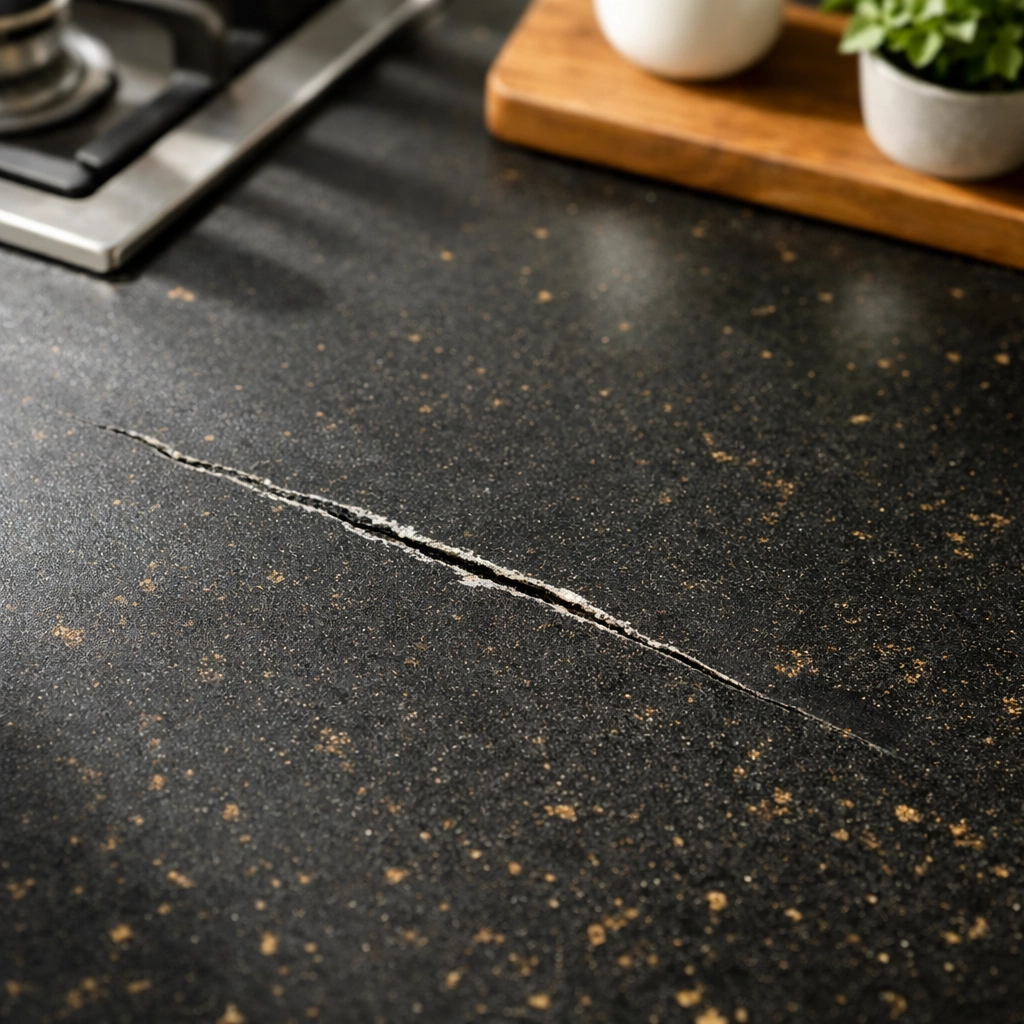
Here's what actually happens when you rush a check-out inspection. You spot damage to the kitchen worktop: a deep scratch that definitely wasn't there at check-in. You photograph it, note it down, and propose a £150 deduction from the deposit.
The tenant disputes it. Claims it was pre-existing damage. The case goes to adjudication.
You submit your check-out photo. The adjudicator asks for your check-in documentation. You provide a photo of the kitchen taken from the doorway during the check-in inspection eighteen months ago. The worktop is visible, but the specific area of damage? Not clearly documented.
The adjudicator rules in the tenant's favour. You lose the £150 deduction. But that's not the real cost. The real cost is the £2,000 you now need to spend replacing the entire worktop before your next tenant moves in, because that scratch has made the surface unseemly for professional letting.
This scenario plays out hundreds of times every single week across London and the South East. The common denominator? Inadequate comparison between check-in and check-out documentation.
Why Comparison is Everything in 2026
Adjudicators don't make decisions based on what probably happened. They make decisions based on evidence. Specifically, they make decisions based on provable change in condition between the start and end of a tenancy.
This means every single deduction you propose requires two things:
Clear evidence of the original condition. Not a vague description. Not a distant photograph. Not a checkbox on a generic template. Crystal-clear documentation showing the specific area in question at check-in, in sufficient detail to establish its condition beyond dispute.
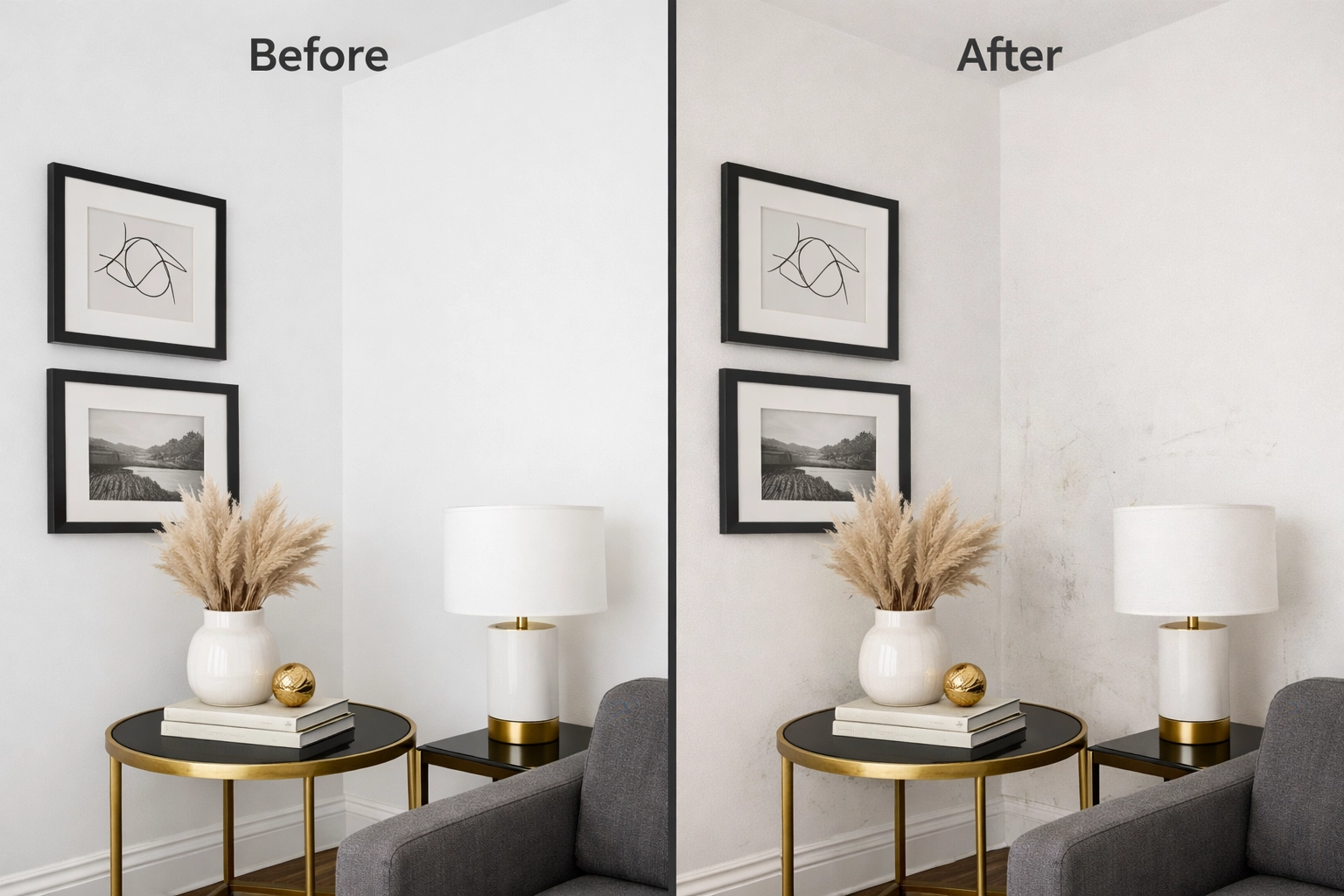
Equally clear evidence of the condition at check-out. Documented in a way that allows direct, irrefutable comparison with the check-in record. Same angle. Same lighting conditions where possible. Same level of detail.
The gap between these two pieces of evidence is where your case stands or falls. If you can demonstrate clear deterioration beyond fair wear and tear, you'll win. If you can't make that comparison crystal clear, you'll lose: regardless of how obvious the damage seems to you in person.
The 2026 Adjudication Landscape
If you think adjudicators are strict now, you've not been paying attention to the direction of travel. Recent case law and updated guidance from the three main deposit protection schemes have consistently tightened evidential standards.
Adjudicators are now explicitly instructed to give tenants the benefit of the doubt where evidence is ambiguous or insufficient. The burden of proof sits squarely with you, the landlord or agent. "I'm sure it wasn't like that when they moved in" doesn't cut it. Never has, really, but certainly doesn't now.
What's changed in 2026? Three things primarily affect check-out inspections:
Higher photographic standards. Adjudicators now routinely reject evidence where photographs lack sufficient detail, context, or comparison value. Phone snapshots taken in poor light with no scale reference? Increasingly worthless in dispute scenarios.
Mandatory condition comparisons for all deductions. You must now demonstrate the direct comparison yourself in your submission. Adjudicators are no longer doing the detective work of matching up vague check-in descriptions with check-out evidence.
Tighter definitions of fair wear and tear. The bar for what constitutes "normal usage deterioration" has risen. Minor scuffs, light marking, and general dulling that might have been deductible five years ago? Now routinely classified as fair wear and tear unless you can prove negligence or abnormal use.
What a Defensible Check-Out Actually Looks Like
A proper check-out inspection isn't quick. It can't be. For a standard two-bedroom property, you're looking at a minimum of ninety minutes to two hours. Here's what that time buys you:
Methodical room-by-room progression. Working through the property in exactly the same order as the check-in inspection, examining every surface, fixture, and fitting documented in the original report.
Direct comparison as you go. Not just noting current condition, but actively cross-referencing against check-in documentation. Where was that mark on the bedroom wall documented? Is it the same size or has it worsened? Has the bathroom grouting deteriorated beyond what's reasonable for eighteen months of use?
Detailed photography with context. Multiple angles of any potential damage. Close-ups showing the extent of wear. Wide shots showing location within the room. Scale references where relevant. Sufficient lighting to capture accurate colour and condition.
Evidence categorisation. Clearly distinguishing between fair wear and tear (no deduction), tenant damage (potential deduction), and pre-existing issues (documented for transparency). Each category affects your deposit deduction strategy differently.
Meter readings and inventory counts. The unglamorous but essential tasks that prevent disputes about utility bills and missing items. Rushed check-outs routinely miss these details, creating hassle weeks later.
The Evidence That Actually Stands Up
Adjudicators see thousands of cases. They can spot weak evidence immediately. Here's what consistently succeeds in dispute scenarios:
Timestamped, high-resolution imagery. Modern inventory software produces images with embedded metadata showing exactly when and where each photograph was taken. This eliminates disputes about whether evidence was captured during the actual inspection.
Condition grading with consistent terminology. Using standardised descriptors throughout both check-in and check-out reports. "Fair," "good," "worn," and "poor" mean nothing if you apply them inconsistently. Professional inventory clerks use defined grading systems that remove subjectivity.
Room-by-room comparison documents. Presenting evidence in a format that makes direct comparison effortless for adjudicators. Side-by-side photographs. "Was/now" descriptions. Clear indicators of change.
Third-party verification. Independent inventory clerks carry significant weight in adjudication. You're obviously invested in the outcome. A tenant might be defensive. A professional clerk has no dog in the fight: just a responsibility to document facts accurately.

Why DIY Check-Outs Are a False Economy
Look, we understand the temptation. Property management is expensive. Every service you can handle in-house saves money on paper. The problem? Check-out inspections aren't actually about the inspection. They're about the evidence you create for potential disputes six weeks later.
When you conduct your own check-out, several problems emerge:
Perceived bias. Adjudicators know you have financial interest in the outcome. Your evidence automatically carries less weight than independent documentation, fair or not.
Inconsistent standards. Unless you're conducting check-outs daily, your inspection rigour varies. Rushed Tuesday afternoon check-outs don't match the thoroughness of leisurely Saturday morning inspections. This inconsistency undermines your credibility across your entire portfolio.
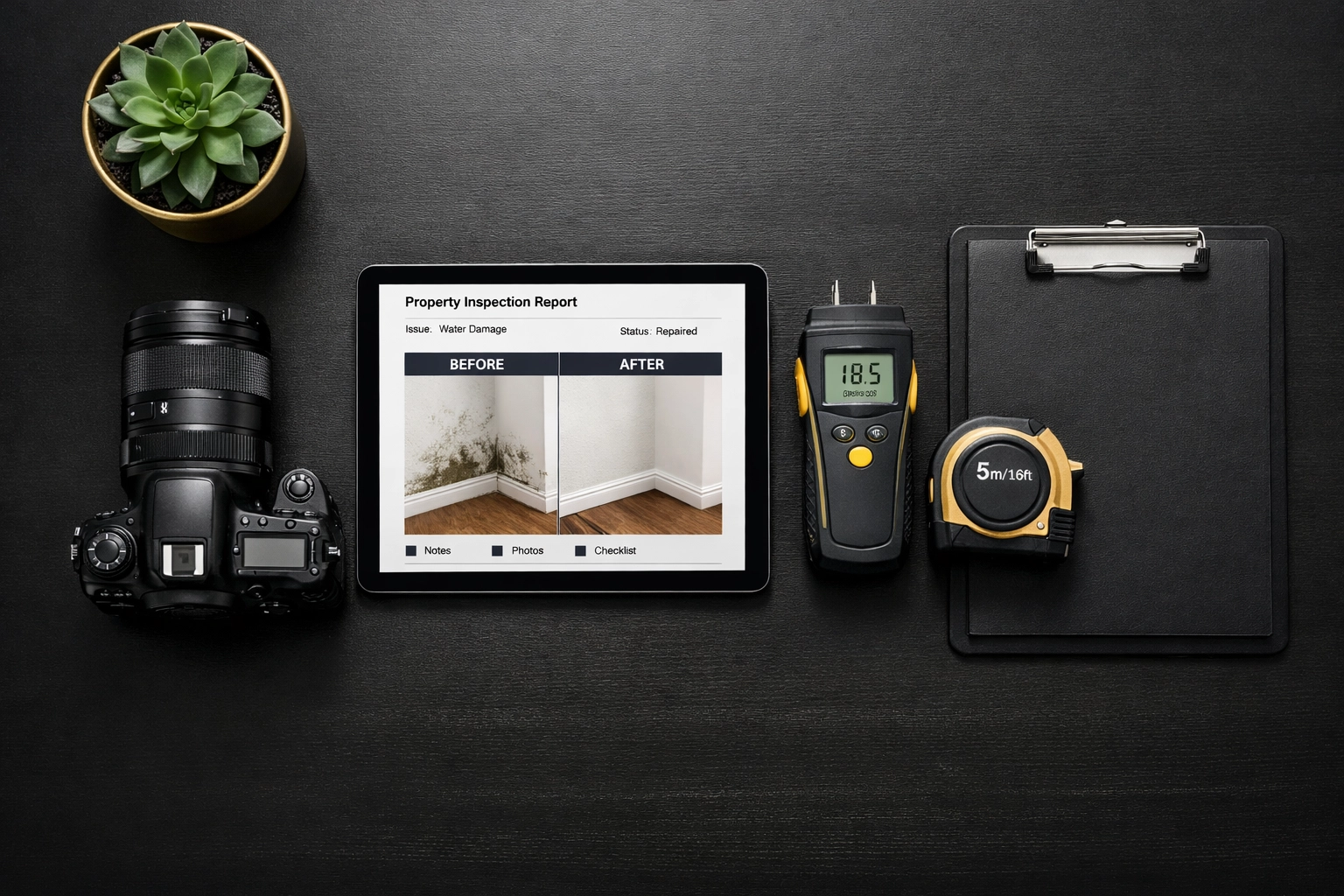
Equipment limitations. Professional inventory clerks use calibrated cameras, lighting equipment, moisture meters, and specialist software. Your iPhone does some of this well. Not all of it. The evidence quality difference becomes obvious when cases reach adjudication.
Time compression. You're managing multiple properties, coordinating contractors, handling tenant enquiries, and arranging viewings. Check-out inspections squeeze into available gaps. They get fifteen minutes when they need ninety. The documentation suffers. Your deposit protection suffers.
The Evestaff Difference in Check-Out Inspections
Since 2012, we've conducted thousands of check-out inspections across London and Kent. We've learned what evidence survives adjudication and what doesn't. More importantly, we've refined our methodology to create documentation that stands up under scrutiny.
Our check-out process builds in direct comparison from the start. We don't just document current condition: we actively cross-reference every element against the original check-in report. Where condition has changed, we capture that change in detail. Where fair wear and tear explains deterioration, we say so explicitly. Where tenant damage has occurred, we provide the evidence you need to support reasonable deductions.
We use professional-grade equipment and inventory software that meets current adjudication standards. Timestamped photographs. Consistent condition grading. Comprehensive coverage of every documented element. The kind of meticulous documentation that gives adjudicators confidence in our findings.
Most importantly? We're independent. When we document condition at check-out, we're not working towards a particular outcome. We're recording facts. That independence carries weight when cases reach dispute resolution.
The Real Cost of Getting It Wrong
Let's be clear about what's at stake when you rush a check-out inspection. It's not just the individual disputed deduction. It's:
Lost deposit deductions across your portfolio. Once you've lost a few cases due to weak evidence, you become hesitant to claim legitimate deductions. Better to avoid the hassle than face another adjudication loss. That caution costs you thousands annually.
Damaged relationships with tenants. Tenants talk. Online reviews matter. Proposing deductions you can't prove damages your reputation. Future tenants choose agents and landlords based on how fairly previous tenants were treated.
Reduced property standards. When you can't successfully claim for damage, properties deteriorate faster. Each new tenancy inherits problems from the last one. Your competitive position weakens as your portfolio condition declines relative to better-managed properties.
Time wasted in disputes. Every contested deduction requires hours of evidence gathering, report writing, and adjudication management. Time you could spend on productive property management activities.
Compliance risk. As regulatory scrutiny increases, the quality of your property documentation becomes increasingly important. Poor check-out records create vulnerability when councils or ombudsmen investigate tenant complaints.
Making the Right Choice
You've got a choice when each tenancy ends. Rush through a quick check-out and hope nothing gets disputed. Or invest in proper documentation that protects your interests when disputes arise.
The first option looks cheaper. Fifteen minutes of your time versus £90-150 for professional inventory services. But that cost comparison ignores the hidden expenses of weak evidence. The lost deductions. The reduced property standards. The wasted time managing disputes you can't win.
Professional check-out inspections aren't an expense. They're insurance. Insurance that pays out when you need to defend legitimate deposit deductions. Insurance that maintains property standards across your portfolio. Insurance that saves your time for actual property management rather than hopeless dispute resolution.
The choice seems obvious when you frame it that way. Yet hundreds of landlords and letting agents still convince themselves they can handle check-outs adequately in-house. Right up until the moment they lose their third adjudication in a row and realise weak evidence is costing them thousands.
Don't be that landlord. Don't be that agent.
Get the check-out right. Get the comparison right. Get evidence that actually stands up when you need it.
Your future self: the one not writing cheques for damage you can't prove: will thank you.
Need check-out inspections backed by evidence that stands up in adjudication? Get in touch with Evestaff to discuss how our professional inventory services protect your deposit deductions across London and Kent.
Join The Discussion