

You know the drill. The tenancy ends, you inspect the property, and there's a glaringly obvious stain on the carpet that wasn't there before. You raise it with the tenant, and suddenly you're hearing the magic phrase: "That's just fair wear and tear."
It's the ultimate get-out clause tenants use to avoid deposit deductions: and if you don't have bulletproof evidence to counter it, you're fighting a losing battle. The good news? High-definition photographic evidence, paired with meticulous documentation, transforms these disputes from subjective arguments into objective facts.
Let's break down exactly how to use HD evidence to protect your property asset and stop the wear-and-tear argument dead in its tracks.
The Fair Wear and Tear Grey Zone
Fair wear and tear refers to the natural deterioration of a property through ordinary, everyday use over time. Think faded paint from sunlight exposure, minor scuffs on skirting boards, or carpet compression in high-traffic areas. These are expected consequences of someone actually living in your property.
Damage, on the other hand, results from negligence, accidents, or intentional actions. Large holes in walls, red wine stains on cream carpets, or broken appliances that were working perfectly at move-in: these fall squarely outside the realm of fair wear and tear.
The problem? The line between the two can feel frustratingly blurred. What one person considers normal use, another views as preventable damage. Without objective evidence, you're stuck in a he-said-she-said scenario that deposit protection schemes struggle to resolve in your favour.
Why HD Photography Changes Everything
Standard mobile phone snapshots taken in poor lighting with no attention to detail won't cut it when you're defending a deposit deduction. High-definition photography provides forensic-level clarity that removes subjectivity from the equation.
HD images capture fine details that standard photos miss: micro-scratches on worktops, texture differences in carpet fibres, subtle discolouration on walls, and the exact extent of wear patterns. When a dispute lands on an adjudicator's desk, they're comparing your check-in photos against your check-out photos. If both sets are crystal-clear, dated, and comprehensive, the evidence speaks for itself.
At Evestaff, we use professional-grade equipment specifically calibrated for property documentation. Our clerks are trained to photograph from consistent angles, with optimal lighting, ensuring every image provides an accurate, court-admissible record of property condition. This level of precision isn't about perfectionism for its own sake: it's about creating evidence that withstands scrutiny.
Building Your Check-In Defence: The Foundation
Your strongest protection against fair wear and tear arguments starts on day one of the tenancy. The check-in inventory establishes the baseline condition of your property, and every detail matters.
Photograph everything systematically. Move through each room in a logical sequence, capturing wide shots for context, then medium shots of specific areas, and finally close-ups of any existing marks, damage, or wear. Don't skip the mundane: photograph light switches, door handles, radiators, and window locks. These seemingly minor items often become dispute flashpoints.
Date and embed your images directly into the signed inventory report. Digital timestamps can be questioned; images embedded in a document signed by both parties carry significantly more weight. This creates an irrefutable record that both you and the tenant acknowledged the property's condition on a specific date.
Write detailed descriptions alongside each photograph. "Living room carpet: light beige, new condition, no stains or marks visible" provides far more protection than "carpet in living room." Adjectives matter. Be specific about colours, materials, conditions, and any existing issues. If there's a small scuff mark on the skirting board, document it: "Skirting board beneath window: 3cm scuff mark, paint intact, not through to wood."
Ensure both parties sign the completed inventory. An unsigned inventory holds minimal weight in disputes. The tenant's signature acknowledges they've reviewed the documentation and agree with its accuracy. If they disagree with any points, note their objections directly on the inventory before both parties sign.
The Check-Out Report: Where Evidence Pays Dividends
When the tenancy ends, replicate your check-in methodology with surgical precision. Walk through the property following the exact same route, photographing from the same angles where possible. This consistency makes before-and-after comparisons immediately obvious.
Document every change in condition, no matter how minor it appears. That small chip in the bathroom tile? Photograph it. The new scratch on the kitchen worktop? Document it. You may decide not to pursue deposit deductions for minor issues, but having the evidence gives you options. Without it, you have none.
Pay particular attention to high-dispute areas: carpets, walls, kitchens, and bathrooms. These zones attract the most wear-and-tear claims. Photograph stains, marks, chips, cracks, and wear patterns comprehensively. If you're claiming for carpet cleaning, photograph the soiled areas from multiple angles, capturing the extent and location of staining.
Compare directly against your check-in evidence as you conduct the check-out. If your check-in photos show pristine white walls and your check-out photos reveal scuff marks and blu-tack holes, the contrast provides compelling evidence of tenant-caused damage rather than fair wear and tear.
Understanding the Burden of Proof Advantage
Here's the critical point many landlords miss: in deposit disputes, you carry the burden of proof. You must demonstrate that specific damage was caused by the tenant and falls outside the scope of normal wear and tear. Tenants don't need to prove their innocence; you need to prove their responsibility.
HD evidence shifts this burden in your favour by removing ambiguity. When you present dated, detailed photographs showing the property's condition at both check-in and check-out, you're providing objective proof of change. The adjudicator can see precisely what's different, when it changed, and whether that change falls within acceptable wear parameters.
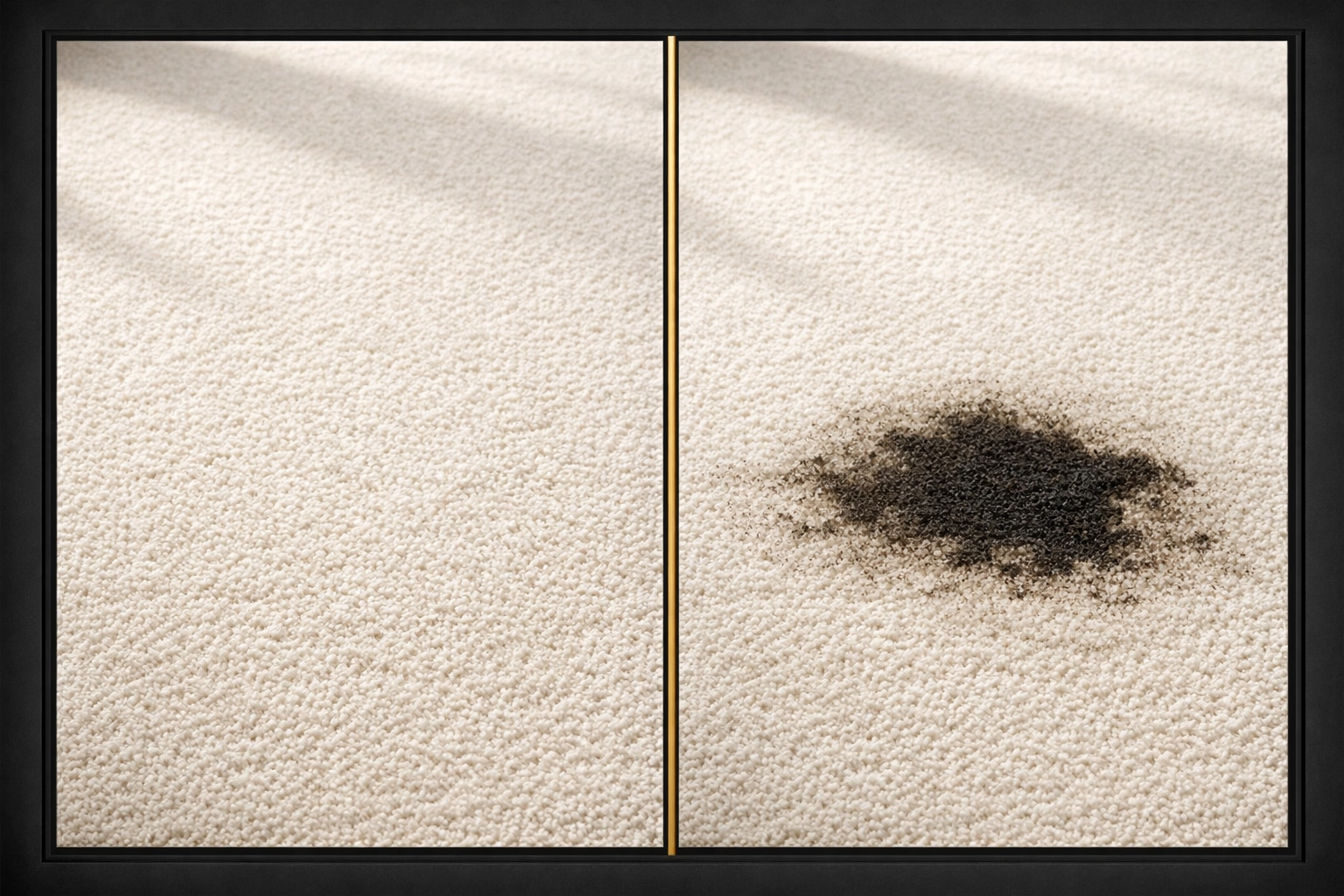
Consider a carpet dispute. Your check-in photos show a pristine beige carpet with no marks. Your check-out photos reveal a prominent red stain. The tenant claims it's fair wear and tear. Your HD evidence proves otherwise: carpets don't naturally develop bright red stains through normal foot traffic. The deposit deduction stands.
Without that photographic evidence? You're relying on descriptions, memories, and goodwill. Adjudicators err on the side of tenants in these scenarios, and your legitimate claim fails.

Common Documentation Mistakes That Undermine Your Evidence
Even landlords who attempt thorough documentation often make critical mistakes that weaken their position. Avoid these pitfalls:
Inconsistent photography between check-in and check-out. If your check-in photos are brightly lit and comprehensive but your check-out photos are dim and rushed, adjudicators question the reliability of both sets. Maintain the same quality standards throughout.
Failing to photograph existing damage at check-in. If you don't document that the bathroom tile was already chipped, you can't prove the tenant didn't cause it. Document every flaw, no matter how minor, to protect yourself from being blamed for pre-existing issues.
Generic descriptions that lack specificity. "Some marks on walls" doesn't cut it. "Two 5cm scuff marks at knee height beside front door, paint intact, no deep scratches" provides the detail needed to distinguish between existing and new damage.
Not dating your evidence properly. Undated photos can be challenged as potentially taken at any time. Ensure your images contain metadata and are embedded in dated, signed documents that establish a clear timeline.
Skipping the mid-tenancy inspection. For longer tenancies, periodic inspections provide additional evidence points. They demonstrate the property's condition at intervals throughout the tenancy, making it harder for tenants to claim that extensive damage represents gradual wear over time.
The Professional Advantage
Professional property inventory services exist precisely because DIY documentation, however well-intentioned, often falls short when disputes arise. At Evestaff, our clerks bring over a decade of experience documenting properties across London and Kent. We understand exactly what evidence holds up in disputes because we've seen thousands of them resolved.
Our technology-enhanced approach combines professional-grade photography with standardised reporting formats that adjudicators recognise and trust. We photograph properties with forensic attention to detail, ensuring nothing is missed and everything is documented to a standard that withstands legal scrutiny.
More importantly, we're independent third parties. When we document a property's condition, we have no vested interest in the outcome. This independence carries significant weight with deposit protection schemes and adjudicators. Our reports are viewed as objective evidence rather than potentially biased landlord documentation.
The Bottom Line
Fair wear and tear arguments will always exist: it's an inherent part of the rental market. But you don't need to lose deposit disputes because of vague claims and missing evidence. HD photographic documentation, paired with detailed written descriptions and professional reporting standards, transforms these subjective arguments into objective, evidence-based assessments.
Every pound you invest in proper inventory services at the start of a tenancy saves multiples of that amount in prevented deposit disputes, reduced property damage, and eliminated legal costs. The question isn't whether you can afford professional documentation: it's whether you can afford not to have it.
Stop arguing about fair wear and tear. Start documenting with evidence that speaks for itself. Your property asset deserves that level of protection.
Want to see how proper inventory documentation protects your investment? Visit our services page to learn more about our meticulous approach to property inventory reporting across London and Kent.
Join The Discussion