
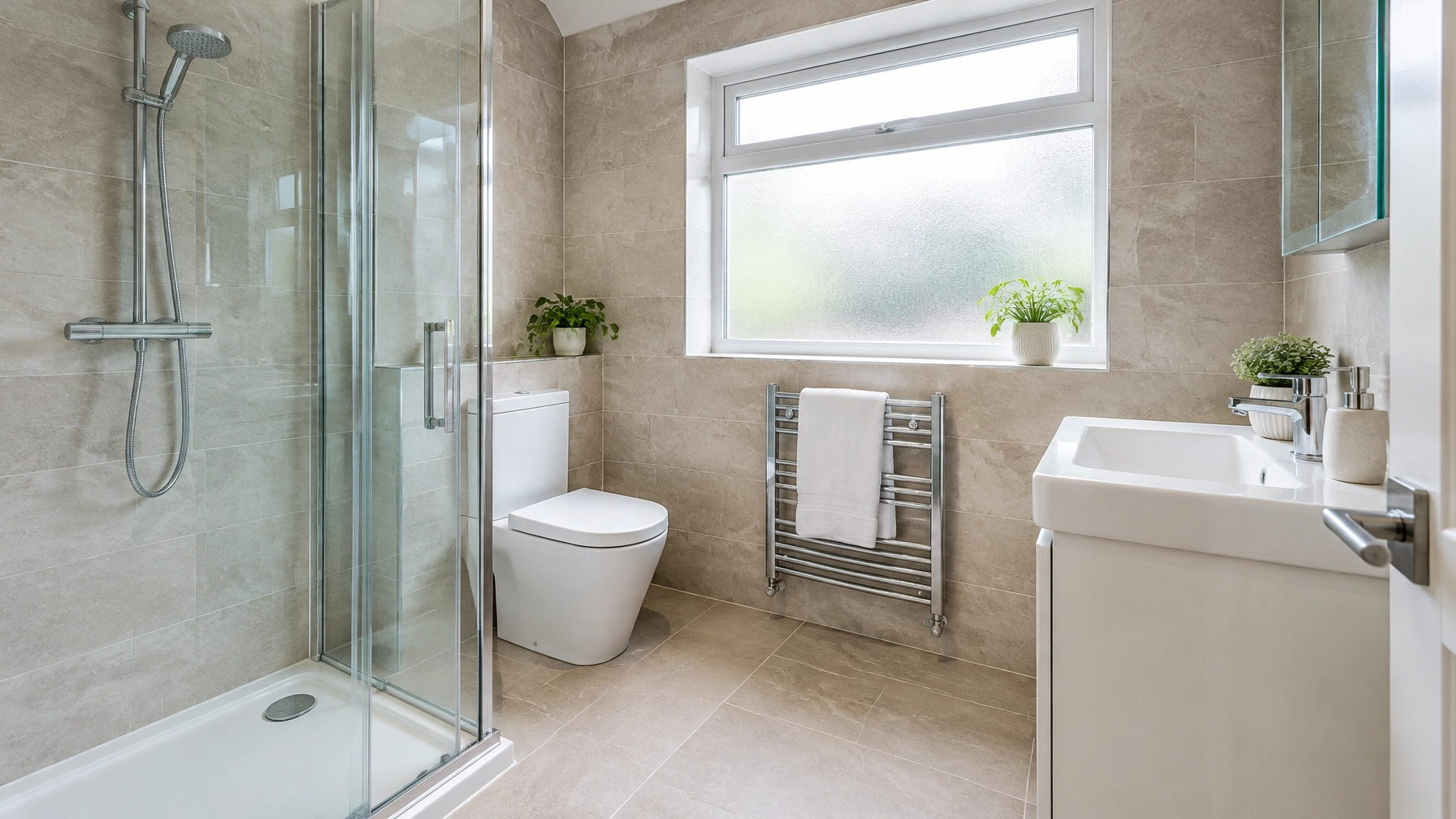
A vacant property can look perfectly fine while its water sits unused behind the scenes. That matters because stagnant water, lukewarm temperatures and little-used outlets can create conditions in which Legionella bacteria may grow.
If you are a landlord, you must assess and manage the risk of exposure to Legionella in the water systems of the property you let. A void period does not put that responsibility on pause. It does, however, give you a useful moment to check the outlets people tend to forget, and make sure someone has a clear plan for them.
Why an empty property is a water-management issue
When a tenant moves out, water may stop moving through parts of the system for days or weeks. A spare shower might not run at all. A guest bathroom tap may be opened only for inspections. Even a property with regular visits can have outlets that remain untouched between those visits.
Legionella risk is associated with water sitting at temperatures where bacteria can multiply, generally around 20–45°C, particularly when biofilm, scale or sediment is present. Showers and other spray-producing outlets deserve attention because people can inhale contaminated droplets.
The practical aim is to keep hot water hot, cold water cold and water moving through the system. The details depend on the property’s plumbing and risk assessment, so do not treat one routine as a substitute for understanding the system.
Find the outlets that are easy to overlook
Start by walking through the property and listing every outlet, not just the kitchen sink and main bathroom. Look for:
- A guest bathroom or spare shower that rarely gets used.
- Taps at the end of a long pipe run.
- An outside tap or garden hose connection.
- A washing machine point where the appliance has been disconnected.
- Redundant pipework left behind after plumbing or refurbishment work.
- Any outlets in rooms that stay closed during the void.
Redundant pipework, often called a dead leg, can hold water without regular turnover. Identify it and, where practicable, have it removed. HSE guidance says dead legs should be avoided or kept very short, no more than twice the pipe diameter. If you are unsure whether a capped pipe is still connected to the system, ask a competent plumber to check.
A tidy room is not proof that its water has been managed. Make the outlet list part of your void checklist.

Set up a weekly flushing routine for short voids
For infrequently used outlets and vacant properties, HSE guidance recommends regular flushing, generally at least weekly. Its technical guidance describes flushing for several minutes; UK government water-hygiene guidance also advises running little-used showers and outlets for at least five minutes. Follow the property-specific risk assessment and any advice from a competent water-hygiene professional.
A simple routine can help your agent, property manager or contractor complete the task consistently:
- Use an outlet list. Include every tap and shower, including the ones that are easy to miss.
- Run outlets individually. Open taps slowly and at a low flow rate to reduce splashing and aerosol formation.
- Allow sufficient time. Run each outlet for the duration set out in the risk assessment; five minutes is a practical reference point in the government water-hygiene guidance.
- Pay particular attention to showers. Keep your face away from the spray, avoid breathing in mist and direct water towards the drain where possible. Do not stand in the spray while flushing.
- Record the visit. Note the date, outlets flushed, any access issues and any problems that need follow-up.
Do not assume that running the kitchen tap has turned over the water in a spare bathroom. The routine is only useful if it reaches the outlets that have been sitting idle.
For a long void, consider a planned drain-down
If the property will remain empty for an extended period, draining the system may be an alternative to weekly flushing. This should be a deliberate decision based on the system and its risk assessment, not simply a matter of turning off the stopcock and hoping for the best.
Draining is not automatically a complete answer. Residual water can remain in parts of a system, and some systems may need particular steps before they are safely returned to service. Get competent advice on whether drain-down is appropriate, how it should be done and what needs to happen before the property is occupied again.
Also check any relevant insurance conditions before changing the water or heating arrangements. A water-hygiene plan and an insurer’s requirements may need to be coordinated.

Before check-in, flush the whole system
The return to occupation is the other important part of the process. Before a new tenant moves in, flush every outlet so that water in the system has been turned over, including guest bathrooms, spare showers and other outlets that were not used during the void.
Follow the risk assessment’s instructions, use a safe low-flow approach and take care around shower spray. If the system was drained down, arrange the appropriate recommissioning steps before occupation. Make sure any controls that were changed are restored as required and that hot-water arrangements are operating as intended.
Record this pre-tenancy flush alongside your check-in preparation. It gives you a useful account of what was done and when, rather than relying on someone’s memory after the keys have changed hands.
Put water hygiene into your compliance calendar
A landlord’s Legionella risk assessment should reflect the water system and how the property is used. Review it when something changes, for example, after plumbing alterations, bathroom works, a change in occupancy or a prolonged void. There is no single calendar date that suits every property; what matters is responding to relevant changes and following the controls identified for that system.
A measured vacant-property inspection can provide a practical point to check the wider condition of an empty home and confirm who is responsible for its water-hygiene routine. It is not itself a Legionella risk assessment, and it does not replace flushing or specialist advice. Consider pairing the void visit with a scheduled water-hygiene check, then make sure each task has a named person and a completion date.
For a broader look at managing empty homes, see our guide to vacant property inspections in Kent. You can also read more about Legionella risk assessments for landlords.
Keep a simple void water-hygiene log
A short record is easier to maintain than a mystery trail of calendar reminders and half-remembered visits. Keep a log with:
- Property address and visit date.
- Name of the person who completed the task.
- Outlets flushed, including showers and little-used taps.
- Duration or method used, in line with the property’s risk assessment.
- Any outlet that could not be accessed or operated.
- Issues found and the person responsible for follow-up.
- Confirmation of the pre-tenancy flush before check-in.
Store the log with your property maintenance records and assessment. If a managing agent or contractor carries out the flushing, agree how and when they will report completion. Clear ownership keeps a small routine from becoming a last-minute scramble.

A careful routine is better than a forgotten shower
For a short void, build weekly flushing into the property’s maintenance schedule and record it. For a longer period, get advice on whether a planned drain-down is suitable. Before re-letting, make sure every outlet is flushed and the work is documented.
Evestaff Property Inventory Clerks has supported property professionals across London and Kent since 2012, bringing 12+ years of experience to meticulous, precision-focused property documentation. Our highly experienced clerks use modern technology to produce clear records, and Evestaff is an accredited member of ECMK. It is the careful, detail-first approach we call The Perfectionist, because the little details are usually the ones worth checking.
If you are arranging your first booking, new customers receive 10% off their first booking. And if another landlord or property professional could use our help, feel free to pass along our Refer a Friend offer. For more about Evestaff, visit propertyinventoryclerks.co.uk.
Join The Discussion