

You've built a solid portfolio. Maybe you started with one or two properties, learned the ropes, and now you're looking at property number ten: or twenty. But here's what nobody tells you about scaling: every additional property doesn't just multiply your income potential. It multiplies your risk exposure exponentially.
The moment you move from "hobby landlord" to serious portfolio operator, the stakes change entirely. One dodgy inventory report can cost you thousands. Multiply that across ten properties, and you're looking at potential losses that could wipe out a year's rental income. This is where professional inventory clerks become not just helpful, but absolutely essential to your scaling strategy.
The Hidden Cost of DIY Inventory at Scale
When you had three properties, doing your own check-in reports felt manageable. You'd grab your phone, snap some photos, scribble notes on a template you found online, and call it done. But now you're managing fifteen properties with different turnover schedules, and suddenly that approach isn't just time-consuming: it's legally dangerous.
Here's the uncomfortable truth: amateur inventory reports rarely stand up in deposit disputes. Adjudicators at tenancy deposit schemes see hundreds of cases monthly, and they can spot a DIY job instantly. Blurry photos, inconsistent terminology, missing condition details: these aren't minor oversights. They're the difference between winning and losing a £2,000 deposit claim.

Consider what happens when you're juggling multiple property turnovers in the same week. You rush through a check-in because you've got another viewing across town in an hour. You forget to document the scuff mark behind the bedroom door. Six months later, that oversight becomes a dispute you can't win. Now multiply this scenario across your entire portfolio. The financial exposure isn't theoretical: it's inevitable.
Why Portfolio Growth Demands Professional Standards
Professional inventory clerks from established firms like Evestaff Property Inventory Clerks bring something you can't replicate on your own: systematic consistency. Every property gets the same meticulous treatment, regardless of which clerk conducts the inspection. This standardisation becomes your shield in disputes and your efficiency multiplier as you scale.
Think about the compliance landscape in 2026. We're operating under stricter regulations than ever before, with the Renters' Rights Bill fundamentally reshaping tenancy law. Letting agents and landlords face increased scrutiny around deposit protection, property conditions, and tenant rights. Your inventory documentation isn't just paperwork anymore: it's your legal defence system.
Professional clerks understand exactly what evidence adjudicators require. They know that documenting the condition of window seals matters. They understand why photographing smoke alarm positioning is crucial. They capture the details that amateur reports consistently miss: details that become critical when you're defending a deposit deduction worth thousands.
The Time Mathematics of Scaling
Let's do some basic maths. A thorough inventory check-in for a two-bedroom property takes approximately three to four hours when done properly. This includes detailed photography, condition descriptions, meter readings, safety checks, and report compilation. If you're turning over six properties in a month, that's twenty-four hours of your time: three full working days.
Now consider your hourly value as a portfolio landlord. Should you spend those three days photographing radiators and documenting carpet wear? Or should you spend them sourcing your next acquisition, negotiating with mortgage brokers, and analysing investment opportunities? The opportunity cost becomes staggering as your portfolio grows.
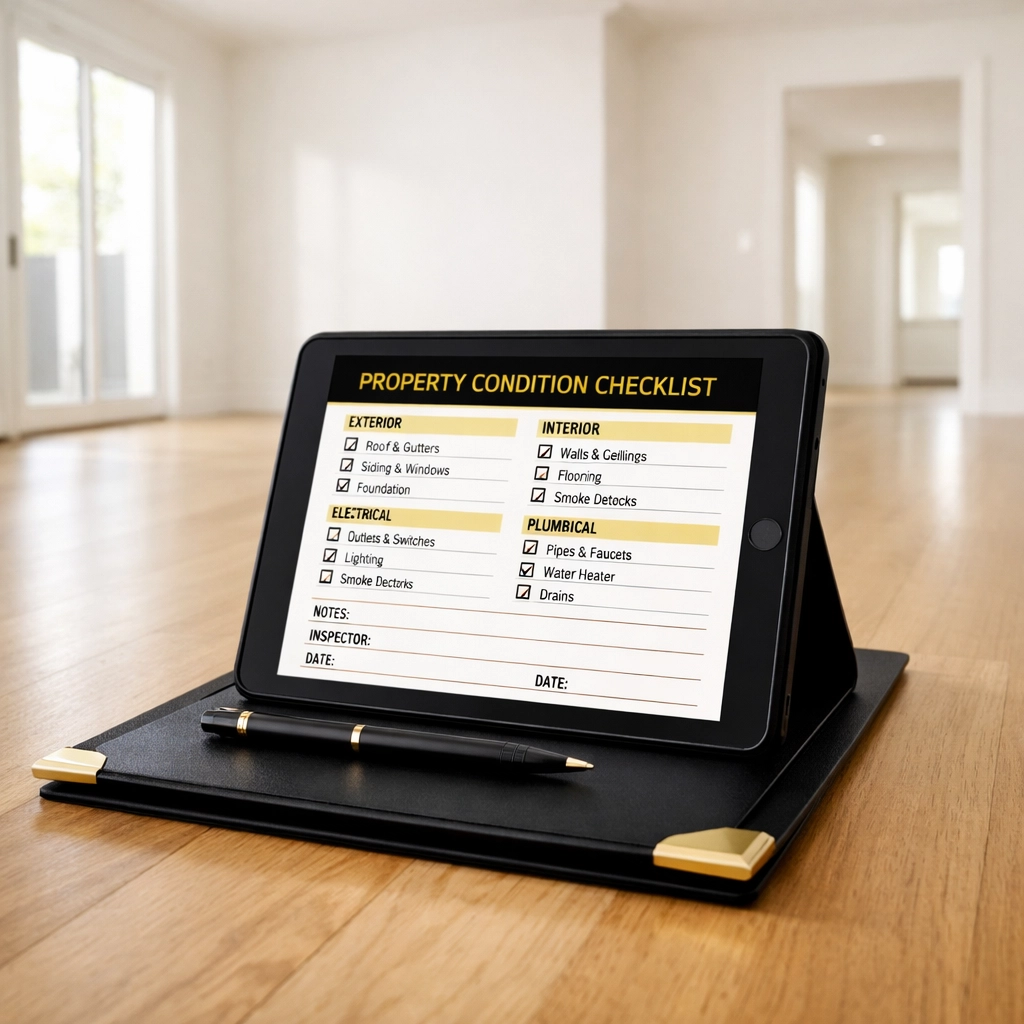
Professional inventory services free you to focus on what actually grows your wealth: property acquisition and strategic portfolio management. You're not paying for someone to take photos: you're paying for your own time back. Time you can invest in activities that generate actual returns rather than simply protecting existing assets.
Risk Concentration in Growing Portfolios
Here's what keeps experienced portfolio landlords awake at night: risk concentration. When you operate fifteen properties, the statistical probability of facing a deposit dispute increases dramatically. If there's a 10% chance of a dispute per tenancy, and you're managing twenty units with annual turnovers, you're looking at two disputes per year. Without proper documentation, each dispute becomes a coin flip you can't afford to lose.
Professional inventory clerks reduce this risk through several mechanisms. First, their reports have evidential weight that amateur documentation simply lacks. Adjudicators recognise reports from established firms and give them appropriate credibility. Second, the mere presence of a thorough professional report often prevents disputes from escalating. Tenants and their representatives know that challenging well-documented evidence is an uphill battle.
Third: and this is crucial for portfolio landlords: professional reports create consistent baselines across your entire property estate. When disputes arise, you can demonstrate that all your properties follow the same rigorous documentation standards. This consistency protects you from accusations of selective enforcement or discriminatory practices.
The Technology Advantage You Can't Build Yourself
Modern inventory services leverage technology that individual landlords simply cannot replicate cost-effectively. Professional clerks use specialised software that ensures nothing gets overlooked, with standardised checklists covering hundreds of inspection points. Digital reports include GPS-tagged photographs with timestamps, creating audit trails that manual processes can't match.
Consider the implications for portfolio management. Professional inventory data integrates with property management systems, creating searchable databases of property conditions. Need to know which properties require carpet replacement in the next twelve months? The data's already there. Want to identify which properties consistently attract higher-quality tenants based on check-out condition reports? The analytics are at your fingertips.

This isn't about fancy gadgets: it's about operational intelligence. As your portfolio grows, data becomes your competitive advantage. Professional inventory services generate this data automatically, while DIY approaches leave you flying blind.
The Compliance Shield for 2026 and Beyond
The regulatory environment for landlords isn't getting simpler. Electrical safety certificates, gas safety checks, EPCs, smoke and carbon monoxide alarms, Right to Rent checks: the compliance burden grows heavier each year. Professional inventory clerks don't just document property conditions; they verify that essential compliance elements are in place and functioning.
During a check-in, professional clerks confirm that smoke alarms are positioned correctly and operational. They verify carbon monoxide detectors in required locations. They note the presence and condition of safety documentation. This compliance verification gets baked into your inventory report, creating evidence that you met your legal obligations from day one of each tenancy.
For portfolio landlords, this compliance documentation becomes invaluable. When local authorities conduct spot checks or when solicitors request evidence during property sales, you need comprehensive records. Professional inventory reports provide this documentation automatically, protecting you from regulatory penalties that could reach thousands of pounds per property.
Cost-Benefit Analysis for Portfolio Operators
Let's address the elephant in the room: professional inventory services cost money. For a two-bedroom property in London and Kent, you're looking at approximately £100-150 per inventory report. Across a fifteen-property portfolio, that's a meaningful annual expense.
But compare this cost against the alternatives. A single lost deposit dispute costs an average of £1,500 in unrecovered damages, plus your time dealing with the adjudication process. If professional inventory reports prevent just one dispute per year across your portfolio, they've paid for themselves several times over.
Consider also the time value we discussed earlier. Those three days per month you're not spending on inventories translate to roughly forty working days per year. What's the value of forty days of your focused attention on portfolio growth? For most serious landlords, it's measured in tens of thousands of pounds of additional returns.
Choosing Quality Over Convenience
Not all inventory services offer the same value. When you're building a serious property portfolio, you need partners who understand professional standards: not just someone with a camera and a template. Established firms with proven track records provide the reliability that scaling demands.
Evestaff Property Inventory Clerks has operated since 2012, developing systems and standards refined through thousands of inspections. This experience translates directly into reports that protect your interests when disputes arise. The difference between an adequate inventory and an exceptional one becomes clear the moment you face an adjudication.
Look for inventory services that employ qualified, experienced clerks rather than gig workers with minimal training. Check whether they carry professional indemnity insurance. Verify that their reports comply with AIIC (Association of Independent Inventory Clerks) standards. These details matter enormously when your financial exposure scales with your portfolio.
The Strategic Shift: From Operator to Investor
The ultimate benefit of professional inventory services isn't financial: it's strategic. They enable you to make the psychological shift from property operator to property investor. Instead of being trapped in operational details, you can focus on the big picture: market analysis, financing strategies, and portfolio optimisation.
This shift is what separates landlords who get stuck at five properties from those who scale to fifty. Professional services: whether inventory clerks, letting agents, or property managers: remove operational bottlenecks that would otherwise constrain growth. You're not outsourcing because you can't do the work yourself. You're outsourcing because your time generates higher returns elsewhere.

Every hour you spend personally conducting inventories is an hour you're not spending analysing your next acquisition opportunity. Every dispute you handle manually is time away from strategic portfolio planning. Professional inventory clerks don't just reduce risk: they unlock growth potential.
Making the Transition
If you're currently handling inventories yourself, the transition to professional services requires minimal disruption. Start with your next property turnover rather than trying to overhaul everything simultaneously. Experience the difference firsthand with a single property before committing across your portfolio.
Many portfolio landlords initially resist this transition, believing they can maintain personal involvement even as they scale. This works until it doesn't: usually revealed during a crisis when multiple issues converge simultaneously. The smarter approach is to build professional systems before you desperately need them.
Your property portfolio represents substantial capital investment and ongoing income generation. Protecting these assets through professional inventory documentation isn't an expense: it's insurance against risks that inevitably materialise at scale. The question isn't whether you can afford professional inventory services. It's whether you can afford to keep operating without them.
For portfolio landlords serious about scaling in 2026's regulatory environment, professional inventory clerks have shifted from luxury to necessity. They're the operational foundation that enables growth whilst managing risk exposure. And in a landscape where a single documentation failure can cost thousands, that foundation isn't optional( it's essential.)
Join The Discussion