
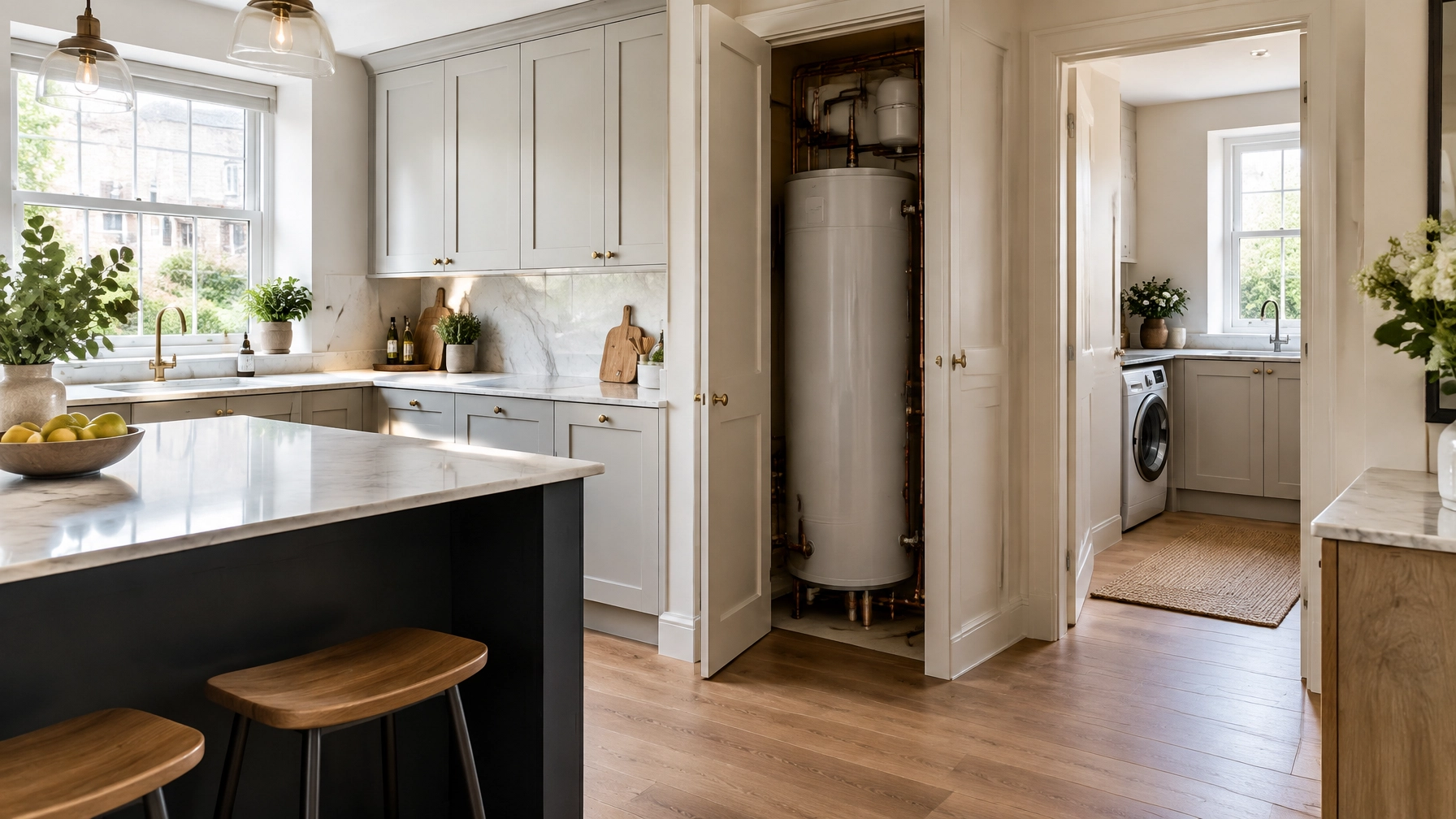
If you are budgeting for a legionella risk assessment cost in 2026, the short answer is this: most standard domestic rental properties fall somewhere between £75 and £200, while HMOs and properties with stored or communal water systems usually cost more.
However, price alone does not tell you whether you are receiving a suitable assessment. A one-page template with a reassuring heading may be cheap, but it can leave important risks unidentified.
Your responsibility is to assess and control legionella risk proportionately. You do not automatically need an annual certificate or routine water testing for every rental property. You do need suitable documentation, sensible control measures and evidence that the system has been considered properly.
Typical Legionella Risk Assessment Costs in 2026
The following figures provide a practical budgeting guide. Prices vary by region, property layout, water system complexity, VAT and whether follow-up advice is included.
| Property type | Typical 2026 assessment cost |
|---|---|
| Standard flat or single-let house with a simple system | £75–£150 |
| Larger domestic property or property with a hot water cylinder | £100–£180 |
| Small HMO with shared facilities | £150–£250 |
| Larger or complex HMO | £200–£350+ |
| Property with communal or particularly complex water systems | £300–£450+ |
A standard flat with a combi boiler and short pipe runs should not usually cost the same as a six-bedroom HMO with several bathrooms, stored water and infrequently used outlets.
Equally, a very low quote deserves closer inspection. If someone offers a “certificate” for £30 without visiting the property or asking meaningful questions about the water system, you are probably buying paperwork rather than risk management.
What should a standard domestic assessment cost?
For a typical single-let house or flat, a fair legionella assessment for landlords is generally around £75 to £200.
The lower end may apply where the property has:
- A combi boiler
- No cold water storage tank
- One bathroom
- Short, regularly used pipework
- Easy access and straightforward parking
London pricing may be higher because of travel, parking and operating costs. Nevertheless, the system itself usually matters more than the postcode.
What should an HMO assessment cost?
A small HMO commonly falls within the £150 to £250 range. Larger HMOs or properties with multiple tanks, cylinders, en-suites and long pipe runs may cost £200 to £350 or more.
The assessor has more outlets and usage patterns to consider. A bedroom en-suite that is rarely used, for example, may present a different risk from a busy communal bathroom.
If the property forms part of a larger building with communal water services, expect a more detailed quotation. A communal system may require coordination with a managing agent, facilities provider or building owner. It should not be benchmarked against the price of a simple single-let inspection.

What a Decent Assessment Should Include
A professional assessment should explain how the property’s water system works and what you need to do about it. It should not simply state that the property is “low risk” without showing how that conclusion was reached.
Look for the following elements.
1. A system survey
The assessor should inspect or establish details of:
- The boiler and hot water arrangements
- Hot water cylinders and cold water tanks
- Taps, showers and other outlets
- Infrequently used rooms or outlets
- Pipework that may create stagnation
- Long runs, dead legs or redundant sections
- Access arrangements and any obvious maintenance concerns
The survey should reflect the actual property. Generic wording copied into every report is a warning sign.
2. A schematic or water-system diagram
A simple schematic helps identify how water moves through the property. It does not need to resemble an engineering drawing, but it should make the key components and routes understandable.
This is particularly valuable in HMOs and properties with stored water. Without a diagram, it is easier to overlook a little-used shower, secondary cylinder or redundant pipe section.
3. A clear risk rating
The report should explain the level of risk and the reasons behind it. It should identify factors such as stored water, lukewarm temperatures, stagnation, vulnerable occupants or difficult-to-access equipment.
A risk rating is useful only when supported by evidence. “Low risk” is not a substitute for an assessment.
4. Practical control measures
Your report should tell you what to do next. Depending on the property, this may include:
- Maintaining suitable hot water temperatures
- Keeping cold water appropriately cool
- Flushing little-used outlets
- Cleaning showerheads and hoses
- Removing redundant pipework
- Restoring regular use after a long void
- Improving access to tanks, cylinders or valves
The recommendations should be realistic for landlords and managing agents to implement.
5. Review dates and change triggers
A suitable report should state when it should be reviewed and what events require an earlier update.
A sensible baseline for many domestic properties is a review approximately every two years, unless the system changes sooner. A new cylinder, conversion to an HMO, additional bathroom or prolonged void period may require earlier action.
Why Cheap One-Page Certificates Can Create False Confidence
The cheapest document is not always the cheapest option.
A one-page template may fail to record the property’s actual water system, identify no specific control measures and provide no useful review date. It may also omit stored water, little-used outlets and the impact of a long vacancy.
That creates false confidence. You may believe the risk has been dealt with because a document exists, while still being unable to show what was inspected or why the recommendations were appropriate.
A proper assessment is not necessarily long or overly technical. For a simple property, it may be concise. It should still be property-specific, understandable and proportionate.
When comparing quotes, ask whether the provider visits the property, documents the system and gives you actions you can follow. Paperwork should support good management, not merely decorate a compliance folder.

Assessment or Water Testing: What Are You Actually Paying For?
A legionella risk assessment and microbiological sampling are different services.
An assessment considers the water system, possible sources of risk and the controls required. Sampling involves taking water samples and sending them for laboratory analysis.
For most ordinary domestic hot and cold water systems, routine legionella sampling is not normally required. You should not automatically pay an additional £50 to £150 per sample simply because testing sounds more thorough.
Sampling may be appropriate where:
- The water system is large or unusually complex
- Temperature control is unreliable
- There has been a previous concern or suspected case
- The property accommodates particularly vulnerable people
- A specialist adviser identifies a specific reason to test
- A communal or commercial system requires a more formal monitoring regime
Ask the provider to explain why sampling is recommended and what decision the result will help you make. Testing without a control plan can produce an expensive laboratory result without solving the underlying problem.
When Is a Self-Assessment Reasonable?
A competent self-assessment may be reasonable for a simple domestic property, particularly where you understand the system and can identify the relevant risks.
This may apply to a straightforward flat or house with:
- A combi boiler
- No stored water
- Regularly used outlets
- No complex pipework
- No vulnerable occupants
- No major changes to the building or plumbing
You must still record your findings and implement sensible controls. “I had a look around” is not a useful management record.
Paying a professional becomes more worthwhile when you manage an HMO, have stored water, operate several properties, face licensing scrutiny or are unsure how the system is configured. Professional input can also provide an independent record for your property manager, insurer or letting agent.
What Pushes the Price Up?
Several practical factors can increase the legionella risk assessment cost:
- Multiple bathrooms or en-suite facilities
- Stored hot water cylinders
- Cold water storage tanks
- Long or difficult-to-trace pipe runs
- Communal water systems
- Dead legs or redundant pipework
- Long void periods
- Poor access to plant or tanks
- Out-of-hours appointments
- Travel distance, parking or restricted access
- The need for a written schematic or follow-up report
A long void matters because stagnant water can remain in outlets and pipework. Before a property is reoccupied, include flushing and recommissioning within your management process where appropriate.
Give the assessor accurate information before booking. It helps you receive a meaningful quote rather than an artificially low starting price that increases later.
How Often Should You Pay for a Review?
There is no universal requirement for an annual legionella certificate for every domestic rental.
A review may be free or relatively inexpensive where the system has not changed and the assessor is simply confirming that existing controls remain appropriate. Some providers include this within a wider service arrangement.
A full re-assessment is more likely to be necessary when:
- A boiler, cylinder or tank is replaced
- Bathrooms or outlets are added
- The property becomes an HMO
- Pipework is altered
- A long void changes the property’s use
- Occupancy or vulnerability changes
- Previous controls have not been followed
- The original report is no longer reliable
Do not renew a document automatically if the underlying system has changed. Review the risk, not just the date on the certificate.
Cost Versus Risk: Is a Professional Assessment Worth It?
The cost of a proportionate assessment is modest when compared with the potential consequences of a serious legionella incident.
Those consequences may include tenant illness, investigation, enforcement action, legal costs, reputational damage and difficult questions about whether you took reasonable precautions. The financial impact can quickly exceed the price of a well-prepared report.
This does not mean you should purchase unnecessary testing or an oversized technical package. It means you should spend enough to understand the property and implement suitable controls.
Good compliance is rarely about buying the most expensive service. It is about being able to demonstrate that you identified the risk and acted sensibly.
What to Ask Before You Book
Use this checklist when comparing quotes for a legionella risk assessment for landlords:
- Is the price inclusive of VAT?
- Does the quote include a physical property visit?
- Will the assessor inspect the hot and cold water systems?
- Will stored water tanks and cylinders be considered?
- Are all bathrooms, showers and little-used outlets covered?
- Is a schematic or water-system diagram included?
- Does the report provide a clear risk rating?
- Are practical control measures listed?
- Is a review date included?
- Will the provider explain when an earlier review is needed?
- Is sampling included, and if so, is it genuinely necessary?
- Are travel, parking and out-of-hours charges clear?
- Does the assessor have appropriate experience and competence?
- Will you receive a property-specific report rather than a template certificate?
A quote that answers these questions clearly is easier to compare and more likely to deliver useful value.
A Meticulous Approach to Property Documentation
Evestaff Property Inventory Clerks, founded in 2012, bring more than 12 years of experience to property documentation across London and Kent. Their approach reflects The Perfectionist: meticulous, precision-focused reporting supported by modern technology and highly experienced clerks.
Evestaff are accredited members of ECMK, reinforcing a professional approach to property services and documentation. If you are reviewing wider compliance records alongside your landlord legionella obligations, you may also find our guidance on safety certifications for landlords useful.
For new customers booking directly, a 10% discount applies to the first booking. You can also take a look at the Refer a Friend offer if another landlord, property manager or letting agent could benefit from a careful, professional service.
The right price is not simply the lowest number on a quotation. It is the amount that gives you a proportionate assessment, clear actions and confidence that your property’s water-system risks have been considered properly.
Join The Discussion