

Social housing providers across England face their most significant compliance shift in years. The 2026 Decent Homes Standard isn't just another regulatory tweak: it's a fundamental reset that puts property condition documentation at the heart of legal compliance. If your reporting systems aren't ready, you're already behind.
The stakes have never been higher. Post-Awaab Ishak, the tolerance for substandard housing conditions has evaporated entirely. Regulators, tenants, and the media are watching. One missed hazard, one inadequately documented repair, one damp patch that spirals into a legal nightmare: that's all it takes to face enforcement action, reputational damage, and potentially criminal liability.
This isn't about ticking boxes. It's about building an evidence trail that protects your organisation whilst genuinely improving tenant safety. Professional property reporting is no longer optional: it's your first line of defence.
What Changed in 2026 and Why It Matters
The updated Decent Homes Standard confirmed in January 2026 tightened requirements across three critical areas. First, all social housing must be free of Category 1 hazards under the Housing Health and Safety Rating System (HHSRS). That means any serious risk to occupant health: damp, mould, excess cold, falls, electrical hazards: must be identified and eliminated.

Second, the standard now assesses components purely on condition, not age. You can no longer justify delaying replacement simply because a boiler or window "hasn't reached end of life." If it's substandard, it needs addressing. Third, enhanced safety requirements now mandate child-resistant window restrictors on all windows presenting fall risks: a direct response to preventable tragedies.
Here's the practical reality: if you can't prove a property meets these standards through robust documentation, you can't demonstrate compliance. Verbal assurances won't cut it. Incomplete check-in reports won't suffice. Grainy mobile phone photos taken three years ago definitely won't hold up under scrutiny.
Social housing providers must now maintain detailed, timestamped, evidenced records of property condition at every stage: void periods, tenancy starts, periodic inspections, repair completions, and tenancy ends. This creates an unbroken chain of accountability that protects both tenants and landlords.
Awaab's Law: The Game-Changer You Cannot Ignore
Awaab's Law fundamentally altered how social housing providers must respond to health hazards, particularly damp and mould. Implemented following the death of two-year-old Awaab Ishak from prolonged exposure to mould in his home, the legislation mandates strict timeframes for investigating and fixing reported hazards.
Social landlords now face legal deadlines: 14 days to investigate hazards like damp and mould after a tenant reports them, and a further 7 days for emergency repairs or 14 days for non-emergency issues to complete the work. Miss these deadlines, and you're in breach of statutory duty.
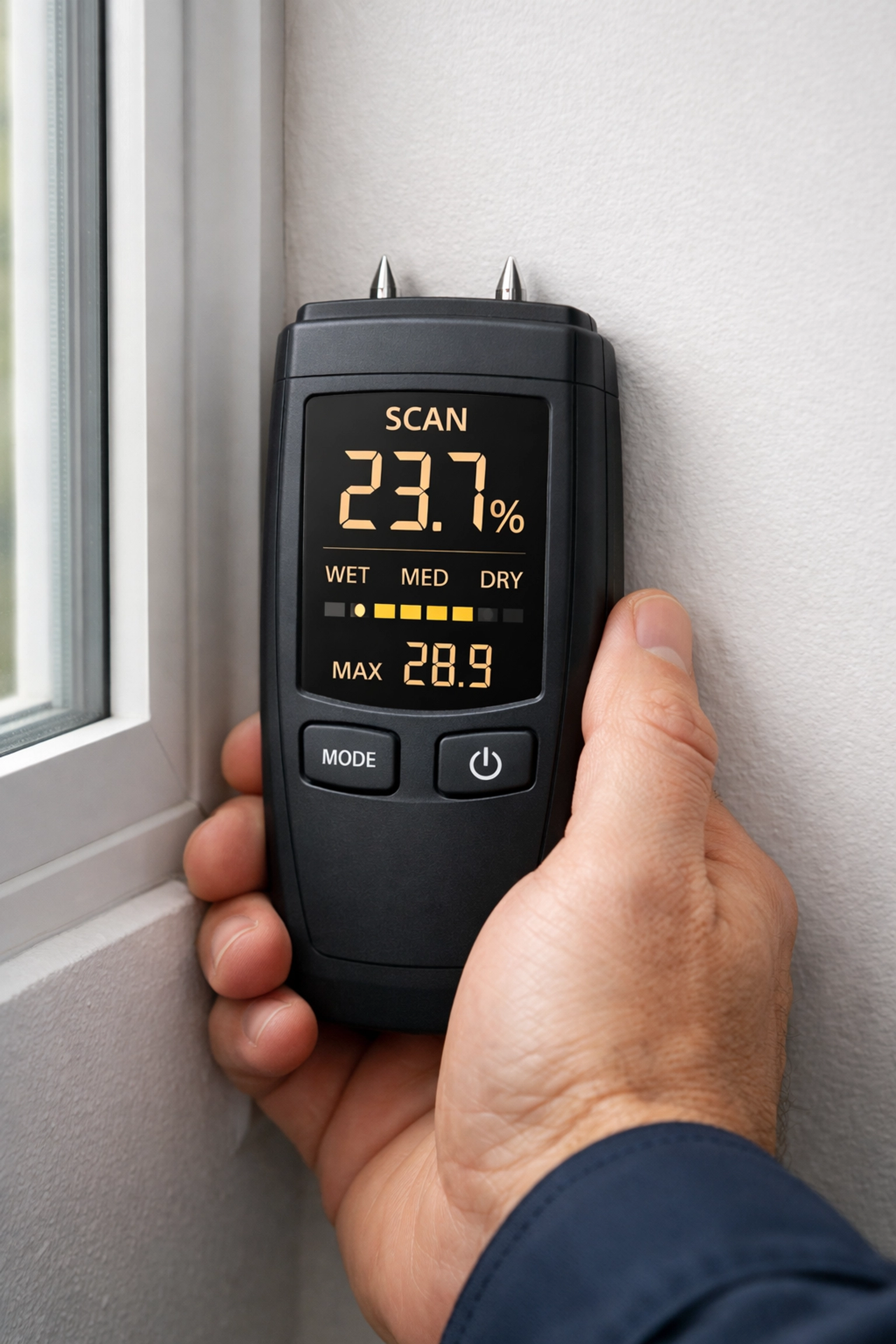
But here's where professional documentation becomes critical. How do you prove you investigated within 14 days? How do you demonstrate the extent of the problem when deciding whether it's an emergency? How do you evidence that repairs actually resolved the underlying cause rather than just covering symptoms?
You need contemporaneous, detailed reporting that captures the exact condition at the point of inspection. Photographs with proper metadata. Written descriptions that identify moisture sources, ventilation issues, and structural defects. Evidence of testing with moisture meters and thermal imaging where appropriate. Reports that stand up to legal challenge.
The alternative is grim. Rochdale Boroughwide Housing faced unlimited fines and criminal conviction after Awaab's death. Other providers have received Regulatory Notices following similar failings. Your reputation, your funding, your legal standing: all hinge on proving you took every reasonable step to identify and address hazards promptly.
Category 1 Hazards: Where Most Providers Fall Down
The HHSRS identifies 29 potential hazards in residential properties, but Category 1 hazards: those posing serious and immediate risk to occupant health: demand immediate action. Damp and mould feature prominently, but excess cold, falls on stairs, electrical hazards, and structural collapse also frequently trigger Category 1 ratings.
Most providers know they need to address these issues. Where they fail is in the identification phase. You can't fix what you haven't found. And you can't prove you looked properly without systematic, professional property inspections.
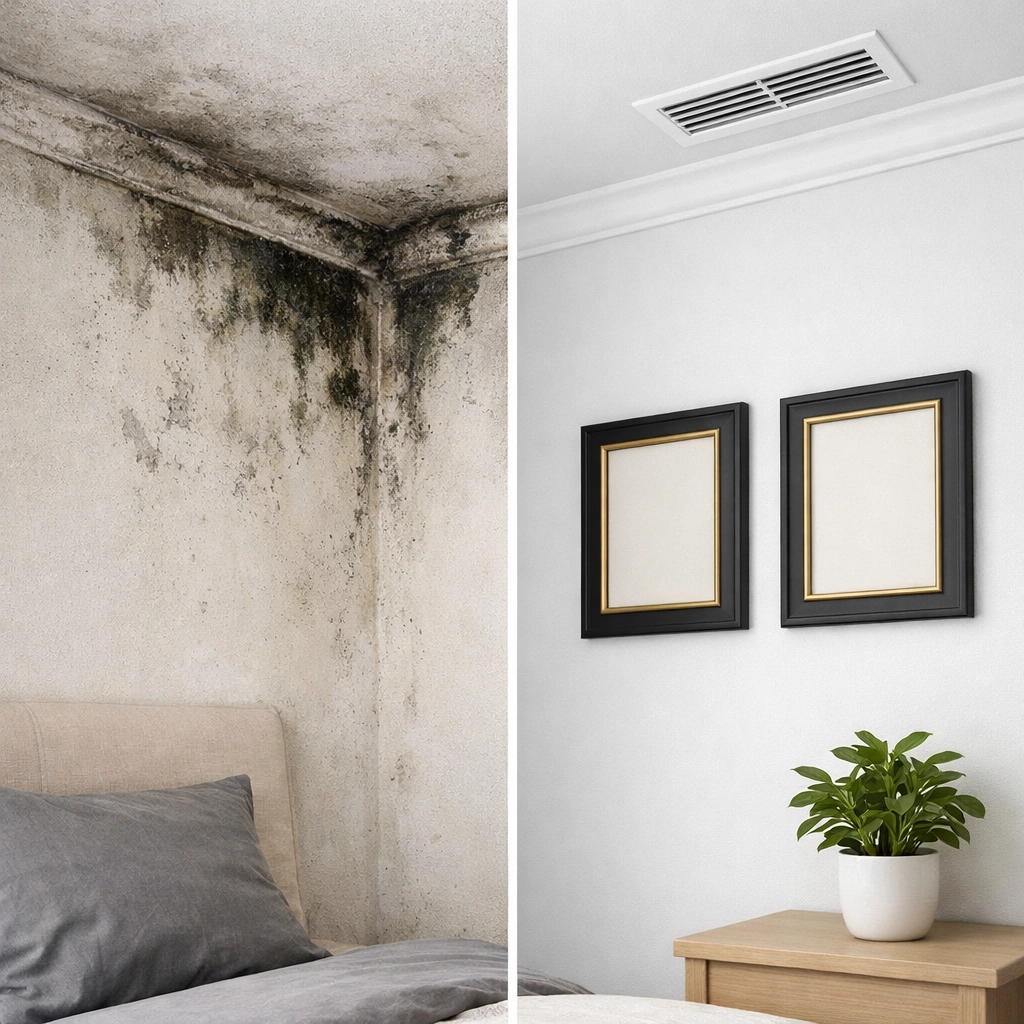
Consider damp. A visual inspection might spot obvious mould patches on walls, but miss the condensation issues caused by inadequate ventilation, or penetrating damp from defective guttering, or rising damp from failed damp-proof courses. Each requires different remedial action. Get the diagnosis wrong, and you'll waste money on ineffective repairs whilst the hazard persists.
Professional inventory clerks trained in property condition assessment bring systematic rigour to this process. They know what to look for, where to look, and how to document findings in legally defensible formats. They identify early warning signs before they escalate into Category 1 hazards. They create baseline records that make deterioration immediately apparent during subsequent inspections.
This level of precision matters enormously when facing regulatory scrutiny. The Housing Ombudsman increasingly expects social landlords to demonstrate they conducted thorough, professional assessments rather than cursory walkthroughs by maintenance staff with competing priorities.
Building Your Evidence Trail: What Professional Reporting Delivers
Effective compliance with the 2026 Decent Homes Standard requires four distinct types of property reporting, each serving specific purposes in your evidence chain.
Void Property Inspections: Before any new tenancy begins, you need a comprehensive baseline report documenting property condition. This establishes the starting point against which all future changes will be measured. It identifies existing hazards requiring remediation before letting. It protects you from unfounded claims that damage or defects arose during the tenancy. And it demonstrates to regulators that you didn't knowingly let substandard accommodation.
Check-In Reports: When tenants move in, you need contemporaneous documentation proving the property met Decent Homes Standard at occupancy commencement. This report should evidence the absence of Category 1 hazards, confirm all required facilities function properly, and establish tenant responsibility for maintaining reasonable standards during the tenancy.
Periodic Condition Surveys: Regular inspections during tenancies: ideally annually for social housing: allow you to identify emerging hazards early and demonstrate ongoing compliance. These catch deterioration before it becomes serious, provide opportunities to address tenant-caused issues like inadequate ventilation contributing to condensation, and build a documented history of your diligence.
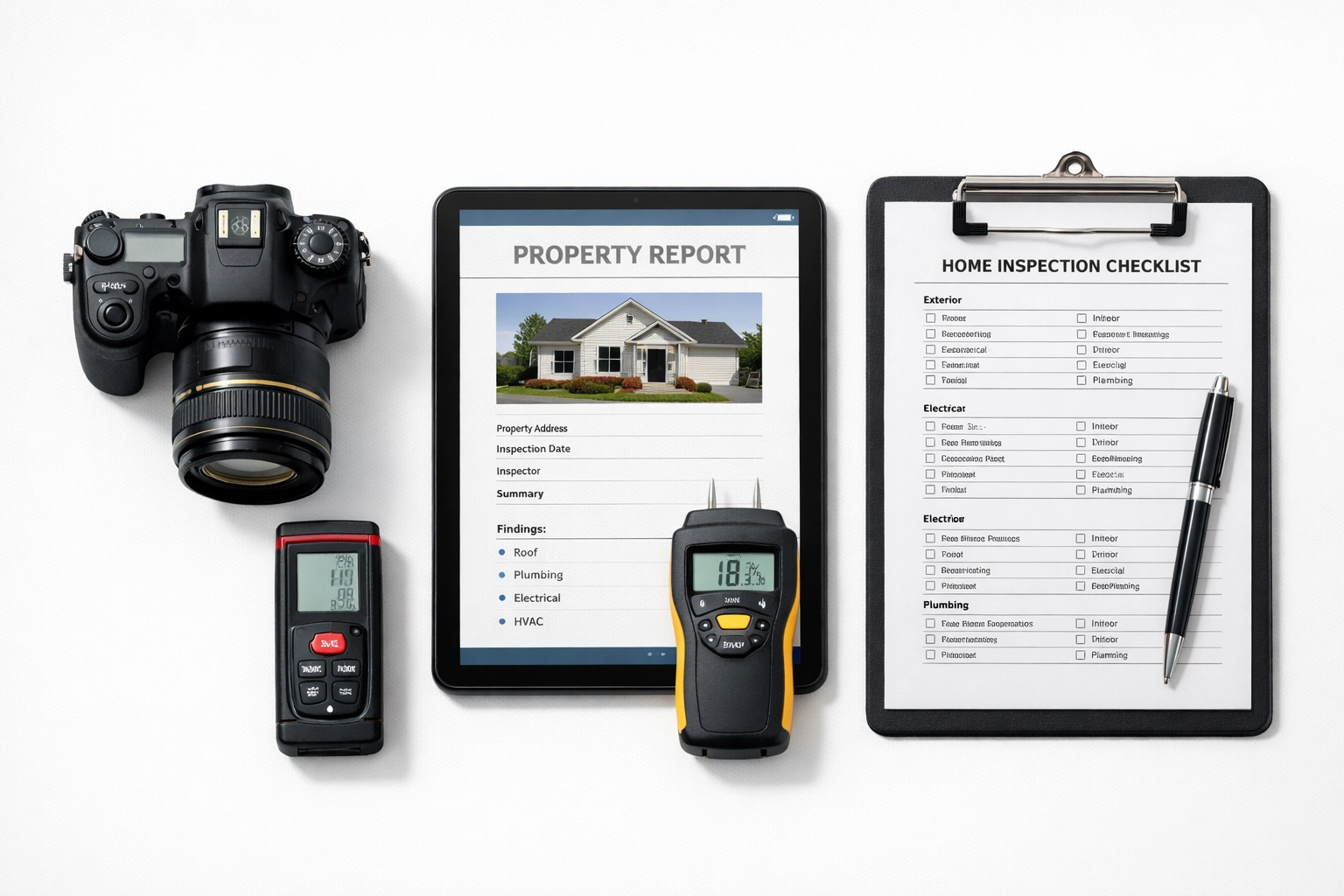
Check-Out Reports: At tenancy end, detailed reports establish whether damage occurred, assess fair wear and tear, and confirm the property remains free of hazards before re-letting. They close the loop on your accountability for that tenancy period and create the starting point for the next occupancy cycle.
Each report type requires specific expertise. Generic templates won't capture the nuanced details regulators expect. Untrained staff won't consistently identify hazards. Incomplete documentation leaves gaps that undermine your entire compliance position.
Professional property inventory clerks deliver standardised, comprehensive reporting across your entire portfolio. They use consistent methodologies, ensuring comparable data between properties and over time. They maintain impartiality, which strengthens evidence value if disputes arise. And they bring specialist knowledge of building defects, safety standards, and regulatory requirements that generalist staff simply cannot match.
Why London and Kent Social Housing Providers Choose Evestaff
Social housing providers managing properties across London and Kent face unique challenges: diverse property ages and types, urban density increasing damp risks, regulatory scrutiny concentrated in the capital, and tenant demographics with higher vulnerability to housing hazards.
Since 2012, Evestaff Property Inventory Clerks has specialised in delivering the meticulous, audit-ready documentation that social housing compliance demands. Our clerks bring extensive experience in identifying Category 1 hazards, understanding HHSRS assessment methodologies, and creating reports that satisfy regulatory requirements.
We leverage modern technology: digital reporting systems, timestamped photography with embedded metadata, secure cloud storage ensuring document retention, and systematic inspection checklists that guarantee consistency: whilst maintaining the human expertise that catches subtle indicators automated systems miss.

Every property we inspect receives the same rigorous attention to detail. We document property condition with precision that withstands legal challenge. We identify emerging hazards before they escalate. We provide evidence trails that demonstrate your compliance, protect your organisation from liability, and ultimately keep your tenants safe.
For social housing providers preparing for 2026's enhanced standards, professional reporting isn't an administrative burden: it's your insurance policy. The cost of comprehensive property documentation pales beside the financial, legal, and reputational consequences of inadequate compliance.
Taking Action: Your 2026 Compliance Checklist
Start by auditing your current property documentation systems. Do you have complete, professional condition reports for every property? Can you evidence absence of Category 1 hazards at the start of each tenancy? Do your periodic inspections consistently identify emerging issues before they become serious?
If you're seeing gaps, address them now. Commission comprehensive condition surveys for your entire portfolio, establishing baseline data. Implement systematic inspection schedules that catch deterioration early. Engage professional inventory clerks who understand social housing compliance requirements.
Review your reporting templates against 2026 Decent Homes Standard criteria. Ensure they capture all required information about hazards, facilities, and component condition. Verify they generate evidence suitable for regulatory submission and legal proceedings if needed.
Train your team on Awaab's Law requirements and HHSRS principles, but recognise that training alone cannot replace specialist expertise. Your housing officers, maintenance teams, and letting staff all play vital roles: but property condition assessment requires dedicated professionals with current knowledge and systematic methodologies.
The 2026 deadline is here. Regulators expect full compliance now, not phased implementation over coming years. Tenants increasingly understand their rights and won't tolerate substandard conditions. The media remains alert to any whiff of social housing scandal.
Your documentation strategy determines whether you navigate this landscape successfully or become another cautionary tale. Professional property reporting transforms compliance from a daunting challenge into a manageable process with clear audit trails, defensible evidence, and genuine improvements in housing quality.
Don't leave your organisation exposed. Invest in the professional documentation systems that protect your tenants, safeguard your reputation, and demonstrate the compliance standards the 2026 regulatory environment demands. From damp to decent isn't just about fixing buildings: it's about proving you fixed them properly.
Evestaff Property Inventory Clerks provides specialist property documentation services for social housing providers, landlords, and letting agencies across London and Kent. To discuss how professional reporting can strengthen your compliance with 2026 Decent Homes Standards, visit propertyinventoryclerks.co.uk or explore our residential property services.
Join The Discussion