

Meta Description: Discover how the Renters' Rights Reform 2025 transforms property inventory requirements. Learn 7 critical changes every landlord must implement to stay compliant and protect investments.
Tags: #RentersRightsReform #PropertyInventory #LandlordCompliance #AwaabsLaw #Section21Abolition #PropertyDocumentation #RentalPropertyManagement
The Renters' Rights Act 2025 isn't just another piece of legislation: it's a complete transformation of how you manage rental properties. With the main provisions taking effect on 1st May 2026, landlords who fail to adapt their property inventory practices face serious financial and legal consequences.
Your property inventory strategy must evolve immediately. The old approach of basic check-in photos and minimal documentation won't suffice under the new regulatory framework. Professional property inventory clerks are witnessing a fundamental shift in what constitutes adequate evidence in tenancy disputes.
1. The "12-Hour Reality Check": Professional Documentation Becomes Non-Negotiable
The abolition of Section 21 "no-fault" evictions means you'll rely entirely on Section 8 grounds for possession. This creates what industry professionals call the "12-Hour Reality Check": the time commitment required for truly comprehensive property documentation.
A professional inventory report now takes approximately 12 hours to complete properly, covering every detail that could become evidence in a dispute. This isn't about being thorough for thoroughness's sake: it's about survival in the new legal landscape.
Consider this scenario: You need to evict a tenant for property damage under Section 8, Ground 12. Without meticulously documented evidence from a professional inventory, your case crumbles in court. The written descriptions, condition assessments, and expert observations become your legal foundation.

2. Written Word Trumps Photos: The New Evidentiary Hierarchy
Photography alone no longer provides sufficient evidence in tenancy disputes. The courts increasingly favour detailed written descriptions from qualified inventory clerks over amateur photographs.
Your property inventory must now include comprehensive written assessments of every surface, fixture, and fitting. Professional clerks document items using standardised terminology that holds weight in legal proceedings. They note existing wear patterns, material conditions, and potential maintenance requirements with precision that photographs simply cannot capture.
This shift reflects judicial recognition that amateur photography often fails to convey the true condition of property elements. Written professional assessments provide context, expert interpretation, and legally defensible documentation.
3. Awaab's Law Integration: Damp and Mould Documentation Requirements
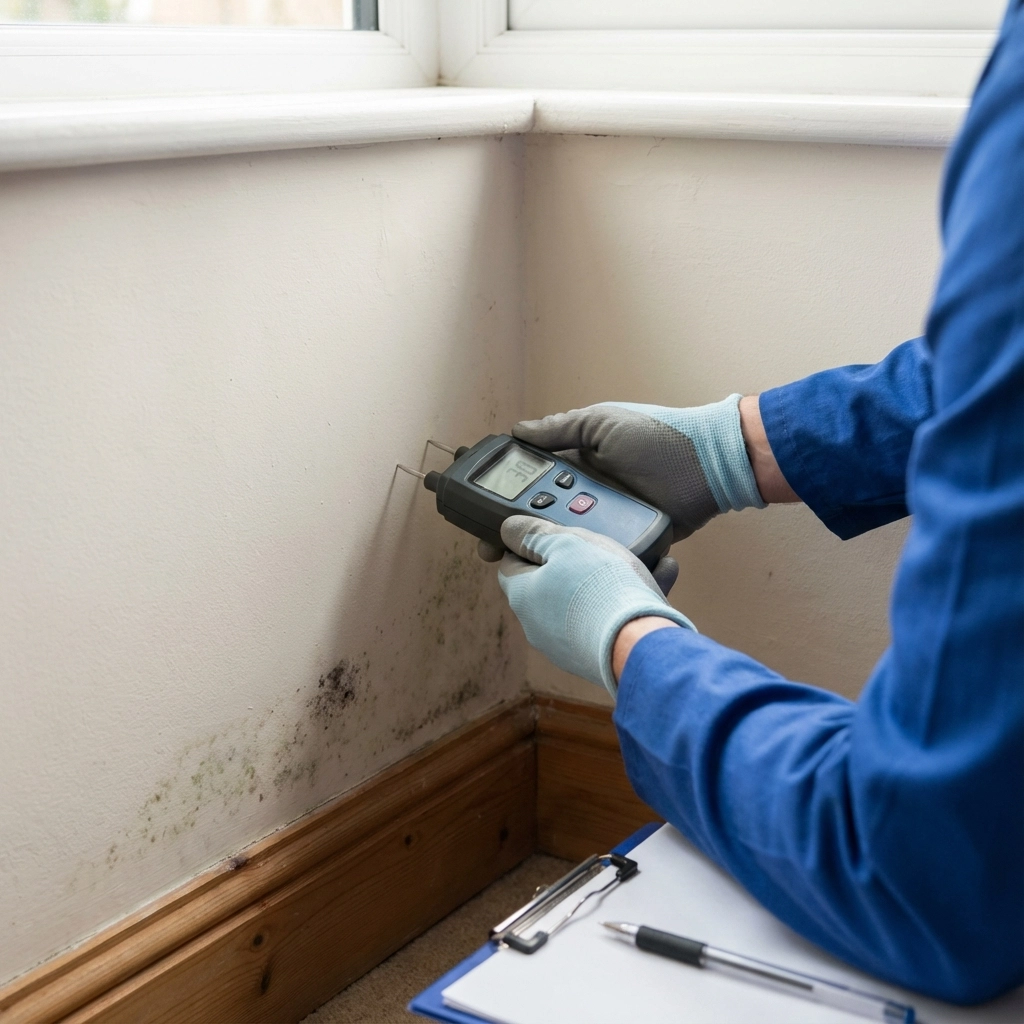
Awaab's Law fundamentally changes how you must document and respond to damp and mould issues. Your property inventory now requires specific attention to moisture-related risks and environmental conditions.
Professional inventory clerks must now identify and document:
- Signs of existing moisture ingress
- Ventilation adequacy assessments
- Areas of potential condensation risk
- Previous damp treatment evidence
- Mould spore indicators
This documentation creates your defence against future Awaab's Law violations. Without proper initial assessment, you cannot demonstrate that problems developed during the tenancy rather than pre-existing.
The 14-day repair timeframe under Awaab's Law makes pre-tenancy documentation critical. You need baseline evidence showing the property's initial condition to distinguish between pre-existing issues and tenant-caused problems.
4. Periodic Tenancy Evidence Requirements
The conversion of all fixed-term tenancies to periodic arrangements creates ongoing documentation obligations. You can no longer rely on end-of-tenancy inspections as your primary evidence-gathering opportunity.
Professional inventory services must now provide interim assessment options. These "mid-tenancy" reports document condition changes and maintenance requirements throughout the tenancy period. Without this ongoing documentation trail, you lose the ability to demonstrate when damage occurred or maintenance became necessary.
This change particularly affects long-term tenancies where gradual deterioration could be attributed to either normal wear or tenant negligence without proper interim documentation.

5. Enhanced Pet Policy Documentation Standards
The requirement to "reasonably consider" pet requests rather than blanket refusal changes your inventory documentation needs. You must now document the specific property features that inform your pet policy decisions.
Professional inventories must assess and document:
- Flooring vulnerability to pet damage
- Garden accessibility and security
- Neighbour proximity considerations
- Property size relative to animal welfare requirements
This documentation supports your decision-making process and demonstrates reasonable consideration of pet requests. Without proper assessment records, you cannot justify pet policy decisions that tenants might challenge as discriminatory.
6. Decent Homes Standard Compliance Documentation
Properties must meet the Decent Homes Standard, creating new inventory requirements around structural integrity, modern facilities, and reasonable repair standards.
Your professional inventory must now specifically assess and document compliance with these standards. This includes detailed evaluation of heating systems, insulation effectiveness, electrical safety standards, and bathroom facilities adequacy.
The documentation serves dual purposes: demonstrating initial compliance and creating baseline evidence for future maintenance obligations. Properties failing to meet these standards face rental restrictions and potential enforcement action.
7. New Enforcement Powers: Record-Keeping Excellence
Local authorities gained enhanced investigatory powers on 27th December 2025, including the right to demand landlord records and inspect documentation for compliance verification.
Your property inventory records must now withstand professional scrutiny from housing enforcement officers. This means maintaining:
- Complete documentation chains from initial inventory through all interim assessments
- Professional qualifications evidence for inventory providers
- Compliance verification records for all safety standards
- Tenant communication records regarding maintenance and repairs
Inadequate record-keeping can trigger enforcement action even when the underlying compliance exists. The authorities need to see proper documentation processes, not just good intentions.
Implementation Strategy: Protecting Your Property Investment
Start implementing these changes immediately, even though the main provisions don't commence until May 2026. The enhanced local authority powers are already active, and early compliance demonstrates good faith in the new regulatory environment.
Focus on selecting professional property inventory services that understand these new requirements. Not every provider has updated their practices to match the reformed legal framework.
Ensure your chosen inventory clerk provides comprehensive written assessments alongside photographic evidence. The written documentation will prove more valuable in legal proceedings than extensive photo galleries without proper professional interpretation.
Consider implementing quarterly property assessments for high-value properties or sensitive tenancy situations. The ongoing documentation trail protects against sudden claims and demonstrates continuous attention to property maintenance obligations.
Remember that compliance costs are investment protection costs. Professional inventory services prevent far more expensive legal disputes, enforcement penalties, and property damage claims.
The Renters' Rights Reform represents the most significant change to landlord obligations in decades. Your property inventory strategy must evolve to match the new legal reality. Professional documentation isn't optional: it's essential survival equipment in the transformed rental market.
Start planning your compliance strategy now, before the May 2026 implementation deadline creates a rush for professional services. Your properties, your investments, and your peace of mind depend on getting this right.
Join The Discussion