

If you've been following the property management space lately, you'll know the Housing Ombudsman isn't pulling any punches. Deposit disputes are under serious scrutiny, and the standards for what counts as "acceptable evidence" are climbing higher every quarter.
By 2026, the expectations around documentation quality, transparency, and accountability will be fundamentally different from what many landlords and letting agents got away with five years ago. If your inventory reports still look like they were cobbled together on a smartphone in poor lighting, it's time for a serious rethink.
Let's talk about what's coming, why it matters, and what you need to do right now to protect your portfolio.
The Housing Ombudsman's Evolving Standards
The Housing Ombudsman Service has been tightening its grip on deposit protection cases for years, but 2026 marks a tipping point. Recent adjudication trends show a clear pattern: cases are being decided not just on whether damage exists, but on whether landlords can prove it existed: or didn't exist: at specific points in the tenancy.
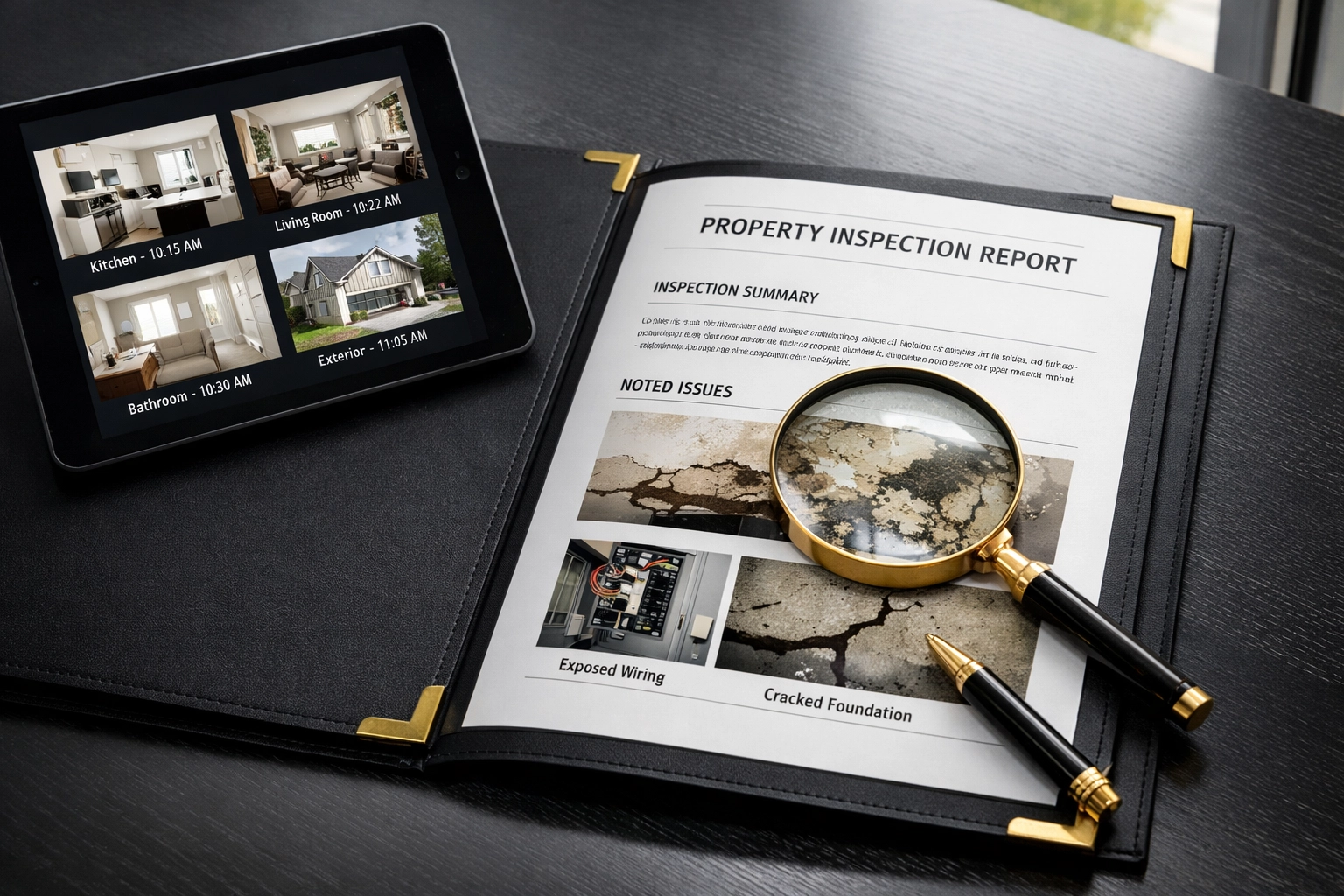
This shift puts the burden of proof squarely on your shoulders. Blurry photos, vague descriptions like "general wear and tear," and missing timestamps won't cut it anymore. The Ombudsman is demanding forensic-level detail, and landlords without it are losing winnable cases.
Here's what's changing:
Photographic Evidence Standards – Images must be high-resolution, date-stamped, and contextualised. A close-up of a stain means nothing without a wider shot showing the room and location. Metadata matters.
Detailed Condition Descriptions – Generic terms are out. You need precise language that differentiates between light scuffing, moderate damage, and significant wear. Ambiguity always favours the tenant.
Comparative Documentation – Check-in and check-out reports must be directly comparable. If your check-in missed a room or appliance, you can't suddenly claim damage to it at check-out.
Third-Party Verification – Self-reported landlord inventories are increasingly questioned. Independent, professional clerks carry far more weight in adjudications.
The bottom line? If your documentation wouldn't hold up in a small claims court, it won't hold up with the Ombudsman either.
Why Audit-Ready Documentation Isn't Optional Anymore
Let's be blunt: if you're still treating inventory reports as a tick-box exercise, you're gambling with thousands of pounds per tenancy.
"Audit-ready" doesn't mean perfect: it means defensible. It means your documentation tells a clear, chronological story that can withstand scrutiny from a tenant, their solicitor, or an Ombudsman adjudicator who's seen every trick in the book.

Consider what happens when a dispute lands on your desk. The tenant claims the carpet stain was there when they moved in. You think it wasn't, but your check-in report only has three photos of the entire living room, and none show that corner clearly. The Ombudsman looks at your evidence, compares it to the tenant's claims, and makes a judgment call.
Without watertight documentation, that call won't go your way.
Audit-ready documentation includes:
- Comprehensive photographic records of every room, angle, and item
- Written descriptions that match the photos and provide context
- Meter readings with timestamps and photographic proof
- Appliance condition reports including model numbers and functionality tests
- Signed acknowledgments from tenants confirming they've reviewed the report
This isn't about being pedantic: it's about protecting your investment. One lost deposit dispute can wipe out months of rental income. Professional documentation pays for itself the first time it saves you from an unjust claim.
What Property Managers Need to Know Right Now
If you're managing multiple properties, the stakes are even higher. A pattern of poorly documented tenancies doesn't just cost you individual disputes: it damages your reputation with the Ombudsman and can lead to systemic scrutiny of your entire portfolio.
Property managers should be treating inventory reports as legal documents, because that's effectively what they are. Here's your action plan:
Standardise Your Processes – Every property should follow the same documentation protocol. Use professional inventory clerks who understand current standards and legal requirements. At Evestaff Property Inventory Clerks, we've refined our processes over more than a decade to ensure every report meets the highest evidentiary standards.
Invest in Technology – Modern inventory software allows for real-time photo uploads, automated timestamps, cloud storage, and version control. Paper-based systems or basic Word documents introduce too many opportunities for error and tampering accusations.
Train Your Team – If you're conducting any inventories in-house, ensure your staff understand what constitutes adequate documentation. Better yet, outsource to specialists who do this full-time and stay current with regulatory changes.

Review Historical Reports – Go through your archived inventory reports with a critical eye. If they wouldn't stand up to current Ombudsman standards, consider conducting updated baseline reports for ongoing tenancies, especially higher-value properties.
Communicate Clearly with Landlords – Many landlords don't understand why professional inventory services cost what they do until they face their first dispute. Educate your clients on the value of proper documentation and make it a non-negotiable part of your service offering.
The London and Kent Advantage
Geography matters when it comes to inventory standards. London and Kent have some of the highest property values and most competitive rental markets in the UK, which means deposit disputes often involve substantial sums.
If you're managing properties across London, from Margate to Rochester, or throughout Kent's commuter belt, you're operating in areas where professional inventory services aren't a luxury: they're essential business protection.
Local expertise also matters. Understanding regional property characteristics, common wear patterns in coastal areas versus urban environments, and even knowing local council requirements around property licensing all feed into creating reports that hold up under scrutiny.
Whether you're covering Worthing, Tonbridge, Portsmouth, or anywhere in between, working with clerks who know the area makes a measurable difference in report quality and dispute outcomes.
What Tenants Are Getting Smarter About
Here's something else worth noting: tenants are becoming more sophisticated about their rights and evidence standards too. Tenant advocacy groups regularly publish guides on how to challenge deposit deductions, what evidence to collect, and how to escalate to the Ombudsman.

This isn't adversarial: it's actually healthy for the market. When both parties understand the importance of proper documentation, disputes decrease and the process becomes fairer.
But it does mean you can't rely on tenants simply accepting your word anymore. They'll question photographic evidence, challenge descriptions, and increasingly bring their own documentation to the table. Your best defence is being more thorough than they are.
Encourage tenants to attend check-ins and check-outs. Give them copies of reports immediately. Make the process transparent. When disputes do arise, you'll be operating from a position of documented strength rather than scrambling to justify decisions after the fact.
Making the Business Case for Professional Services
Let's talk numbers. A professional inventory report costs between £100-300 depending on property size and location. A lost deposit dispute on a two-bedroom flat can easily cost £2,000-4,000 in returned deposits plus your time dealing with the adjudication.
The ROI is obvious.
Beyond the direct financial protection, professional inventory services save you time. Instead of spending hours documenting properties, coordinating with tenants, and managing paperwork, you outsource to specialists and focus on higher-value activities like portfolio growth and client relationships.
There's also the liability factor. If you're conducting inventories yourself or using untrained staff, you're exposed to claims of bias, incompetence, or negligence. Professional clerks carry insurance, follow industry standards, and provide defensible documentation that protects both you and your clients.
At Evestaff, we've built our reputation on precision. Our clerks don't rush jobs. They don't cut corners. They document properties with forensic attention to detail because we understand what's at stake for landlords and property managers.
Preparing for 2026 and Beyond
The changes coming in 2026 aren't isolated: they're part of a longer-term trend toward greater accountability and transparency in the rental sector. The Renters' Reform Bill, evolving tribunal procedures, and increased Ombudsman scrutiny all point in the same direction.

Forward-thinking landlords and property managers are getting ahead of these changes now. They're upgrading their documentation standards, investing in professional services, and building relationships with inventory specialists who understand the regulatory landscape.
If you're still on the fence, ask yourself this: when was the last time you reviewed your inventory reports with the same critical eye an Ombudsman adjudicator would? If the answer is "never," or if you're not confident they'd pass muster, it's time to make changes.
The property management landscape is professionalising rapidly. Those who adapt will thrive. Those who cling to outdated practices will find themselves fighting losing battles in dispute after dispute.
Your move. Get your documentation in order now, or pay the price later when the stakes are highest and your options are limited.
For comprehensive, audit-ready property inventory services across London and Kent, explore our residential property services or get in touch to discuss your specific requirements. We're here to protect your investments with the level of detail and professionalism the 2026 landscape demands.
Join The Discussion