

Here's a statistic that should make every landlord sit up: the average deposit dispute costs between £800 and £2,500 to resolve when documentation is poor or absent. Multiply that across a portfolio, and you're looking at substantial losses that could have been entirely preventable.
With Section 21 ending in May 2026 and the Renters Rights Bill tightening documentation requirements, your property inventory report has shifted from "nice to have" to "absolutely essential legal armour." The landlords who emerge unscathed from the upcoming regulatory shake-up will be those who've already built bulletproof inventory processes.
This isn't about creating more paperwork for the sake of it. It's about establishing a systematic framework that protects your investment, eliminates ambiguity, and gives you an ironclad defence when disputes arise: because they will.
Step 1: Conduct a Forensic Property Walkthrough
Forget the quick smartphone snap-and-go approach. Your property walkthrough needs to be exhaustive, methodical, and detailed enough to withstand adjudicator scrutiny.
Start at the front door and work systematically through every room. Document everything from floor to ceiling, literally. Skirting boards, light fixtures, window frames, curtain rails, radiator valves, door handles. If it exists in the property, it goes in your report.
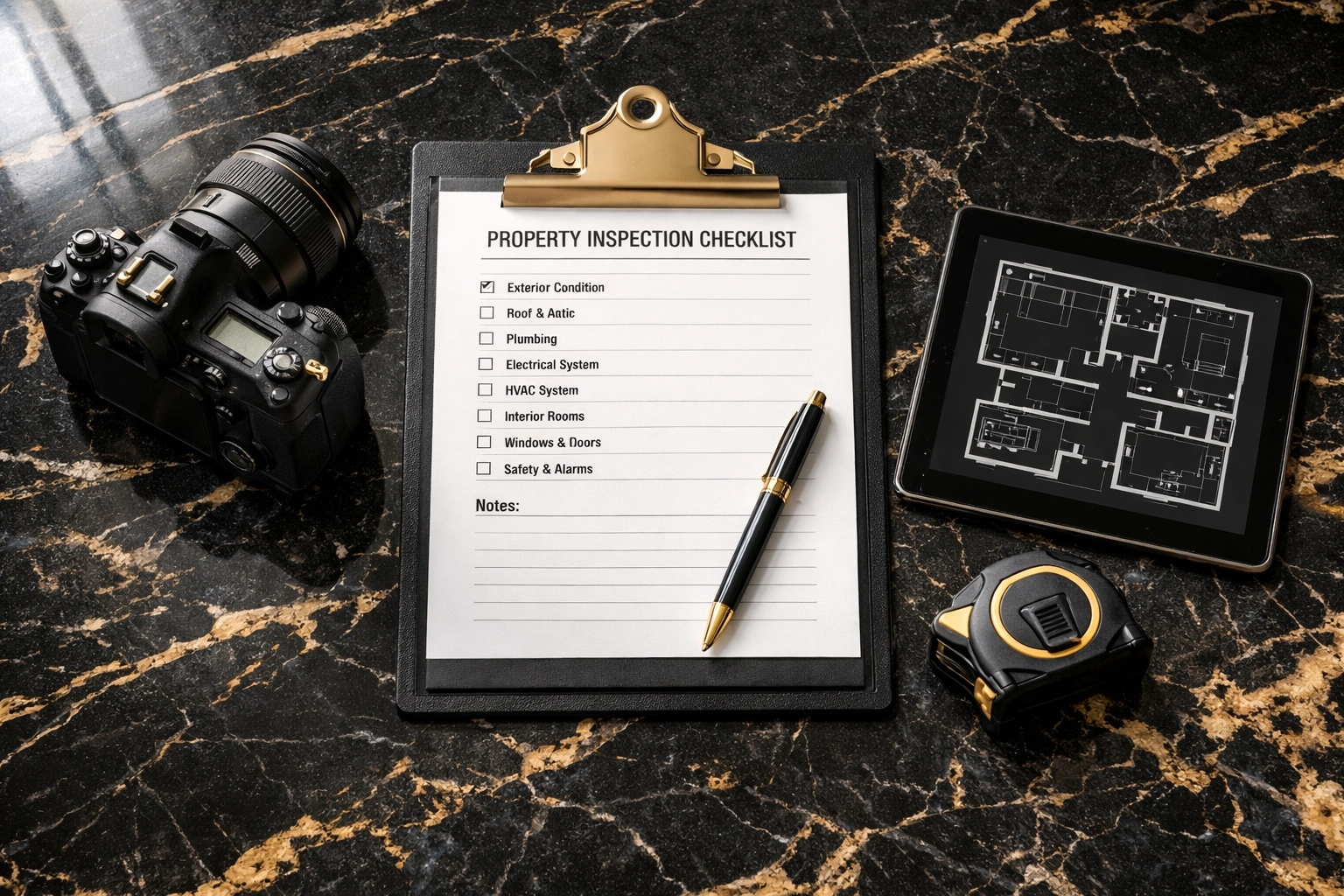
Use high-resolution photography with timestamps enabled. Better yet, incorporate video walkthroughs where you narrate the condition as you record. "The kitchen worktop has three minor scratches near the hob, approximately 2cm each" creates a far stronger record than a blurry photo with no context.
Open every cabinet. Test every appliance. Run every tap. Flush every toilet. Check the shower pressure. Examine grouting for mould. Note the condition of HVAC filters, smoke detector functionality, and the state of window blinds. These "minor" details become major leverage points in deposit disputes.
Professional inventory clerks: particularly those with years of experience documenting London and Kent properties: know exactly what adjudicators focus on. They've seen the patterns, they understand which details matter, and they document accordingly. That expertise is worth its weight in gold when you're defending a £1,200 deduction for carpet damage.
Step 2: Capture and Archive Utility Meter Readings
This step takes three minutes but prevents weeks of billing headaches.
Photograph every utility meter in the property with crystal-clear close-ups that show the reading unambiguously. Water, gas, electric: capture them all. Include the meter serial number in the frame.
These images establish an indisputable cutoff point for billing responsibility between outgoing and incoming tenants. When disputes arise about who owes what on the final utility bill, you have photographic proof that ends the conversation immediately.
Store these images alongside your main inventory report in a secure, cloud-based system. Property management software can automate this archiving, but the critical point is accessibility. When you need these records six months later, you should be able to retrieve them in under 30 seconds.
Step 3: Schedule Strategic Move-In and Move-Out Inspections
Timing is everything. The gap between when one tenant vacates and another moves in creates a documentation vacuum where responsibility becomes murky. Close that gap.

Coordinate your check-out inspection for immediately after the previous tenant has completely vacated: not three days later. Every hour between vacation and inspection is an hour where damage could theoretically occur outside tenant responsibility.
Similarly, schedule your check-in inspection for just before the new tenant receives keys. This creates a seamless, defensible timeline that eliminates the "it was already damaged when I moved in" argument.
Use shared calendar software to book inspections and automatically notify all parties. This transparency builds trust and eliminates scheduling disputes before they start.
The move-out inspection should produce a comprehensive report comparing current condition against the original check-in inventory. Every discrepancy: no matter how minor: gets documented with photographic evidence. This comparison becomes your foundation for any deposit deductions.
Step 4: Test and Document All Systems and Appliances
Here's where most DIY inventories fail catastrophically: they photograph the oven but never check if it actually works.
Develop a comprehensive testing checklist with specific, measurable criteria. Not "heating works" but "central heating raises room temperature to 21°C within 30 minutes." Not "oven functional" but "oven reaches 180°C within 15 minutes and maintains temperature."
Test every appliance: washing machine (including spin cycle), dishwasher, refrigerator (check thermostat settings), boiler pressure, immersion heater, extractor fans, light fittings, door locks, window latches.
Document the date, outcome, and relevant readings for each test. If an appliance is borderline or showing early signs of wear, note it explicitly: "Dishwasher completes cycle but makes unusual grinding noise during drain phase."
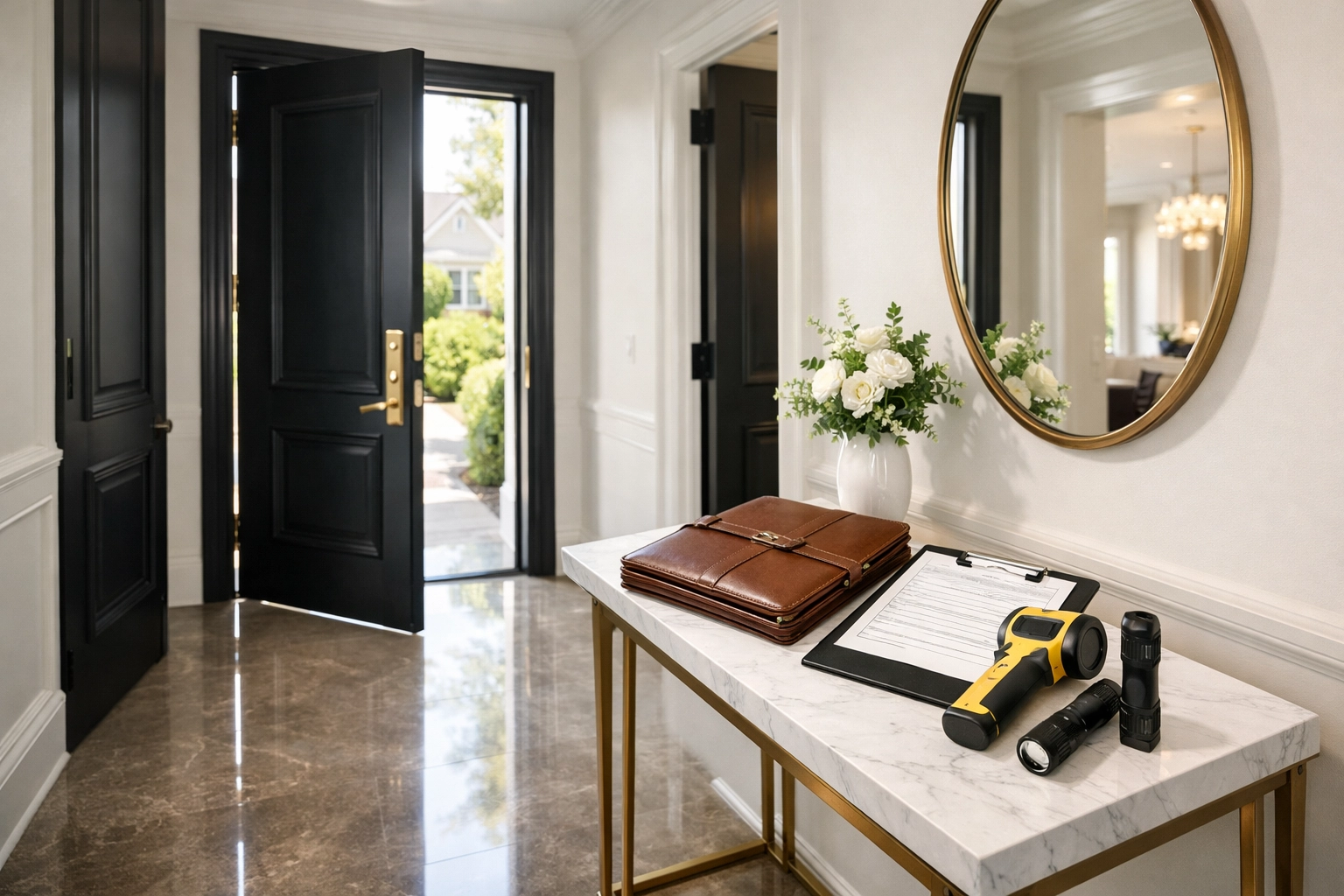
This level of detail protects you from tenants claiming equipment failed during their tenancy when it was already deteriorating at move-in. It also helps you proactively schedule maintenance before catastrophic failures occur.
For properties in London and Kent where regulations are increasingly strict around habitability standards, this systematic approach to testing ensures you're meeting your legal obligations whilst creating an audit trail of compliance.
Step 5: Define and Document Move-In Ready Standards
"Clean" means different things to different people. Your inventory framework needs to eliminate that ambiguity entirely.
Define cleaning standards in explicit, measurable terms. Not "kitchen clean" but "all surfaces wiped down, no grease residue on hob, oven interior free of food debris, refrigerator sanitised, floor mopped." Include these specific standards in your tenancy agreement.
Engage professional cleaning services before every new tenancy. Keep invoices and certificates of service. Take extensive photographs and video after professional cleaning but before the tenant moves in.
This creates an objective benchmark of the expected return condition. When the tenant moves out, you compare actual condition against this documented standard. The subjectivity evaporates.
Professional inventory services typically photograph properties in "move-in ready" condition from multiple angles in each room. They capture the gleam on cleaned windows, the pristine state of carpets, the spotless condition of bathrooms. When deposit disputes reach adjudication, these images carry enormous weight.
Why This Framework Matters More in 2026 Than Ever Before
The regulatory landscape has fundamentally shifted. With Section 21 abolished, you can no longer simply end a tenancy at will. Every eviction must now be grounds-based, which means documentation of property condition becomes central to any possession claim.
The Renters Rights Bill introduces stricter expectations around evidence quality. Adjudicators increasingly favour tenants when landlord documentation is ambiguous, incomplete, or produced after the fact. Your inventory report must be contemporaneous, detailed, and professionally produced.
Deposit protection schemes are tightening their standards for what constitutes "acceptable evidence." A few smartphone photos with no timestamps, no context, and no systematic approach won't cut it anymore. You need the level of detail that only comes from following a structured framework: or engaging professionals who live and breathe this work.
The landlords who save thousands in disputes are those who've invested upfront in getting their inventory processes right. They're not scrambling to produce evidence when conflicts arise; they're calmly presenting comprehensive documentation that makes their position unassailable.
Building Your Defence Before You Need It
Think of your property inventory framework as insurance you activate before the policy period begins. By the time a dispute arises, it's too late to create the evidence you should have captured six months earlier.
Professional inventory clerks bring systematic rigour to this process. They've conducted thousands of inspections. They know which details matter. They understand how adjudicators think. They use calibrated equipment and standardised reporting formats that withstand legal scrutiny.
For landlords managing London and Kent properties: where tenant demand is high but so are expectations around property standards: this expertise translates directly into financial protection. The £150-£300 you invest in a professional check-in inventory can save you £2,000 in a single prevented dispute.
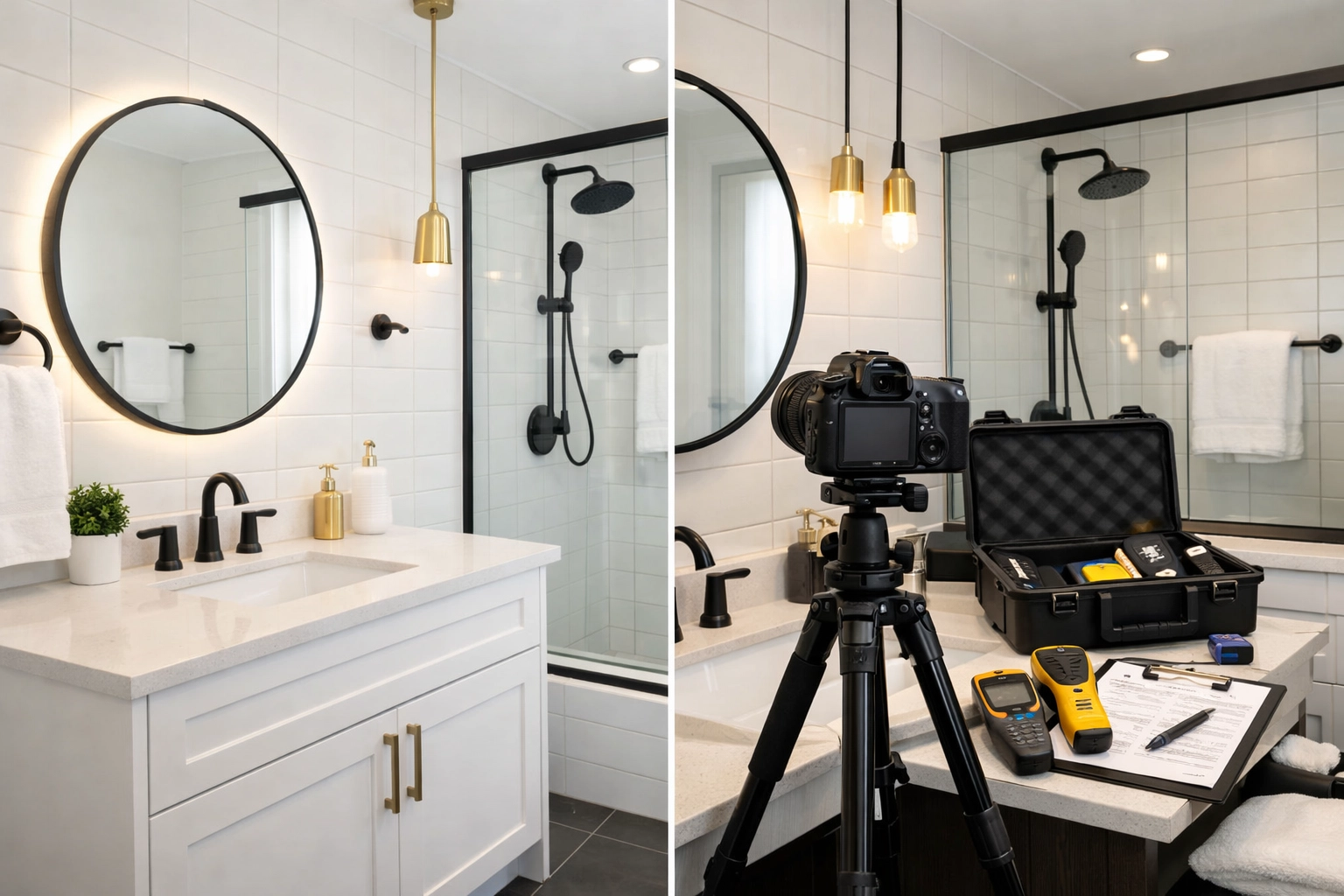
The framework outlined here works because it's comprehensive, systematic, and eliminates ambiguity at every stage. It creates a documented trail that protects both parties: which is exactly what 2026 regulations demand.
Your property is likely your largest investment. Protecting that investment requires more than hoping disputes won't arise. It requires building an evidence base so robust that disputes resolve in your favour before they ever reach formal adjudication.
That's not just compliance. That's intelligent asset management for the realities of modern property letting.
If you're ready to implement this framework properly, professional inventory services eliminate the guesswork and ensure your documentation meets the standards adjudicators actually require. Because in 2026, adequate documentation isn't optional: it's the difference between protecting your investment and watching your profit margins erode in preventable disputes.
Join The Discussion