

Property inventories have always been about documenting what's visible: the fixtures, fittings, and condition of a rental property at a specific point in time. But in 2026, landlords across London and Kent are discovering that the most valuable assets aren't always the ones you can photograph with a standard camera. Thermal performance has quietly become one of the most critical factors determining a property's profitability, tenant retention, and long-term value.
The shift isn't accidental. Rising energy costs, tightening regulatory requirements, and increasingly savvy tenants have transformed energy efficiency from a "nice-to-have" into a competitive necessity. If you're still viewing property inventories as purely cosmetic exercises, you're missing half the picture.

The Hidden Cost of Poor Thermal Performance
When we conduct property inventories, we're meticulous about documenting every scuff mark, every missing drawer handle, every minor defect. But what about the heat escaping through poorly insulated walls? The draughts around single-glazed windows? The HVAC system working overtime to compensate for inadequate thermal barriers?
According to recent data from the U.S. Department of Energy, proper insulation improvements can reduce heating and cooling costs by 20% to 30%, depending on the property's age and existing insulation quality. For landlords covering utilities in London or Kent, that's a direct hit to your operating expenses. For those with tenant-paid utilities, it's a competitive disadvantage in a market where renters are increasingly energy-conscious.
Poor thermal performance doesn't just cost you money in energy bills. It accelerates wear on heating systems, increases maintenance callouts, and creates tenant complaints that erode satisfaction and retention rates. Every degree of inefficiency compounds across months and years, quietly draining profitability from your portfolio.
Why Documentation Matters More Than Ever
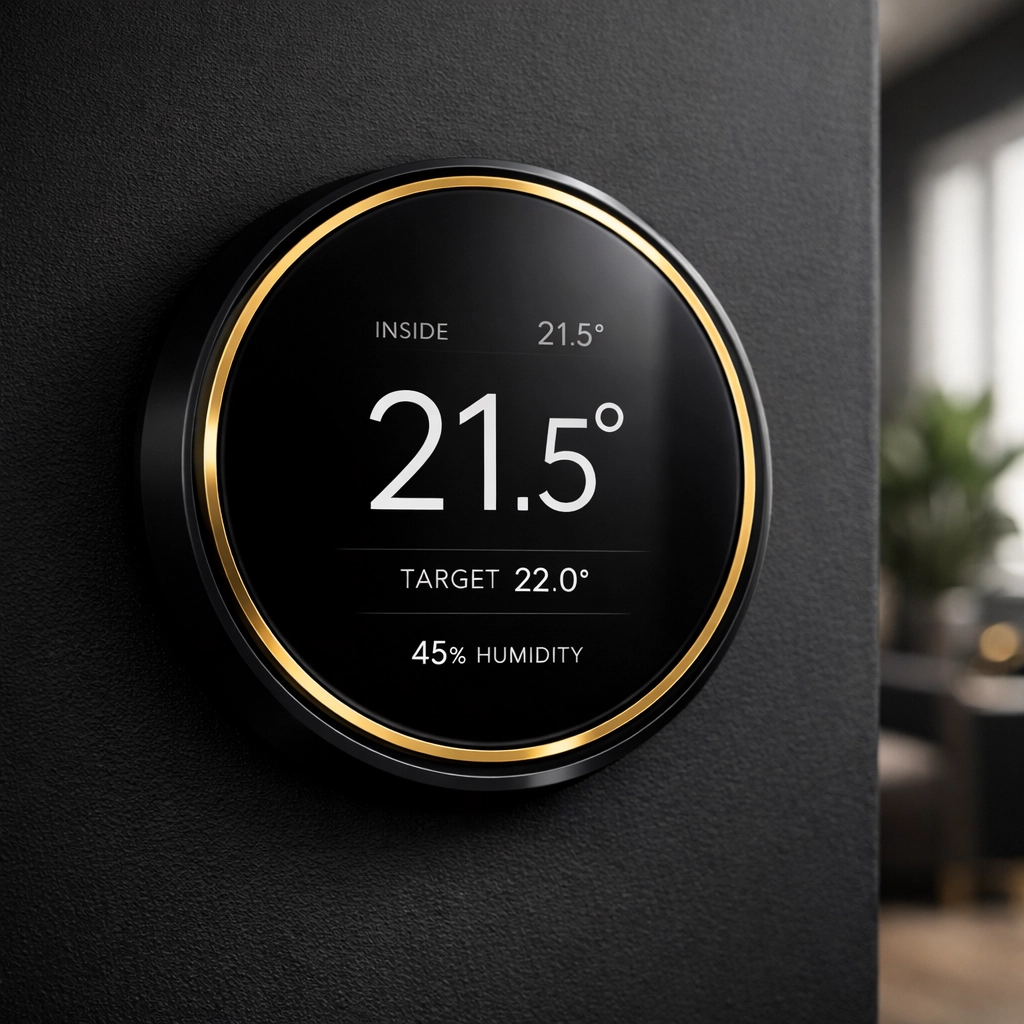
Here's where property inventories and thermal performance intersect. A comprehensive inventory should now include notations about energy-related features: window quality, insulation indicators, heating system age and condition, thermostat functionality, and any visible gaps or draughts. These details aren't just helpful: they're essential for understanding your property's true operating costs and identifying opportunities for improvement.
At Evestaff Property Inventory Clerks, we've been documenting properties across London and Kent since 2012. Our clerks are trained to notice the subtle indicators that suggest thermal inefficiency: condensation patterns, temperature differentials between rooms, outdated heating controls. These observations, recorded with precision during check-in and check-out inventories, create a baseline for assessing energy performance and planning strategic upgrades.
The Financial Case Is Overwhelming
Let's talk numbers. Attic insulation alone can reduce heat loss by up to 25%, according to industry research. For a portfolio of rental properties, that reduction translates into thousands of pounds saved annually on heating costs. But the financial benefits extend well beyond utility bills.
Energy-efficient properties command premium rents. Tenants increasingly prioritise homes that offer lower monthly running costs, and they're willing to pay slightly more upfront for properties that promise reduced energy bills. This isn't theoretical: it's happening right now across the London and Kent rental markets.
Lower maintenance expenses reinforce the financial case. When your HVAC systems aren't constantly battling poor insulation and draughty windows, they last longer and require fewer repairs. Energy-efficient rental properties place less strain on mechanical systems, reducing emergency callouts and extending equipment lifespan. Over a five to ten-year period, these savings compound significantly.
Property values respond to energy efficiency as well. Green upgrades and thermal improvements boost resale potential and increase overall property value. When you eventually sell, buyers factor energy performance into their valuations. Properties with strong thermal performance sell faster and command higher prices than comparable properties with outdated energy profiles.
Tenant Retention Starts With Comfort
You can have the most beautifully presented property in Maidstone or Sevenoaks, but if tenants are freezing in winter or sweltering in summer, retention becomes a challenge. Proper thermal performance maintains consistent indoor temperatures year-round, eliminating the complaints that typically arise in poorly insulated properties.
Comfortable tenants stay longer. Higher retention rates mean reduced vacancy periods, fewer turnovers, and lower administrative costs. Energy-efficient rentals attract more qualified applicants during letting periods and encourage lease renewals when existing tenancies expire. For multi-unit properties, these advantages multiply across all units, magnifying bulk energy savings and reducing turnover-related expenses.

The Regulatory Reality
Minimum Energy Efficiency Standards (MEES) regulations continue to evolve, and landlords who ignore thermal performance are increasingly finding themselves on the wrong side of compliance requirements. While current regulations set minimum EPC ratings for rental properties, the trajectory is clear: standards will only become more stringent.
Forward-thinking landlords are getting ahead of regulatory changes rather than scrambling to meet minimum requirements at the last possible moment. Proactive thermal improvements protect you from future compliance headaches while simultaneously delivering immediate financial and operational benefits.
This is precisely why we're expanding our service offerings. Evestaff will soon be providing Energy Performance Certificates (EPCs) and Retrofit assessments to complement our core inventory services. By integrating energy performance documentation with our meticulous property inventories, we'll offer landlords a comprehensive view of their properties: cosmetic condition and thermal efficiency in one seamless service.
What Thermal Performance Looks Like in Practice
Effective thermal performance isn't about expensive wholesale renovations. It's about strategic improvements targeted at your property's specific weaknesses. Start by identifying heat loss points: windows, doors, loft spaces, wall cavities, and pipe work. Simple interventions like draught-proofing, upgraded loft insulation, or modern thermostat controls can deliver disproportionate returns relative to their cost.
For properties requiring more substantial improvements, cavity wall insulation and double glazing represent mid-tier investments with strong ROI. These upgrades typically pay for themselves within five to seven years through reduced energy costs and increased rental income, while simultaneously making your property more attractive to quality tenants.
Document everything. When you make thermal improvements, ensure they're properly recorded in your property inventories and maintenance logs. This documentation serves multiple purposes: it demonstrates compliance with energy regulations, it provides evidence of property improvements for tax purposes, and it creates a clear record of your property's evolution over time.

The Technology Advantage
Modern property management increasingly relies on technology to track performance, identify issues, and optimise operations. At Evestaff, we leverage technology to enhance the precision and comprehensiveness of our documentation. Our clerks use advanced tools to capture detailed property conditions, including energy-related features that might be overlooked in traditional inventories.
For landlords managing multiple properties across London and Kent, this technological approach means better data, clearer insights, and more informed decision-making. You can compare thermal performance across your portfolio, identify which properties would benefit most from efficiency upgrades, and prioritise investments based on actual data rather than guesswork.
If you're also managing the IT infrastructure that supports your property business, consider partnering with specialists who understand the unique technology needs of property management. Reliable systems and data security matter when you're handling sensitive tenant information and financial records.
Future-Proofing Your Portfolio
Thermal performance is no longer optional. It's a fundamental component of responsible, profitable property management. The landlords who recognise this reality early: who integrate energy efficiency into their property strategies now rather than later: will enjoy competitive advantages that compound over time.
Your property inventories should reflect this shift. They should document not just the visible condition of a property but also the features that determine its energy efficiency and operating costs. They should provide the baseline information you need to make smart investment decisions about thermal improvements.

As we expand into EPC and Retrofit services, we're building on the foundation of meticulous documentation that's defined Evestaff since 2012. Our approach remains unchanged: precision, attention to detail, and a commitment to giving landlords the comprehensive information they need to protect and grow their property investments.
Thermal performance isn't separate from property inventories: it's the next evolution of what property inventories should capture. Document thoroughly, invest strategically, and position your portfolio for the energy-conscious rental market that's already here.
The properties that thrive in 2026 and beyond won't just look good on paper. They'll perform efficiently, cost less to operate, retain tenants longer, and command premium rents. That's the Midas Touch approach to modern property management: where every detail matters, and every improvement compounds over time.
Join The Discussion