

The rental landscape is changing. With Section 21 evictions abolished from May 2026, your fixed-term assured shorthold tenancies are becoming a relic of the past. Open-ended tenancies are now the default, and that means one thing: your tenants could be staying for years, not just the traditional six or twelve months.
Here's the uncomfortable truth: without regular mid-tenancy inspections, you're flying blind. Property condition can deteriorate silently over extended periods. What starts as a minor leak becomes structural damage. That small crack in the window seal? Six months later, you've got mould creeping up the walls.
You need a different approach to property management, and it starts with treating mid-tenancy inspections as essential maintenance, not optional admin.
Why Open-Ended Tenancies Change Everything
Under the old system, you had natural inspection points built into the tenancy cycle. Every six or twelve months, you'd conduct an end-of-tenancy inspection, assess damage, handle the deposit, and start fresh with new documentation.
Open-ended tenancies remove those convenient checkpoints. Your tenant might stay for three years, five years, even longer. That's excellent for rental stability and cash flow, but it creates a documentation gap that puts you at serious risk.
Consider what happens without regular inspections during a three-year tenancy. Minor maintenance issues compound. Tenant behaviour changes. You lose the evidential trail that protects you in deposit disputes. By the time you finally inspect at the end of the tenancy, you're arguing about whether that carpet stain happened in month two or month twenty-four: and without photographic evidence from interim inspections, you'll likely lose that argument.

Mid-tenancy inspections give you visibility. They allow you to spot problems early, maintain your property's condition, and create the documentation timeline that protects your investment over the long term.
What Your Mid-Tenancy Inspection Should Cover
A proper mid-tenancy inspection isn't a cursory walkthrough where you tick boxes and leave. You're creating a dated, photographed record of your property's condition at a specific point in time.
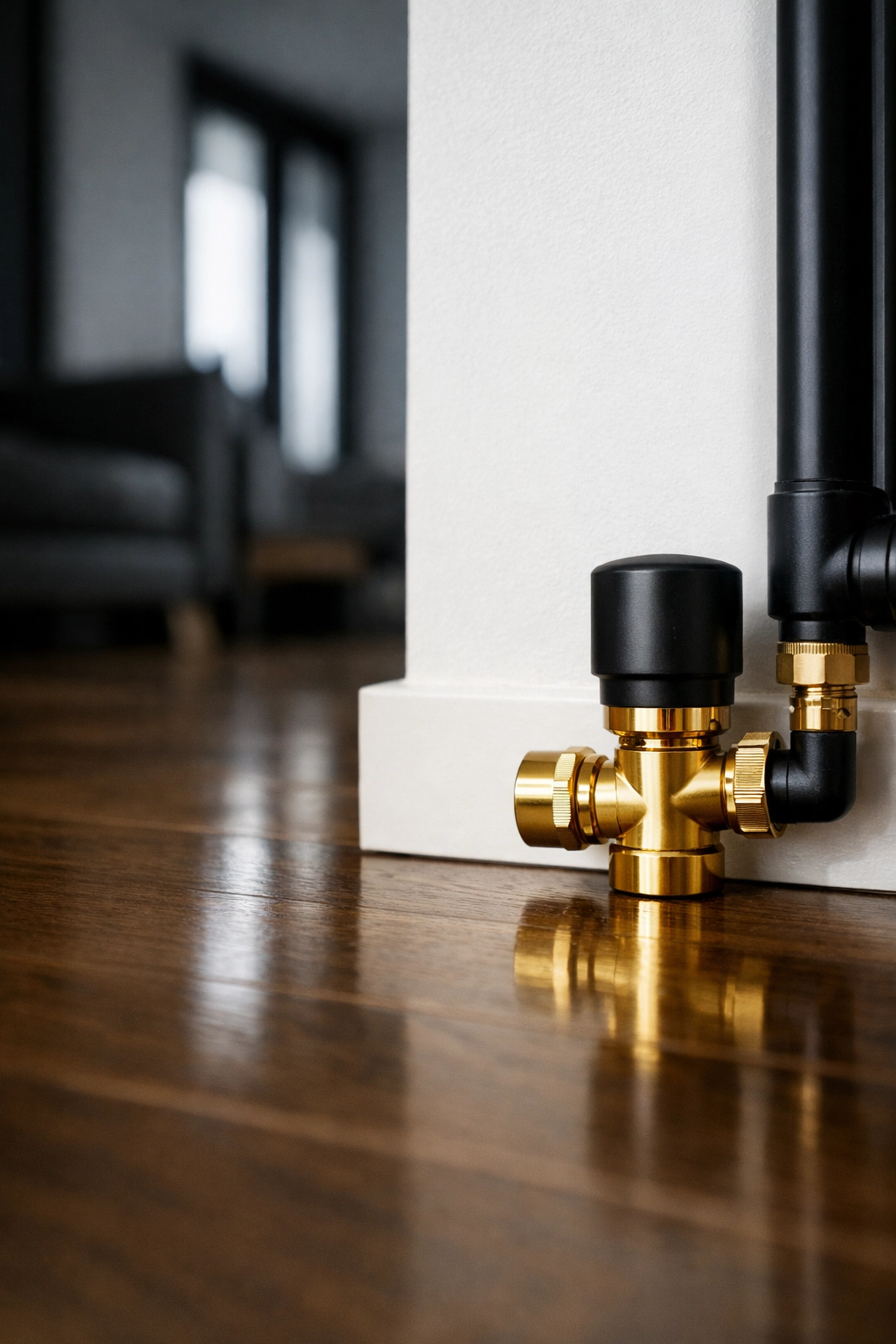
Start with the basics: heating systems, electrical fixtures, plumbing, and water pressure. These are your habitability essentials. Check radiators function properly, taps don't leak, light switches work, and there's no evidence of electrical faults. Document everything with timestamped photographs.
Move through the property systematically. Examine walls, floors, and ceilings for damage, damp, or mould. Check window seals and frames for deterioration. Inspect doors and locks for functionality. Look at kitchen appliances: are they being maintained properly? Is the oven clean? Does the fridge seal properly?
Don't neglect the exterior. Garden maintenance matters, particularly in properties where tenants have maintenance responsibilities. Overgrown gardens can lead to damp issues. Blocked gutters cause water damage. Unsecured fencing creates security risks.
Pay attention to warning signs of lease violations. Are there more occupants than the tenancy agreement allows? Evidence of pets when the lease specifies no animals? Signs of smoking in a non-smoking property? These issues need addressing immediately, not months down the line.
The inspection also gives you an opportunity to check safety compliance. Are smoke alarms functioning? Is the carbon monoxide detector operational? These aren't just regulatory requirements: they're life-safety essentials.
How Often Should You Conduct Mid-Tenancy Inspections?
The frequency depends on your property type, tenant profile, and risk tolerance. There's no one-size-fits-all answer, but here are the guidelines that work for most landlords.
For standard single-family lets with professional tenants who've demonstrated good property care, quarterly inspections strike the right balance. You're maintaining visibility without being intrusive. Four inspections per year means seasonal coverage: you'll catch heating issues in winter, garden maintenance in summer, and damp problems in autumn.
Houses in Multiple Occupation (HMOs) require more frequent attention. Monthly inspections aren't unreasonable, particularly in properties with higher tenant turnover or younger occupants. HMO Management Regulations impose stricter obligations on landlords, and regular inspections help you meet those standards.
Properties with vulnerable tenants may need even more frequent checks, not to be intrusive, but to ensure the property remains safe and habitable. In these situations, coordinating inspections with regular cleaner visits or maintenance schedules can provide oversight without creating additional disruption.
New tenancies warrant more frequent early inspections. Consider inspecting at one month, then three months, before settling into your regular quarterly schedule. This allows you to identify problems with tenant behaviour early and address them before they become entrenched habits.
Remember: inspection frequency should scale with risk. A £2 million property in Sevenoaks warrants different attention than a £150,000 flat in Rochester. Adjust your approach based on property value, tenant profile, and historical condition.
Legal Requirements and Notice Periods
You can't just turn up unannounced. Inspection rights must be balanced against your tenant's right to quiet enjoyment of their home.
Under UK tenancy law, you must provide at least 24 hours' written notice before entering the property for an inspection. Best practice? Provide 48 hours' notice and be flexible about timing. Inspections should occur during reasonable hours: generally between 9:00 AM and 6:00 PM: and you should accommodate your tenant's schedule where possible.

Your tenancy agreement should include a clause specifying inspection rights and frequency. This sets expectations from day one and prevents disputes later. The clause should state the notice period you'll provide, the approximate frequency of inspections, and the purpose (property condition assessment, safety compliance checks, etc.).
Document everything. Send inspection notices via email or secure messaging that creates a timestamp. Keep copies of all correspondence. If a tenant refuses access without good reason, document that refusal. Repeated access refusals may indicate problems you need to investigate further.
Remember that inspection rights don't override your tenant's legal protections. You can't use inspections as harassment. You can't inspect more frequently than your tenancy agreement specifies without the tenant's consent. And you can't enter the property without notice except in genuine emergencies (major leaks, fire, gas leaks, etc.).
The Documentation Advantage
Here's where professional inventory services like Evestaff become invaluable. Mid-tenancy inspections only protect you if the documentation is comprehensive, accurate, and defensible.
Amateur inspections: landlords with smartphones taking quick photos: rarely stand up to scrutiny in deposit disputes. The photographs lack context. The descriptions are vague. The timeline is unclear. When you're arguing about whether damage existed at the start of the tenancy or occurred during year two, poor documentation loses you money.
Professional inventory clerks create forensic-level documentation. Every room is photographed from multiple angles. Every item is described in detail. Any existing damage is noted, photographed, and dated. The result is a report that serves as credible evidence in any dispute scenario.
With open-ended tenancies, this documentation becomes even more critical. You're building a condition timeline that might span years. Your check-in report from 2026, your mid-tenancy inspection from 2027, and your check-out report from 2029 need to tell a coherent story. Professional services ensure consistency in format, detail level, and photographic standards across all these touchpoints.
Evestaff has been creating these protective documentation trails since 2012. Our clerks bring precision and experience to every inspection, whether it's a studio flat in Margate or a five-bedroom house in Tonbridge. We understand what matters in deposit disputes because we've seen hundreds of them. That experience translates into reports that protect your interests.
Making Mid-Tenancy Inspections Work
The shift to open-ended tenancies isn't a problem: it's an opportunity to build better landlord-tenant relationships and protect your property more effectively. Regular mid-tenancy inspections become your early-warning system, catching problems while they're small and fixable.
Schedule your first round of 2026 inspections now. Review your tenancy agreements to ensure they include appropriate inspection clauses. Consider whether your current inspection frequency is adequate for the longer tenancies ahead.
And if you've been handling inspections yourself, consider whether professional documentation might save you thousands in disputed deposits down the line. At Evestaff, we serve landlords across London and Kent with the meticulous, evidence-grade inspections that protect properties over the long term.
Your property is an investment. Regular mid-tenancy health checks keep that investment protected, compliant, and profitable( regardless of how long your tenants stay.)
Join The Discussion