
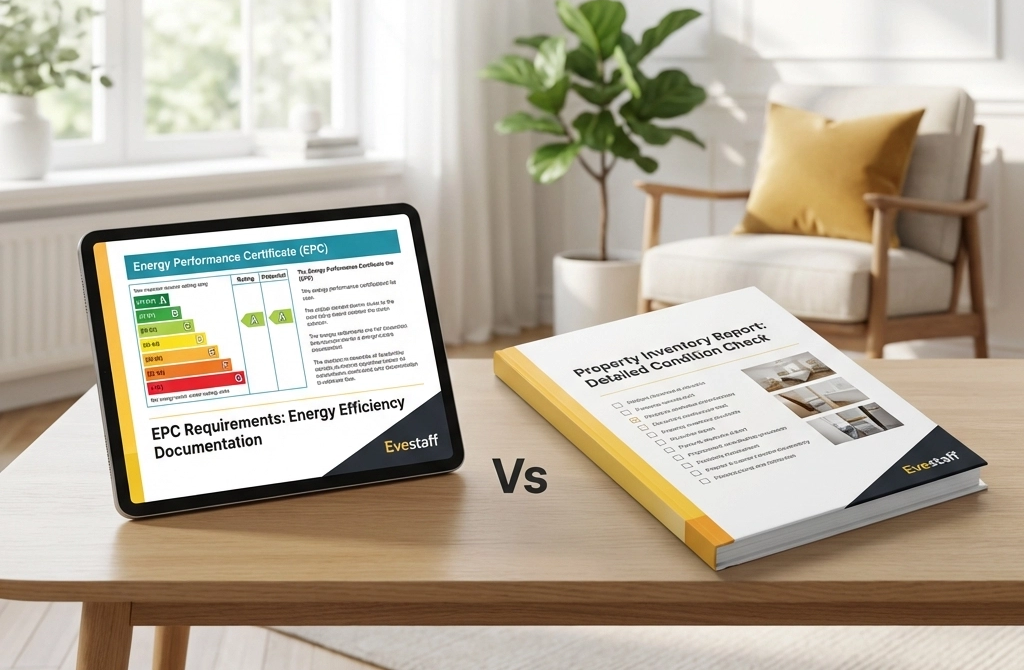
The landscape of rental property compliance is shifting dramatically. With the UK government implementing sweeping changes to Energy Performance Certificate (EPC) requirements throughout 2026 and beyond, landlords, property managers, and letting agencies face a new reality. Understanding how these requirements interact with your property inventory documentation is no longer optional: it is essential for protecting your investment and avoiding substantial penalties.
The New EPC Framework: What You Need to Know
The current EPC system you know is about to change fundamentally. By late 2026, the single Energy Efficiency Rating will be replaced with a more comprehensive assessment based on three key metrics: fabric performance (how well your property retains heat), smart readiness (energy management technology integration), and heating system efficiency.
This shift represents more than a bureaucratic reshuffle. It signals a complete rethinking of how rental properties are evaluated for energy compliance.
Critical Deadlines Approaching
Mark these dates in your calendar:
- 2026: All new tenancies must achieve an EPC rating of C or above
- 2028: New tenancies in existing rental properties must meet the C rating threshold
- 2030: All current tenancies must comply with the C rating requirement
Non-compliance carries penalties of up to £30,000. The financial risk alone makes this a priority for every property professional operating in London, Kent, and across the UK.

Why Property Inventory Reports Matter More Than Ever
Here is where many landlords and agents miss a crucial connection. Your EPC documentation tells one story about your property's energy performance. Your property inventory report tells another equally important story about condition, fixtures, and fittings. Together, they create a comprehensive picture that protects you legally and financially.
Consider this scenario: you invest £15,000 in energy efficiency improvements to meet the new EPC requirements. You install new double-glazed windows, upgrade the heating system, and add smart thermostats throughout the property. Without a detailed property inventory report documenting these improvements, you have no formal record linking your investment to specific property features.
When a tenancy ends and disputes arise about the condition of those expensive smart thermostats or the state of the new radiators, your EPC certificate alone provides no evidence of their original condition.
The Documentation Gap
Property inventory reports bridge the gap between compliance documentation and practical protection. A meticulous inventory conducted by experienced clerks captures:
- The specific make, model, and condition of heating system components
- Photographic evidence of window installations and their operational state
- Smart technology installations with serial numbers and functionality tests
- Insulation visible in loft spaces or noted in property specifications
This level of detail transforms your energy efficiency investment from an abstract compliance exercise into a documented asset with clear baseline conditions.

Continuous Compliance: The New Reality
One significant change in the strengthened EPC regulations deserves particular attention. Landlords must now maintain continuous, current EPCs throughout tenancies: not simply renew them between tenants. This requirement extends to Houses in Multiple Occupation (HMOs), short-term rentals, and any property marketed for sale or rent.
This continuous compliance approach mirrors best practice in property inventory management. Just as your EPC must remain current, your property documentation should reflect the evolving state of your investment through regular interim inspections and check-out reports.
Aligning Your Documentation Strategy
Consider implementing a synchronised approach to property documentation:
- At tenancy commencement: Conduct a comprehensive inventory that specifically notes all energy-related features, their condition, and operational status
- During the tenancy: Schedule interim inspections that include verification of energy system functionality
- At tenancy end: Complete a thorough check-out that compares current condition against both the original inventory and any energy improvements made
This approach creates an unbroken chain of evidence that supports both your EPC compliance and your position in any deposit dispute.
The Financial Case for Comprehensive Documentation
The new exemption structure under the revised EPC regulations requires landlords to spend up to £15,000 on improvements before qualifying for exemptions: a significant increase from the previous £3,500 cap. This substantial investment demands equally substantial documentation.
Professional property inventory services provide the detailed, timestamped, photographic evidence that demonstrates:
- What improvements were installed
- When they were installed
- Their condition at installation
- Their condition throughout the tenancy
Without this documentation, you may find yourself unable to prove that damage to expensive energy systems occurred during a tenancy rather than through gradual wear or installation defects.

Practical Steps for Landlords and Agents
Preparing for the new compliance landscape requires action now, not when deadlines loom. Consider these priorities:
Review Your Current EPC Status
Obtain current EPC ratings for all properties in your portfolio. Identify which properties fall below the C rating and estimate the investment required to achieve compliance. Factor in the timeline: properties with significant shortfalls need work to begin sooner rather than later.
Upgrade Your Inventory Process
Ensure your property inventory reports capture energy-related features with the same precision applied to fixtures, fittings, and general condition. Work with inventory clerks who understand the connection between energy compliance and condition documentation.
Create a Unified Property File
Maintain a comprehensive property file that includes:
- Current EPC certificate
- Most recent property inventory report
- Records of all energy-related improvements
- Interim inspection reports noting energy system condition
- Relevant contractor invoices and warranties
This unified approach simplifies compliance verification and strengthens your position in any dispute.
Consider Technology Integration
Modern property inventory services leverage technology to create detailed, searchable records with high-resolution photography and precise condition descriptions. These digital records integrate seamlessly with property management systems, making compliance monitoring straightforward. Similarly, ensuring your IT infrastructure supports secure document storage and retrieval is essential: a reliable IT support partner can help establish systems that protect your valuable property documentation.
The Bigger Picture: Protection Through Precision
The convergence of stricter EPC requirements and the ongoing need for robust property inventory documentation reflects a broader trend in the rental sector. Regulators, tenants, and courts increasingly expect comprehensive, professional documentation that leaves nothing to chance.
For landlords managing properties across London and Kent, this expectation creates both challenges and opportunities. Those who embrace meticulous documentation as standard practice will find compliance easier, disputes rarer, and their investments better protected.

Moving Forward with Confidence
The 2026 EPC changes need not cause panic. They represent an evolution in how we think about rental property management: an evolution that rewards careful documentation, proactive maintenance, and professional attention to detail.
Your EPC certificate and your property inventory report serve different but complementary purposes. The EPC demonstrates energy compliance. The inventory protects your investment and documents condition. Together, they provide the comprehensive evidence base that modern property management demands.
Take time now to assess your documentation strategy. Review your inventory processes. Consider whether your current approach captures the detail necessary to protect significant energy efficiency investments. The landlords and agents who act decisively today will navigate the new requirements with confidence, while those who delay may find themselves facing compliance gaps and unprotected investments.
For property professionals who value precision, working with experienced property inventory clerks who understand both traditional documentation requirements and the emerging importance of energy-related features is the logical next step. The investment in professional documentation pays dividends in protection, peace of mind, and compliance confidence.
Join The Discussion