

Long-term tenancies are often celebrated as the gold standard in property management. Reliable tenants, consistent rental income, and reduced void periods make for an attractive proposition. However, when a tenancy crosses the 1,000-day mark: approximately two years and nine months: your original inventory report begins to tell an incomplete story.
Properties change. Tenants settle in. Fixtures age. Without proper documentation updates, you risk entering a check-out scenario with outdated evidence that fails to protect your interests or fairly represent the tenant's responsibilities.
Whether you are a landlord managing a single buy-to-let or a letting agency overseeing a substantial portfolio across London and Kent, understanding when and how to update your property inventory is essential. Here are the five updates you simply cannot afford to overlook.
Why 1,000 Days Marks a Critical Threshold
Before examining the specific updates required, it is worth understanding why extended tenancies demand particular attention.
The average tenancy in England lasts approximately 4.3 years, meaning many landlords and property managers will encounter this scenario regularly. Over 1,000 days, even well-maintained properties experience natural changes: paint fades, carpets compress, appliances accumulate wear. Your original inventory, no matter how meticulously prepared, becomes a historical document rather than a current reflection of the property's state.

This gap between documented condition and actual condition creates fertile ground for disputes. When tenants eventually move out, attempting to reference a three-year-old inventory to assess deposit deductions becomes problematic at best and legally indefensible at worst.
The solution lies in proactive mid-tenancy updates that maintain documentation accuracy throughout the rental period.
Update 1: Comprehensive Photographic Re-Documentation
Your original inventory likely included detailed photographs of every room, fixture, and fitting. Three years later, those images no longer represent the property's current baseline.
What to capture:
- Every room from multiple angles, matching the original inventory's perspective where possible
- Close-up images of walls, flooring, and ceilings
- All appliances, including serial numbers where visible
- Windows, doors, and their mechanisms
- External areas including gardens, pathways, and outbuildings
- Any areas showing visible wear or change
Why this matters:
Photographic evidence carries significant weight in deposit disputes. The Tenancy Deposit Scheme consistently emphasises that clear, dated imagery forms the backbone of successful claims. Without updated photographs, you are relying on documentation that predates significant periods of occupancy.
Professional inventory clerks use high-resolution equipment and systematic approaches to ensure nothing is missed. At Evestaff, our clerks capture hundreds of images per property, creating an irrefutable visual record that stands up to scrutiny.
Update 2: Condition Reassessment of Fixtures and Fittings
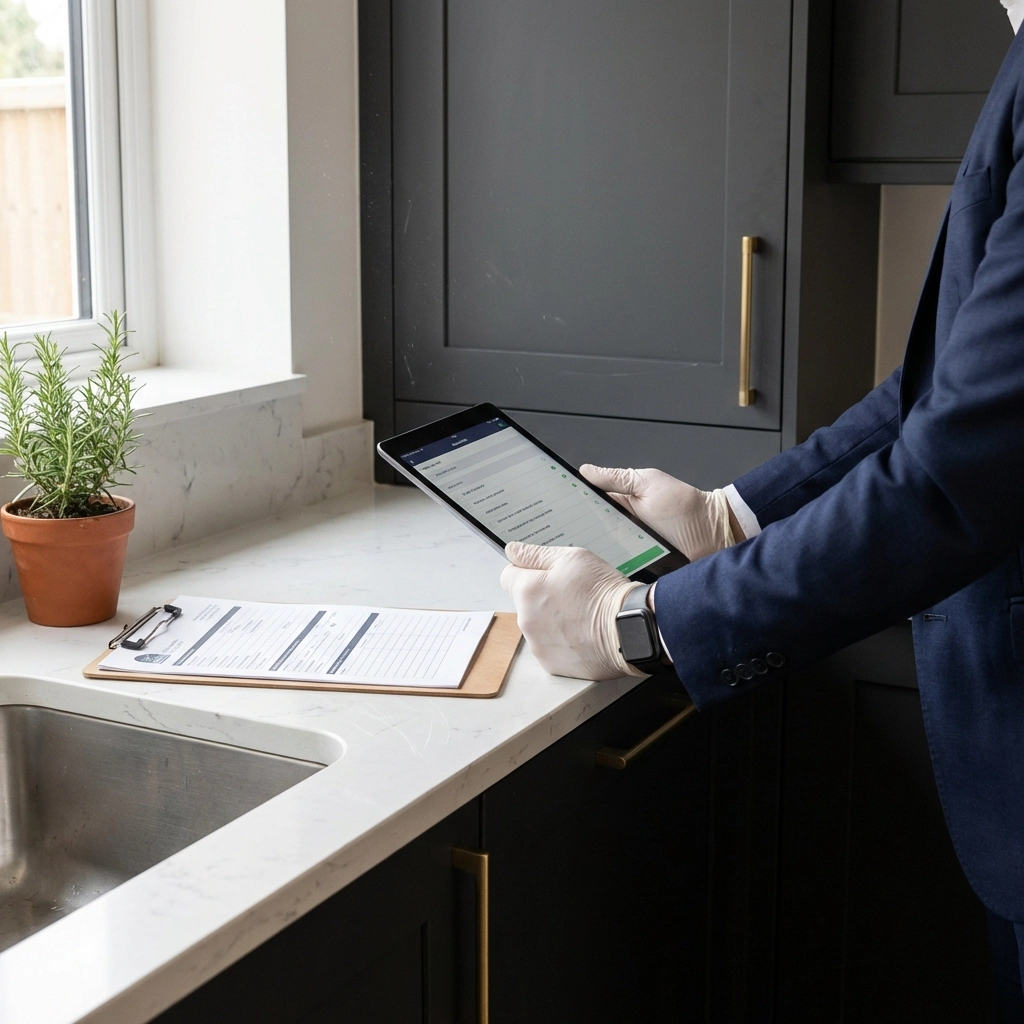
Beyond photographs, the written descriptions in your inventory require revision. A kitchen worktop described as "good condition with minor surface marks" in 2023 may present very differently in 2026.
Key areas requiring reassessment:
-
Flooring: Carpets, laminate, and hardwood all show wear patterns over extended periods. Document compression, staining, scratches, and any repairs made during the tenancy.
-
Paintwork: Note any scuffs, marks, or fading. Be specific about locations and severity.
-
Bathroom fixtures: Grouting, sealant, taps, and sanitary ware deteriorate with daily use. Record current condition accurately.
-
Kitchen units and worktops: Hinges loosen, surfaces scratch, and handles wear. A detailed assessment prevents future disagreements.
-
Windows and doors: Check operation, note any sticking mechanisms, and document weathering to frames.
The professional approach:
Condition assessments require consistency and objectivity. Using standardised terminology: such as "good," "fair," "poor," or "damaged": ensures clarity. Experienced inventory clerks apply these descriptors uniformly, creating documentation that remains defensible regardless of who reviews it.
Update 3: Appliance and Utility System Audits
Properties typically include numerous appliances and systems that require monitoring over extended tenancies. Your inventory should reflect their current operational status, not their condition at the tenancy's commencement.
Essential checks include:
- Boiler: Note the last service date, current operation, and any reported issues
- Smoke and carbon monoxide detectors: Confirm presence, test functionality, and record battery status
- Electrical items: Ovens, hobs, extractors, washing machines, and refrigerators should all be tested and their condition documented
- Heating systems: Radiators, thermostats, and timers require operational verification
Documentation requirements:
Record make, model, and serial numbers where possible. Note any repairs or replacements made during the tenancy, ideally with supporting documentation such as invoices or engineer reports.
For landlords managing technology-dependent properties: those with smart home systems, networked security, or integrated entertainment setups: consider consulting specialists. IT and Consultancy can assist with technical audits where required, ensuring complex systems are properly documented.
Update 4: Compliance and Safety Documentation Updates
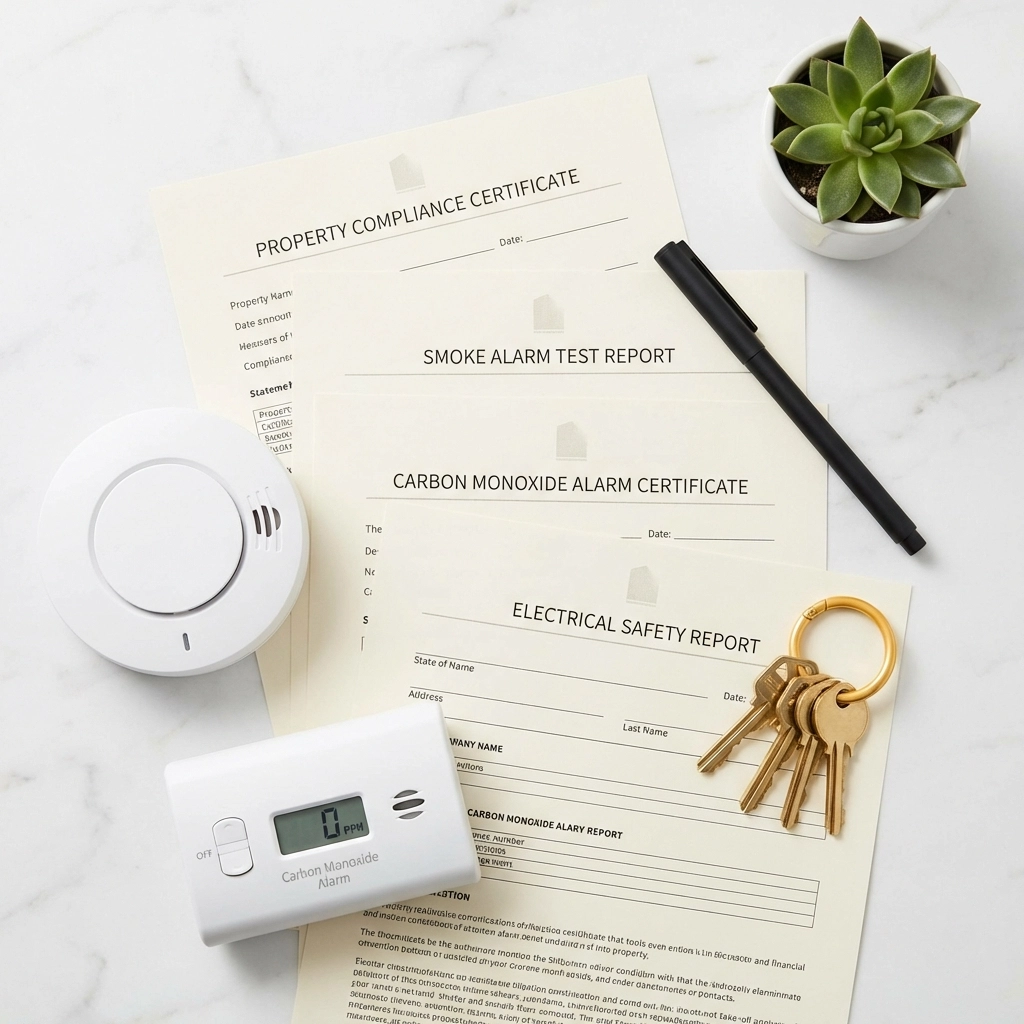
Regulatory requirements evolve, and your inventory should reflect current compliance standards rather than those applicable when the tenancy began.
Critical compliance areas:
- Gas Safety Certificate: Annual requirement: ensure the most recent certificate is referenced in your updated inventory
- Electrical Installation Condition Report (EICR): Now mandatory for all tenancies, with five-yearly renewal requirements
- Energy Performance Certificate (EPC): Minimum rating requirements have tightened; confirm your property meets current standards
- Fire safety: Furniture and furnishings must comply with fire safety regulations; document compliance for all items provided
- Legionella risk assessment: While not always mandatory, documenting assessment completion demonstrates due diligence
Why include compliance in your inventory:
Linking compliance documentation to your inventory creates a comprehensive property record. Should disputes arise, demonstrating that safety requirements were met throughout the tenancy strengthens your position considerably.
Property managers overseeing multiple units benefit particularly from this approach. Centralised documentation, updated at regular intervals, reduces administrative burden whilst ensuring nothing falls through the cracks.
Update 5: Wear and Tear Baseline Adjustments
Perhaps the most nuanced update involves recalibrating your wear and tear expectations.
The law recognises that properties experience "fair wear and tear" during occupation. Tenants cannot be held responsible for the natural deterioration that occurs through normal use. However, distinguishing between acceptable wear and actionable damage requires an updated baseline.
Establishing a new baseline:
- Document the expected condition of items given their age and usage
- Note manufacturer lifespans for appliances and fixtures
- Record any items approaching end-of-life that may require replacement regardless of tenant behaviour
- Adjust descriptions to reflect realistic expectations for the remaining tenancy period
Practical example:
A carpet installed new at tenancy commencement will show different wear characteristics after 1,000 days than it did initially. Describing it as "showing wear consistent with three years' regular use" establishes a fair baseline for future comparison. Attempting to charge a tenant for this natural deterioration at check-out would likely fail at adjudication.
Professional inventory services understand these distinctions intimately. Our experienced clerks apply industry knowledge to create documentation that is both accurate and realistic, protecting landlords whilst treating tenants fairly.
Implementing Your Update Strategy
For properties with tenancies exceeding 1,000 days, we recommend the following approach:
- Schedule a mid-tenancy inspection with appropriate notice to the tenant (minimum 24 hours, though 48 hours demonstrates courtesy)
- Commission a professional inventory update rather than attempting self-documentation
- Share the updated inventory with all parties, obtaining signatures where possible
- Store documentation securely alongside the original inventory and any previous updates
- Set calendar reminders for subsequent updates at regular intervals

Quarterly inspections provide opportunities for informal monitoring, but comprehensive inventory updates are best conducted annually for long-term tenancies.
The Value of Professional Documentation
Attempting inventory updates without professional support often proves false economy. Inconsistent terminology, missed details, and inadequate photography undermine the documentation's value precisely when you need it most.
Evestaff Property Inventory Clerks has served landlords, property managers, and letting agencies across London and Kent since 2012. Our meticulous approach, leveraging modern technology and highly experienced clerks, ensures your property documentation meets the highest standards.
Whether you require a comprehensive mid-tenancy update or wish to discuss ongoing inspection schedules, our team is ready to assist. Get in touch to discuss your requirements, or explore our service areas to find coverage near your property.
Long-term tenancies represent valuable relationships worth protecting. Proper documentation ensures those relationships remain positive from check-in through to check-out( however many days that journey may take.)
Join The Discussion