

The rental landscape has shifted considerably in 2026. With tighter regulations, rising maintenance costs, and tenants who are more informed than ever about their rights, the margin for error in property management has shrunk dramatically.
Yet many landlords continue to make the same inventory and documentation mistakes that cost them thousands of pounds each year. Whether you manage a single buy-to-let in Canterbury or oversee a portfolio across London and Kent, these errors can quietly drain your profits and leave you exposed in disputes.
Let's examine the most expensive inventory mistakes landlords are making right now: and how to avoid them.
Failing to Document Property Condition at Check-In
This remains the single most costly mistake a landlord can make. Without comprehensive photographic evidence and detailed written records from the start of a tenancy, you're essentially operating blind when it comes to deposit disputes.
The Tenancy Deposit Scheme continues to report that the majority of disputes they adjudicate come down to one simple question: what was the property's condition at the start? If you cannot prove pre-existing damage versus tenant-caused wear, the adjudicator will almost always rule in the tenant's favour.

Consider the numbers. The average deposit deduction claim in England now exceeds £800. Without proper documentation, you could lose that entire sum: plus face the administrative headache and reputational damage of a prolonged dispute.
What to do instead: Commission a professional inventory report before every tenancy begins. Ensure it includes timestamped photographs of every room, close-ups of any existing damage, and detailed descriptions of fixtures, fittings, and furnishings. This document becomes your legal evidence should any dispute arise.
Inadequate Photographic Evidence
Taking a few quick snaps on your phone doesn't constitute proper documentation. Blurry images, poor lighting, and missing angles create gaps that tenants and adjudicators will exploit.
In 2026, the standard of evidence expected has risen considerably. Dispute resolution services now expect:
- High-resolution images with clear timestamps
- Photographs of every wall, floor, ceiling, and fixture
- Close-up shots of any pre-existing damage, no matter how minor
- Images of meter readings, smoke alarms, and safety equipment
- Documentation of appliance conditions and serial numbers
A single missed photograph of a scratched worktop could cost you £300 in replacement claims you cannot defend against.
Ignoring the Appliance Documentation Requirements
Here's where 2026 regulations have caught many landlords off guard. The obligations around appliance provision and maintenance have tightened significantly, and inventory practices need to reflect this.
You must now maintain detailed records of all appliances provided with the property, including:
- Make, model, and serial numbers
- Installation dates
- Service and maintenance history
- Recall status checks
A broken cooker or faulty refrigerator is no longer simply a maintenance issue: it's potentially a habitability breach that could justify rent withholding or formal complaints to your local authority. Tenants are increasingly aware of their rights, and "I'll get round to it next week" is no longer an acceptable response.

The smart approach: Build appliance audits into your inventory process. Before each tenancy, verify that all appliances are functioning correctly, check them against recall databases, and document everything. This protects you legally and demonstrates professionalism to incoming tenants.
Deferring Maintenance to Save Money
The false economy of deferred maintenance continues to catch landlords out. That slow drip under the kitchen sink? Left for six months, it becomes mould growth, subfloor damage, and a repair bill that dwarfs the original £80 plumber's call-out.
Industry data shows maintenance costs increased by approximately 12% between 2023 and 2024, with further increases of 4-6% anticipated through 2026 depending on property type. The skilled tradesperson shortage isn't easing, meaning wait times are longer and emergency call-outs are pricier.
When your inventory report flags a maintenance issue, address it promptly. A detailed check-out report that notes deterioration you failed to remedy will undermine any deposit claim you make: and could expose you to counterclaims from tenants.
Best practice: Maintain an emergency fund of £5,000-£10,000 for unexpected repairs. Conduct mid-term inspections to catch issues early. Document every repair with photographs and receipts: this evidence protects you in disputes and demonstrates responsible property management.
Inconsistent Check-Out Procedures
Your check-out report needs to mirror your check-in report precisely. Using different formats, different clerks with different standards, or different documentation methods creates inconsistencies that weaken your position.

Adjudicators compare these documents side by side. If your check-in report uses one terminology and your check-out report uses another, you're creating unnecessary ambiguity. If your check-in was conducted by a professional and your check-out was a quick walkthrough you did yourself between viewings, the difference in quality will be obvious.
Consistency matters. Use the same inventory service for check-ins and check-outs. Ensure reports follow identical formats. This creates a clear narrative that's difficult to dispute.
Relying on Generic Templates
Downloaded inventory templates from the internet might save you £100 today, but they could cost you thousands tomorrow. Generic templates rarely account for:
- Property-specific features and fixtures
- Local authority requirements
- The particular documentation standards expected in dispute resolution
- Industry best practices that evolve with regulations
Professional inventory clerks understand what adjudicators look for. They know which details matter and which angles to photograph. They've seen thousands of disputes and know exactly how to document a property to protect your interests.
Failing to Update Inventories for Furnished Properties
If you provide furnished accommodation, your inventory obligations are significantly more complex. Every item of furniture needs documenting: condition, brand, approximate value, and location.
Tenants damage furniture. It happens. But without a detailed furniture schedule with supporting photographs, proving that the coffee table was pristine at check-in becomes nearly impossible. And furniture claims often represent some of the highest-value deposit disputes.
For furnished properties, consider commissioning a specialist furniture inventory that supplements your main property report. The additional cost is minimal compared to the protection it provides.
Not Keeping Pace with Regulatory Changes
Property regulations in England have evolved rapidly, and 2026 has brought further changes around energy efficiency, safety standards, and tenant rights. Your inventory practices need to reflect these requirements.
For instance, your inventory should now document:
- Energy Performance Certificate ratings
- Gas Safety Certificate compliance
- Electrical Installation Condition Report status
- Smoke and carbon monoxide alarm positions and functionality
- Any licensing requirements specific to your property or area
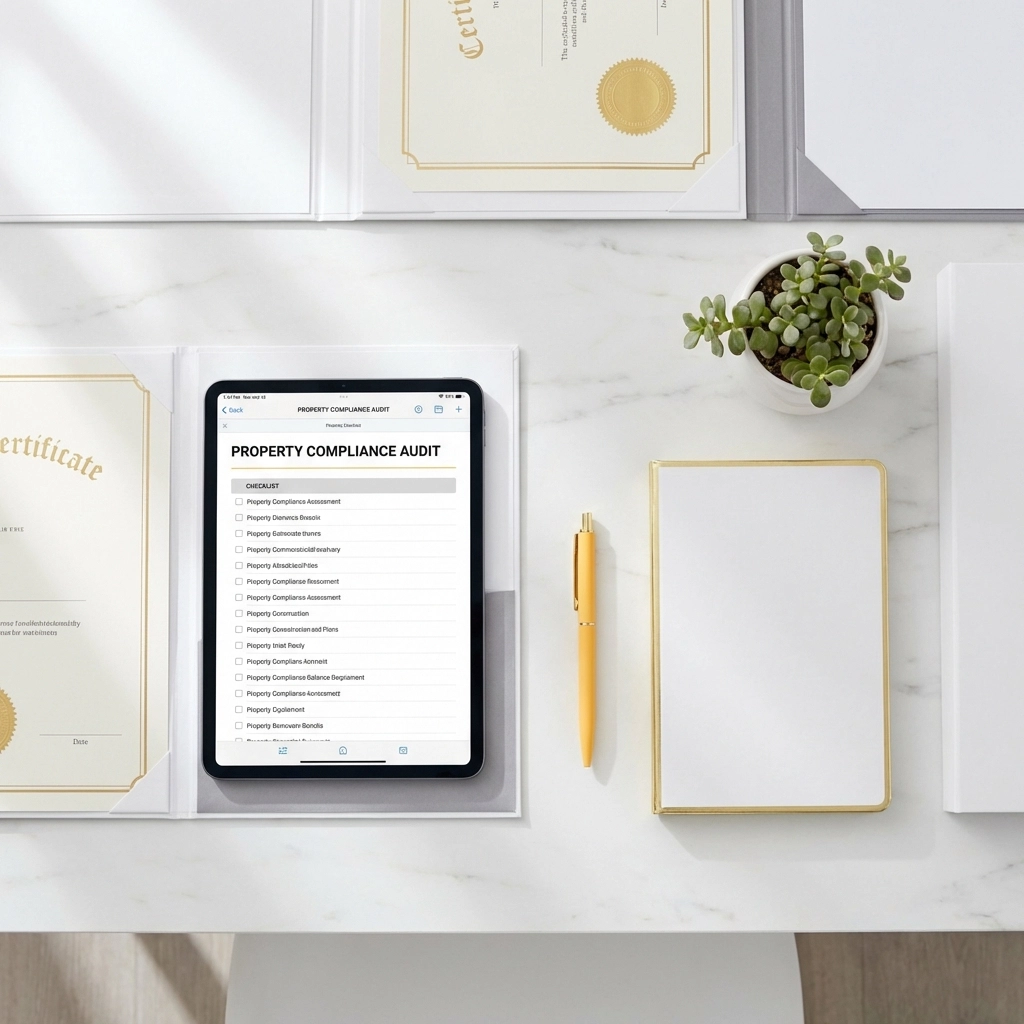
Failing to document compliance exposes you to regulatory penalties and weakens your position in any tenant dispute. A comprehensive inventory demonstrates you take your legal obligations seriously.
The Real Cost of DIY Inventories
Many landlords attempt to conduct their own inventories to save money. The logic seems sound: you know your property better than anyone, and you'll save the professional fee.
However, self-conducted inventories carry significant risks:
- Perceived bias: Adjudicators view landlord-produced reports with scepticism
- Inconsistent standards: Without training, you may miss critical details
- Time cost: A thorough inventory takes hours to complete properly
- Legal exposure: Errors can void your ability to make legitimate claims
The professional fee for an inventory report: typically £80-£150 depending on property size: represents insurance against disputes worth thousands of pounds.
Protecting Your Investment in 2026
The rental market rewards landlords who take documentation seriously. Proper inventories protect your deposit claims, demonstrate professionalism to tenants, and provide the evidence you need when things go wrong.
If you're managing properties across London, Kent, or the surrounding areas, working with experienced inventory clerks who understand local requirements and current regulations makes a significant difference. Since 2012, Evestaff Property Inventory Clerks has built its reputation on meticulous, precision-focused documentation using modern technology: exactly what 2026's regulatory environment demands.
Don't let avoidable inventory mistakes drain your rental income this year. The cost of getting it right is always less than the cost of getting it wrong.
Join The Discussion