

Mid-tenancy inspections have become an essential checkpoint in property management. Whether you're a landlord overseeing a single buy-to-let or a letting agent managing a portfolio across London and Kent, getting these inspections right protects your investment and maintains positive tenant relationships.
With regulatory changes and evolving tenant expectations in 2026, the approach to mid-tenancy checks has shifted considerably. This guide walks you through best practices, from preparation through to documentation, ensuring you conduct inspections that are thorough, compliant, and professional.
Why Mid-Tenancy Inspections Matter More Than Ever
A mid-tenancy inspection serves a dual purpose: it verifies the property's condition and confirms compliance with lease terms. Typically conducted once or twice annually, these checks allow you to identify maintenance issues before they escalate into costly repairs.
In 2026, the emphasis on tenant rights and property standards means inspections must balance thoroughness with respect for occupants. Done well, they demonstrate your commitment to maintaining a safe, habitable property. Done poorly, they can damage tenant relationships and leave you exposed to disputes down the line.
The key is preparation. Random, disorganised inspections create stress for everyone involved and often miss critical issues. A systematic approach, on the other hand, builds trust and captures the detail you need.

Providing Proper Notice
Before you even think about crossing the threshold, ensure you've given appropriate notice. In England, landlords must provide at least 24 hours' written notice before entering a property, though many professionals recommend 48 hours as standard courtesy.
Your notice should clearly state:
- The date and approximate time of the inspection
- The purpose of the visit
- Who will be attending
- Contact details for rescheduling if necessary
Document that you've sent this notice. An email with a read receipt or a text message provides a useful paper trail should questions arise later.
Preparing Your Inspection Checklist
Walking into an inspection without a structured checklist is like navigating London without a map: you'll get there eventually, but you'll miss important details along the way.
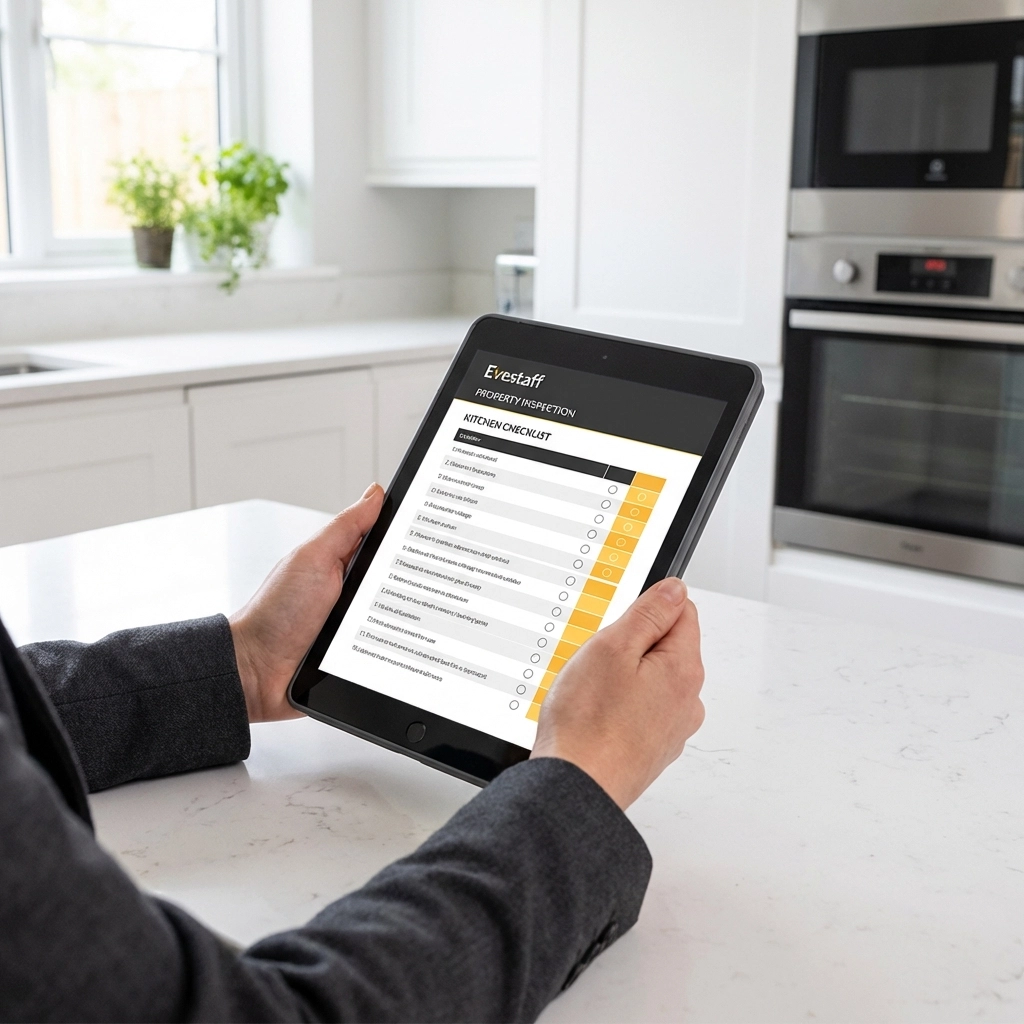
Your checklist should cover every area of the property systematically. Consider organising it by room, then by category within each space. This approach ensures consistency across inspections and makes comparing conditions over time straightforward.
Interior priorities to include:
- Plumbing fixtures: check under sinks for leaks, test water pressure, and verify toilets flush correctly
- Smoke and carbon monoxide detectors: confirm these are present, positioned correctly, and fully functional
- Heating systems: test that radiators heat up and thermostats respond appropriately
- Walls, floors, and ceilings: note any holes, deep scratches, water stains, or unauthorised decorating
- Windows and doors: ensure locks operate smoothly and seals remain intact
- Supplied appliances: verify everything works and is reasonably maintained
Exterior areas to assess:
- Guttering and drainage: clear of debris and flowing correctly
- Roof condition: visible tiles intact, no obvious damage
- External walls and foundation: check for cracks or damp patches
- Garden and pathways: reasonable upkeep maintained
Having this checklist prepared before arrival allows you to focus on observation rather than trying to remember what to look for.
Conducting the Inspection Professionally
Arrive on time. This sounds obvious, but punctuality sets the tone for the entire visit. If you're running late, inform the tenant immediately.
During the inspection, maintain a professional but approachable demeanour. Remember, this is someone's home. Ask before opening cupboards or accessing storage areas. Explain what you're checking and why: transparency reduces tenant anxiety and often encourages them to flag issues they've noticed.
Pay particular attention to signs of lease compliance. Inspectors typically look for:
- Unauthorised pets
- Evidence of smoking indoors
- Signs of subletting or additional occupants
- Pest infestations, particularly bed bugs
These issues require delicate handling. Document what you observe factually, without confrontation during the visit itself. Address concerns through proper channels afterwards.
Documentation: The Foundation of Professional Property Management
Thorough documentation transforms a mid-tenancy inspection from a routine visit into a valuable asset. Should disputes arise at the end of a tenancy, your records become the evidence that protects both parties.
Best practice documentation includes:
- Timestamped photographs of every room
- Close-up images of any damage or areas of concern
- Video walkthroughs for comprehensive coverage
- Written notes describing conditions in detail
- Comparison against the original check-in inventory
Modern property management increasingly relies on digital documentation. Cloud-based systems ensure records are secure, accessible, and properly dated. This technology has become standard among professional inventory clerks, providing an audit trail that handwritten notes simply cannot match.
If you're managing multiple properties, consistent documentation formats make portfolio-wide analysis possible. You can identify patterns: perhaps a particular property type shows recurring damp issues, or certain tenant demographics maintain properties exceptionally well.

Addressing Issues Discovered During Inspection
Finding problems during a mid-tenancy check is actually a positive outcome: it means you've caught issues before they worsen. How you respond determines whether the inspection strengthens or damages the landlord-tenant relationship.
For maintenance issues:
Acknowledge the problem, provide a realistic timeframe for resolution, and follow through. If a tenant reports a leaking tap and you observe it during inspection, arrange repairs promptly. Quick action demonstrates reliability and encourages tenants to report future issues early.
For lease compliance concerns:
Document thoroughly before raising the matter. A photograph of an unauthorised pet or evidence of smoking provides necessary support for any subsequent conversation. Approach these discussions privately, after the inspection concludes, referencing the specific lease terms involved.
For pre-existing damage:
Compare current conditions against your original inventory. If damage predates the current tenancy, your records should clearly show this. Without proper check-in documentation, distinguishing old damage from new becomes nearly impossible.
The Value of Professional Inventory Services
Many landlords and letting agents conduct their own mid-tenancy inspections, and for straightforward properties, this approach works adequately. However, professional inventory services offer advantages that become increasingly valuable as portfolios grow or disputes become more likely.
Independent inventory clerks provide impartiality that in-house inspections cannot. Their reports carry weight in deposit disputes precisely because they have no financial interest in the outcome. Their experience means they know exactly what to document and how to present findings for maximum clarity.
At Evestaff Property Inventory Clerks, our team has conducted thousands of inspections across London and Kent since 2012. We combine meticulous attention to detail with modern documentation technology, producing reports that stand up to scrutiny. Our experienced clerks understand what adjudicators look for when disputes reach formal resolution.
For properties where the stakes are higher: premium rentals, corporate lets, or situations with difficult histories: professional documentation provides insurance that far outweighs the cost.
Planning Your Inspection Schedule
Consistency matters. Tenants who know to expect inspections every six months can prepare accordingly, reducing friction and improving outcomes for everyone.
Build your inspection schedule at the start of each tenancy. Note dates in your property management system and set reminders for notice periods. This proactive approach prevents inspections from slipping through the cracks during busy periods.
Consider seasonal timing carefully. Winter inspections reveal heating system issues before cold weather makes them critical. Summer visits allow exterior assessments in good light.
Final Thoughts
Mid-tenancy inspections in 2026 require more care and professionalism than ever before. Regulatory expectations have risen, tenant awareness has increased, and the consequences of poor documentation have become more apparent.
By following a structured approach: proper notice, comprehensive checklists, professional conduct, and thorough documentation: you protect your investment while maintaining positive tenant relationships.
Whether you handle inspections yourself or engage professional support, the principles remain the same: preparation, consistency, and meticulous record-keeping.
For landlords and agents across London and Kent seeking expert inventory services, our team at Evestaff delivers the precision-focused documentation that modern property management demands. Get in touch to discuss how we can support your inspection requirements.
Join The Discussion