

Deposit disputes are one of the most frustrating aspects of property management. You know the property was immaculate when your tenant moved in, but without a comprehensive check-in report, you're left arguing your case with little more than memory and goodwill. The result? You either lose the dispute or spend hours compiling evidence you should have captured months ago.
The truth is, most deposit disputes stem not from malicious tenants, but from inadequate check-in documentation. A property check in report isn't just bureaucratic paperwork: it's your legal foundation for tenancy deposit protection and dispute resolution. When done properly, it eliminates ambiguity. When rushed or incomplete, it costs you money, time, and credibility.
Here are the seven most costly mistakes landlords make with check-in reports, and more importantly, how to avoid them.
1. Rushing Through the Inspection Without Proper Preparation
You're busy. The tenant is waiting. The keys need handing over. So you grab a clipboard, do a quick walk-through, and call it done. This approach guarantees problems later.
Lack of preparation often stems from underestimating the check-in report's purpose. It's not a formality: it's a detailed record that may be scrutinised by deposit protection schemes months or years down the line. Without a systematic approach, you'll miss critical details that become contentious later.
The cost: When disputes arise, adjudicators favour detailed, contemporaneous evidence. A rushed report with vague entries like "kitchen: good condition" won't stand up against a tenant's counter-claim. You'll lose deductions you're legitimately entitled to because you can't prove the damage wasn't pre-existing.
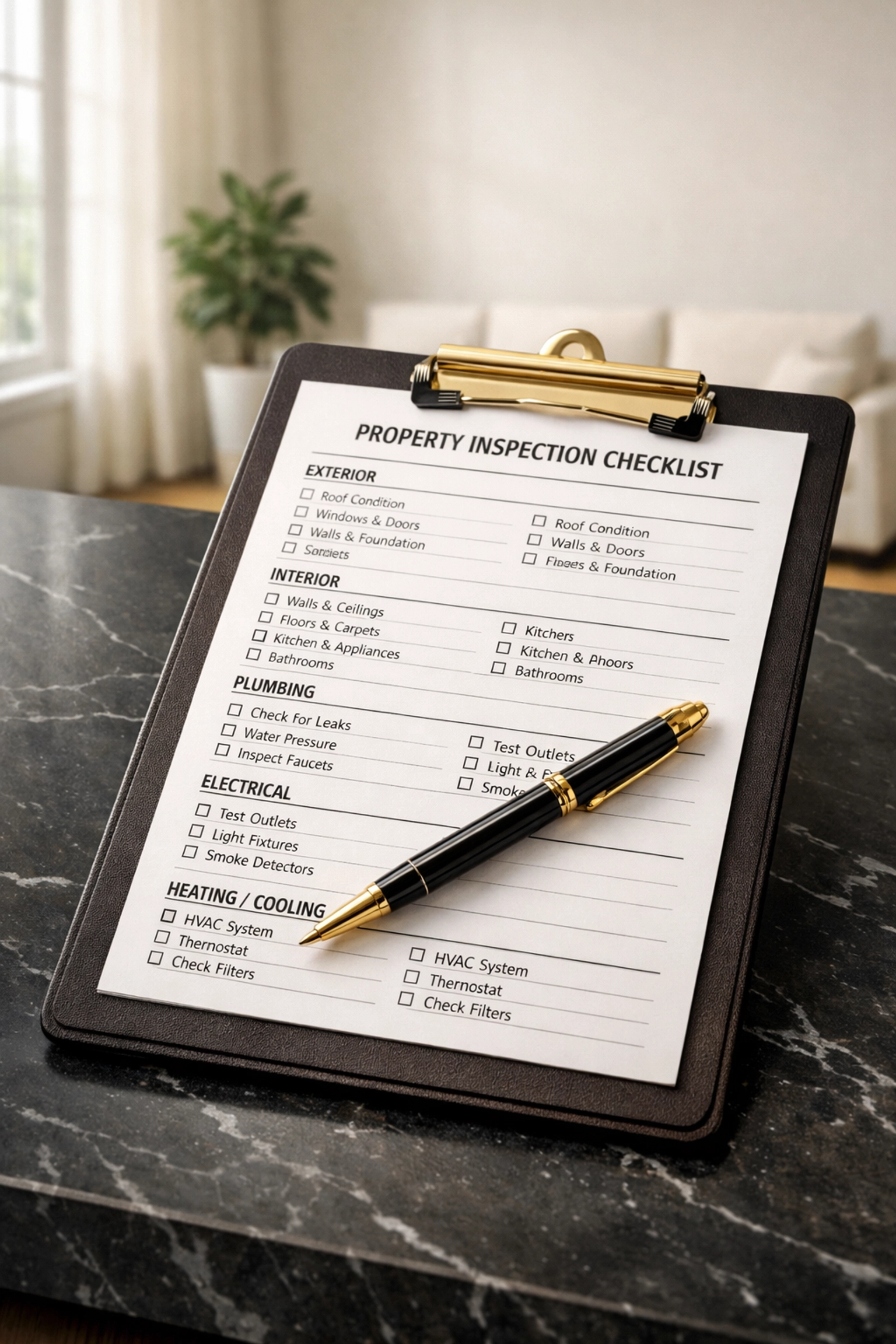
The solution: Use a comprehensive checklist that covers every room, fixture, and fitting. Block out sufficient time: typically 90 minutes to two hours for an average property. Professional inventory clerks exist precisely because this task requires methodology and attention to detail.
2. Failing to Document Property Condition with Sufficient Detail
"The living room carpet is in acceptable condition." This type of vague description appears in countless check-in reports, and it's utterly useless in a dispute.
Acceptable to whom? What constitutes acceptable? Were there existing stains, wear patterns, or discolouration? Without specificity, you're creating a dispute waiting to happen.
The cost: Deposit protection schemes consistently rule in favour of tenants when landlords provide generalised descriptions. If you can't demonstrate that specific damage occurred during the tenancy: rather than being pre-existing: you won't recover deduction costs. This includes everything from carpet cleaning to wall repainting.
The solution: Adopt descriptive, objective language. Instead of "acceptable," document precisely what you observe: "Beige wool-blend carpet showing light traffic wear in doorway area, approximately 30cm from threshold. Two small stains present near window (approx. 5cm diameter each), likely coffee or tea. No odours detected."
Specificity transforms your report from subjective opinion to factual record. It's the difference between winning and losing disputes.
3. Neglecting Photographic and Video Evidence
You've written a detailed report, but you haven't taken any photographs. When the tenant disputes your claim about kitchen worktop damage, you have descriptions: but no visual proof.
Photographs and videos aren't optional extras; they're essential components of modern property documentation. Written descriptions capture detail, but images provide indisputable evidence of condition.
The cost: Without visual evidence, disputes become "your word against theirs." Adjudicators increasingly expect photographic proof, particularly for damage claims exceeding £100. If you can't produce images, you'll likely lose the dispute regardless of how detailed your written report is.
The solution: Photograph every room from multiple angles. Capture close-ups of existing damage, wear, or defects. Include date-stamped images showing meter readings, appliance condition, and any unique features. Video walk-throughs provide additional context that static images can't convey.
Store all media securely with clear file naming conventions. A professional inventory clerk will produce hundreds of images per property, ensuring comprehensive visual documentation that stands up to scrutiny.

4. Excluding the Tenant from the Check-In Process
You conduct the inspection before the tenant moves in, thinking you're being efficient. The tenant never sees the report until they receive their keys. Three months later, they dispute your description of bathroom tile grouting, claiming the discolouration was already present.
Without tenant involvement, you've created an adversarial foundation from day one. The tenant hasn't agreed to the property's documented condition, making disputes far more likely.
The cost: When tenants don't participate in check-in inspections, they're more likely to contest findings. Adjudicators view reports signed by both parties as significantly more credible than landlord-only documentation. You'll face longer, more contentious disputes that damage tenant relationships and consume management time.
The solution: Schedule the check-in inspection when the tenant can attend, ideally on move-in day. Walk through the property together, addressing any concerns immediately. Provide the tenant with a copy of the completed report and request their signature acknowledging they've reviewed and agreed to the documented condition.
This collaborative approach prevents misunderstandings and establishes clear expectations from the outset. When both parties have agreed to baseline conditions, disputes become far less common.
5. Omitting Items from Your Inventory
Your check-in report meticulously documents the property's condition but fails to list the IKEA coffee table in the living room. The tenant moves out, the table is missing, but you can't prove it was ever there. You've just lost £150 because of incomplete documentation.
The cost: Missing inventory items translate directly to financial losses. Without documented proof that items existed at check-in, you cannot deduct replacement costs from the deposit. Even if the tenant acknowledges the item existed, deposit protection schemes require contemporaneous evidence.
The solution: Create a comprehensive inventory listing every item provided with the property. Include descriptions (brand, model, colour, condition), photographs, and serial numbers for appliances and electronics. Don't overlook smaller items: light bulbs, remote controls, keys, curtain hooks: these disappear frequently and accumulate costs.
Professional property inventory services typically document 100-300+ individual items per property, depending on furnishing levels. This granular approach ensures nothing is overlooked.

6. Approaching Inspections with Preconceived Expectations
Your previous tenant was exemplary. The property should be fine. This assumption leads to cursory inspection, and you miss the cracked bathroom tile, the loose door handle, and the malfunctioning oven light.
Confirmation bias is dangerous in property inspections. When you expect to find nothing wrong, you see nothing wrong: until the next tenant moves in and immediately reports multiple issues that you failed to document.
The cost: Undocumented pre-existing issues become your responsibility to fix during the tenancy, often at inconvenient times. Worse, when the current tenant moves out, you can't distinguish between damage they caused and issues that existed before their occupancy. You'll absorb repair costs you shouldn't bear, and you'll lose credibility with tenants who question your professionalism.
The solution: Treat every check-in inspection with fresh eyes and systematic rigour. Use standardised checklists that force you to examine every element regardless of your expectations. Test all appliances, check all fixtures, and inspect all surfaces methodically.
This professional approach: what we call "The Perfectionist" methodology at Evestaff Property Inventory Clerks: ensures consistent, thorough documentation regardless of property history or tenant reputation.
7. Ignoring Maintenance and Safety Issues During Check-In
You're focused on documenting condition for deposit protection purposes, but you overlook the flickering hallway light, the dripping tap, and the sluggish bathroom extractor fan. These aren't deposit issues: they're maintenance concerns that will deteriorate and create bigger problems.
The cost: Small maintenance issues escalate into expensive repairs when left unaddressed. That dripping tap becomes water damage. The faulty extractor fan leads to mould growth. When these issues worsen during the tenancy, you face emergency repair costs, potential tenant complaints, and even legal obligations under housing health and safety regulations.
Additionally, failing to note and address these issues at check-in makes it impossible to determine whether tenant neglect contributed to deterioration.
The solution: Use your check-in inspection as a maintenance audit. Document any issues requiring attention, create a remedial action list, and address problems before they escalate. This protects your property investment whilst demonstrating professionalism to tenants.
A comprehensive check-in process identifies approximately 15-20 maintenance items in an average property. Addressing these proactively saves money and preserves property value.

The Professional Difference
These seven mistakes share a common thread: they stem from treating check-in reports as administrative tasks rather than essential legal documentation. The difference between amateur and professional property inventory services isn't just thoroughness: it's understanding how these reports function in deposit disputes, legal proceedings, and property management.
Since 2012, Evestaff has provided meticulous property documentation across London and Kent, combining highly experienced clerks with modern technology to deliver reports that withstand scrutiny. Our check-in reports average 40-60 pages with 200+ photographs, capturing every detail that might become relevant during tenancy or at check-out.
When deposit disputes arise, our clients win because they have comprehensive, professional evidence. When maintenance issues emerge, they're documented from day one. When tenants query property condition, there's no ambiguity: just facts, photographs, and agreed baseline conditions.
The cost of professional inventory services is modest: typically £150-£300 depending on property size. The cost of amateur check-in reports? Potentially thousands in lost deposits, unrecoverable damages, and management time consumed by avoidable disputes.
Your check-in report isn't paperwork. It's protection, clarity, and professionalism in documented form. Make it count.
Join The Discussion