

Deposit disputes are a landlord's worst nightmare. You know the property's been damaged. The tenant insists it was like that when they moved in. And suddenly, you're locked in a back-and-forth with a tenancy deposit scheme adjudicator who wants one thing: evidence.
Here's the truth: adjudicators don't care about your gut feeling or verbal agreements. They care about documentation. And in 2026, with the Renters' Rights Bill reshaping the landscape and Section 21 evictions abolished, your property inventory report is no longer just "nice to have." It's your legal shield.
So what exactly are adjudicators scrutinising when they review your inventory? Let's break down the 15 non-negotiables that separate winning deposit claims from rejected ones.
1. High-Resolution, Time-Stamped Photography
Blurry smartphone snaps won't cut it. Adjudicators need crystal-clear, high-resolution images that capture every detail, from carpet pile direction to paint finish texture. Each photo should include embedded metadata showing the exact date and time it was taken.
Why? Because timestamps prove the condition at check-in. If you're claiming a tenant damaged a worktop, but your only photo is a grainy, undated image, you've already lost.
Professional inventory clerks use commercial-grade cameras with automatic timestamping. This isn't overkill, it's the baseline standard for 2026.

2. Comprehensive Room-by-Room Breakdown
Your report needs methodical structure. Start at the front door and work through every single room systematically. Don't skip the hallway. Don't overlook the airing cupboard.
Each room section should include:
- Wall condition (colour, finish, marks, scuffs)
- Floor surfaces (material, condition, stains)
- Windows and frames
- Light fittings and switches
- Radiators and heating controls
- Furniture (if provided)
Adjudicators dismiss vague reports. "Living room in good condition" means nothing. "Living room: magnolia painted walls, minor scuff mark 15cm above skirting board on north wall, beige carpet with no visible stains" is evidence.
3. Detailed Descriptions Using Standardised Terminology
Consistency matters. Use industry-standard condition descriptors:
- Excellent: as-new condition
- Good: minor signs of use, no damage
- Fair: visible wear appropriate to age, functional
- Poor: significant wear or damage requiring attention
Avoid subjective language. "The kitchen looks a bit tired" isn't useful. "Kitchen: fair condition, laminate worktop showing minor scratches consistent with normal use" gives adjudicators the clarity they need.
4. Meter Readings for All Utilities
Record exact readings for gas, electricity, and water at both check-in and check-out. Include photo evidence of each meter display.
This protects you from utility billing disputes and demonstrates thoroughness, a factor adjudicators consider when assessing overall report credibility. If you've documented meter readings meticulously, they're more likely to trust your damage claims.
5. Smoke Alarm and Carbon Monoxide Detector Testing
This isn't just inventory best practice, it's a legal requirement. Document that all safety devices are present, functional, and tested on the inspection date.
Include:
- Location of each alarm
- Test results (pass/fail)
- Expiry dates where applicable
- Photographic evidence
Failing to document safety equipment can undermine your entire case, regardless of how thorough the rest of your inventory is.

6. Serial Numbers for Appliances and Electronics
Record make, model, and serial numbers for every appliance: boiler, oven, washing machine, dishwasher, TV (if provided), etc.
This serves two purposes. First, it proves the specific items at check-in match those at check-out. Second, it supports insurance claims if items are damaged beyond repair.
Adjudicators appreciate this level of detail. It demonstrates professionalism and makes your entire report more credible.
7. Existing Damage and Wear Fully Catalogued
This is where amateur inventories fail spectacularly. If you don't document existing damage, you cannot later claim the tenant caused it.
Be forensic:
- "Small chip in bathroom sink, front right corner, approximately 2cm diameter"
- "Scratch on bedroom door, vertical, 8cm length, located 30cm from door handle"
- "Red wine stain on living room carpet, circular, 5cm diameter, beneath window"
Include photos of every imperfection. Yes, every single one. This protects both you and the tenant.
8. Garden and External Areas Assessment
Don't limit your inventory to inside the property. External areas: gardens, patios, driveways, bins, boundary fences: need equal attention.
Document:
- Lawn condition (length, bare patches, weeds)
- Plant health and type
- Fence or wall condition
- Paving or decking state
- External lighting
- Bin storage and condition
Garden disputes are increasingly common. Without baseline evidence, you're relying on guesswork.
9. Cleanliness Standards Documented with Evidence
"Property professionally cleaned to a high standard" is meaningless. Show it.
Use the 6-point cleanliness scale:
- Immaculate: professionally deep-cleaned
- Very clean: minimal dust, surfaces wiped
- Clean: acceptable domestic standard
- Lightly soiled: minor dirt accumulation
- Dirty: significant cleaning required
- Filthy: health hazard level
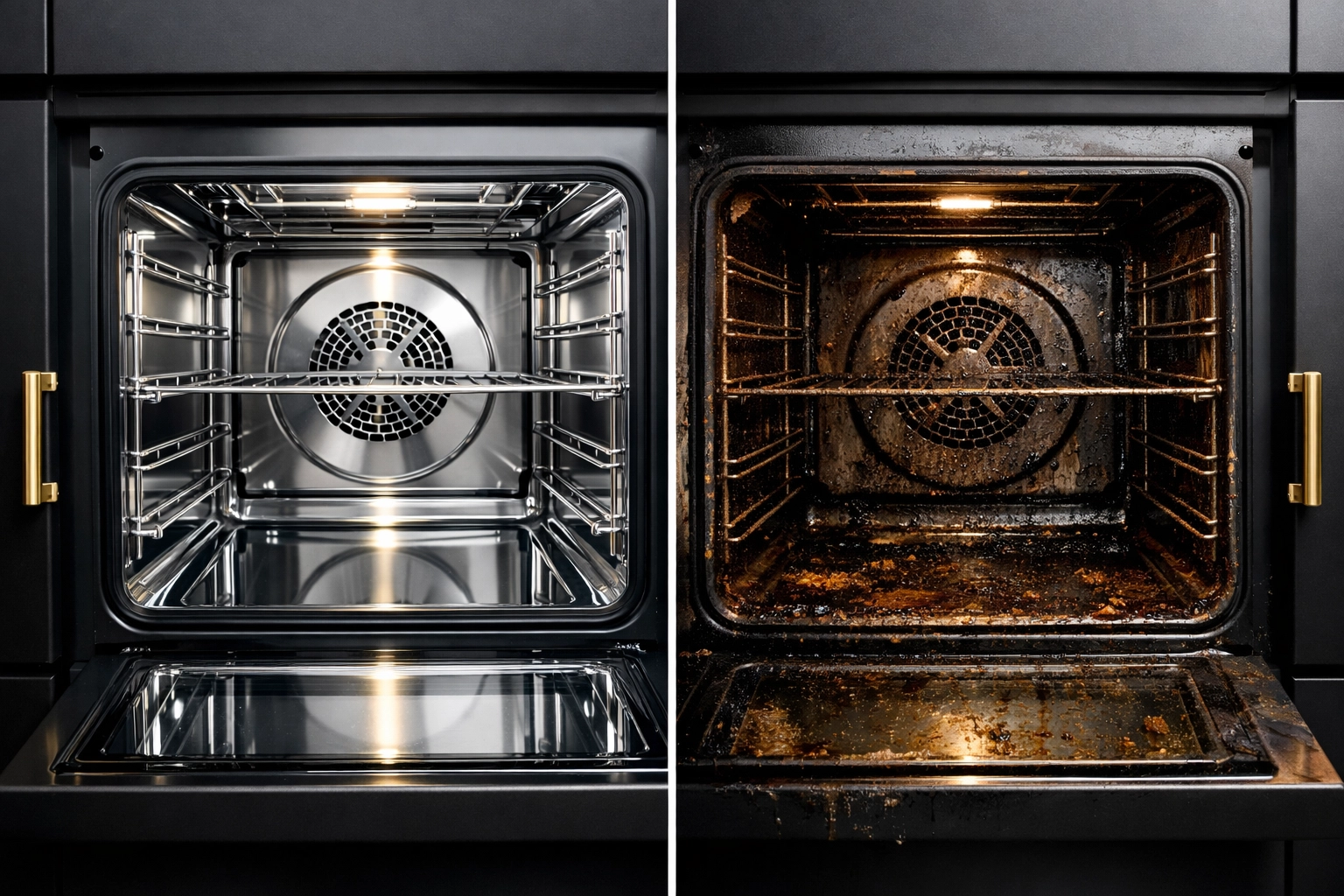
Photograph kitchens (inside ovens, behind appliances), bathrooms (grout, sealant, toilet), and carpets (stains, wear patterns). If you're claiming cleaning costs at check-out, you need check-in evidence proving the original standard.
10. Keys, Fobs, and Access Controls Inventory
List every key, fob, remote control, and access card provided. Specify what each unlocks:
- Front door Yale key (x2)
- Communal entrance fob (x1)
- Garage remote (x1)
- Mailbox key (x1)
Missing keys are one of the most common deposit deductions. If you didn't document what was handed over, adjudicators won't uphold replacement costs.
11. Contents List for Furnished Properties
If you're letting a furnished property, you need an itemised contents list. Not just "sofa, dining table, bed": be specific:
- "IKEA Ektorp 3-seater sofa, beige fabric, good condition, located in living room"
- "Oak veneer dining table, 6-seater, fair condition, minor surface scratches on top"
Include curtains, blinds, cushions, kitchenware, bedding (if provided), artwork: everything. Adjudicators won't award compensation for missing items if you can't prove they existed in the first place.
12. Energy Performance Certificate (EPC) Reference
Include the property's EPC rating and reference number in your inventory. From 2026, minimum energy efficiency standards continue tightening, and tenants are increasingly aware of their rights around property condition.
Documenting this upfront demonstrates compliance and professionalism. It also provides context for any energy-related disputes that arise during tenancy.
13. Floor Plans with Damage Location Markers
Consider including a simple floor plan annotating where specific damage or wear exists. This is especially valuable for larger properties or complex layouts.
"Stain on landing carpet" is ambiguous in a three-storey house. A floor plan with an "X" marking the exact location removes all doubt.
This isn't standard practice yet, but it's becoming more common in premium inventory reports: and adjudicators love the clarity.
14. Check-In Signature and Date from All Parties
Your inventory report must be signed and dated by both the landlord (or agent) and the tenant. Without tenant acknowledgement, disputes become "your word against theirs."
Best practice: provide the tenant with a copy of the full report and allow 7 days for them to raise queries or add notes. If they dispute any condition descriptors at check-in, address it immediately. This protects you later.
Digital signatures with timestamps are now acceptable and increasingly preferred for audit trail purposes.
15. Independent Third-Party Verification
Here's the game-changer: reports prepared by independent, professional inventory clerks carry significantly more weight with adjudicators than landlord-prepared inventories.
Why? Bias. Adjudicators know landlords have a financial interest in claiming deposits. An independent clerk: especially one accredited through professional bodies: provides objective, impartial evidence.
At Evestaff Property Inventory Clerks, we've been providing meticulous, precision-focused property reports across London and Kent since 2012. Our clerks are trained to capture the level of detail adjudicators demand, using modern technology to deliver reports that stand up under scrutiny.
Independent reports consistently achieve higher success rates in deposit disputes. It's not just about what's documented: it's about who documented it.
The Bottom Line
Deposit disputes are won and lost on documentation quality. In 2026, with tenancy laws evolving and tenant awareness at an all-time high, cutting corners on your inventory report isn't just risky: it's financially reckless.
Every one of these 15 elements matters. Miss even a few, and you weaken your entire case. Include them all, and you build an evidence base that's virtually unassailable.
Remember: adjudicators don't take sides. They follow evidence. Give them the evidence they need, and you'll protect your property investment while maintaining fair, transparent relationships with your tenants.
Need a property inventory report that ticks every box? We cover London, Kent, and surrounding areas. Get in touch to discuss how we can help protect your rental income.
Join The Discussion