

Free Property Inventory Template Available Below : but before you download it, you need to understand why even the most comprehensive template could leave you legally vulnerable under the new housing legislation coming into force.
While we're happy to share our basic template to help landlords understand what goes into a proper inventory, the reality is that Awaab's Law and the Renters' Rights Bill 2025 have fundamentally changed the game. What used to be a simple "walkthrough checklist" is now your first line of legal defense in an increasingly regulated rental market.
Awaab's Law: The New Reality for All Landlords
Awaab's Law isn't just affecting social housing anymore. Named after two-year-old Awaab Ishak who tragically died from prolonged mould exposure, this legislation is reshaping how all rental properties must be managed and documented.
The law mandates strict timelines that no amateur inventory can adequately support:
- Emergency hazards must be addressed within 24 hours
- Significant hazards require investigation within 5 working days
- Remedial works must be completed within 12 weeks
- Written summaries must be provided within 3 days of investigation completion
These aren't suggestions: they're legal requirements. And your property inventory is the primary document that proves whether your property was compliant at the start of a tenancy and whether you've met your ongoing obligations.

The Renters' Rights Bill: Raising the Stakes Further
The Renters' Rights Bill 2025 brings sweeping changes that extend far beyond Awaab's Law. It introduces stricter property standards across the board and increases tenant rights to challenge landlords who fail to maintain safe, habitable conditions.
Under this new legislation, landlords must demonstrate proactive management rather than reactive responses. This means your initial inventory isn't just about protecting deposits anymore: it's about proving legal compliance from day one.
The bill also strengthens tenants' ability to pursue compensation for substandard conditions, making comprehensive documentation more critical than ever before.
Why Your "Free Template" Could Cost You Thousands
Here's what most landlords don't realize about those downloadable inventory templates floating around online: they're missing the technical details that matter most in legal disputes.
The Photo Metadata Problem
Tenancy deposit schemes require all photographic evidence to be properly dated and time-stamped with verifiable metadata. Your smartphone photos might look professional, but without proper documentation protocols, they can be challenged in adjudication.
A basic template won't teach you that photos need to be taken in specific sequences, with consistent lighting conditions, and backed up with detailed written descriptions that align precisely with what's shown in each image.
Written Descriptions Trump Visual Evidence
This is the crucial detail most DIY landlords miss: the written word overrides imagery in deposit disputes. An adjudicator will often give more weight to a detailed written description than to a photograph, especially if there's any discrepancy between the two.
If your template lists an item as "good condition" but the photo shows wear that you missed in your description, you've just undermined your own evidence. Professional inventory clerks understand how to write descriptions that are both accurate and protective.

The Hidden Time Bomb: How Long Does a Real Inventory Take?
Here's the reality check that stops most landlords in their tracks: a decent and detailed inventory takes up to 6 hours onsite without a professional methodology.
That's 6 hours of crawling around measuring, photographing, and documenting every surface, fitting, and potential issue. And that's before you factor in the backend work.
The Write-Up Reality
Once you've finished the on-site inspection, you need another 6 hours minimum to properly write up your findings. This includes:
- Cross-referencing all photographs with written descriptions
- Ensuring consistent terminology throughout the document
- Checking for completeness and accuracy
- Formatting for legal compliance
- Creating backup copies with proper version control
Most landlords abandon their DIY inventory halfway through the write-up phase when they realize the complexity involved.
Professional Methodology: Why Experience Matters
Professional inventory clerks don't just work faster: they work smarter. We've developed systematic approaches that ensure nothing gets missed while maintaining legal compliance standards.
Our methodology includes:
- Standardized inspection sequences that prevent overlooked areas
- Pre-approved terminology that holds up in legal proceedings
- Integrated photography protocols that create admissible evidence
- Quality assurance procedures that catch errors before finalization
This isn't just about speed: it's about creating documents that protect your interests when challenged.
The Awaab's Law Inspection Requirements
Under Awaab's Law, your inventory must now identify potential health hazards that could develop into serious issues. This includes:
- Ventilation assessments in all rooms, particularly bathrooms and kitchens
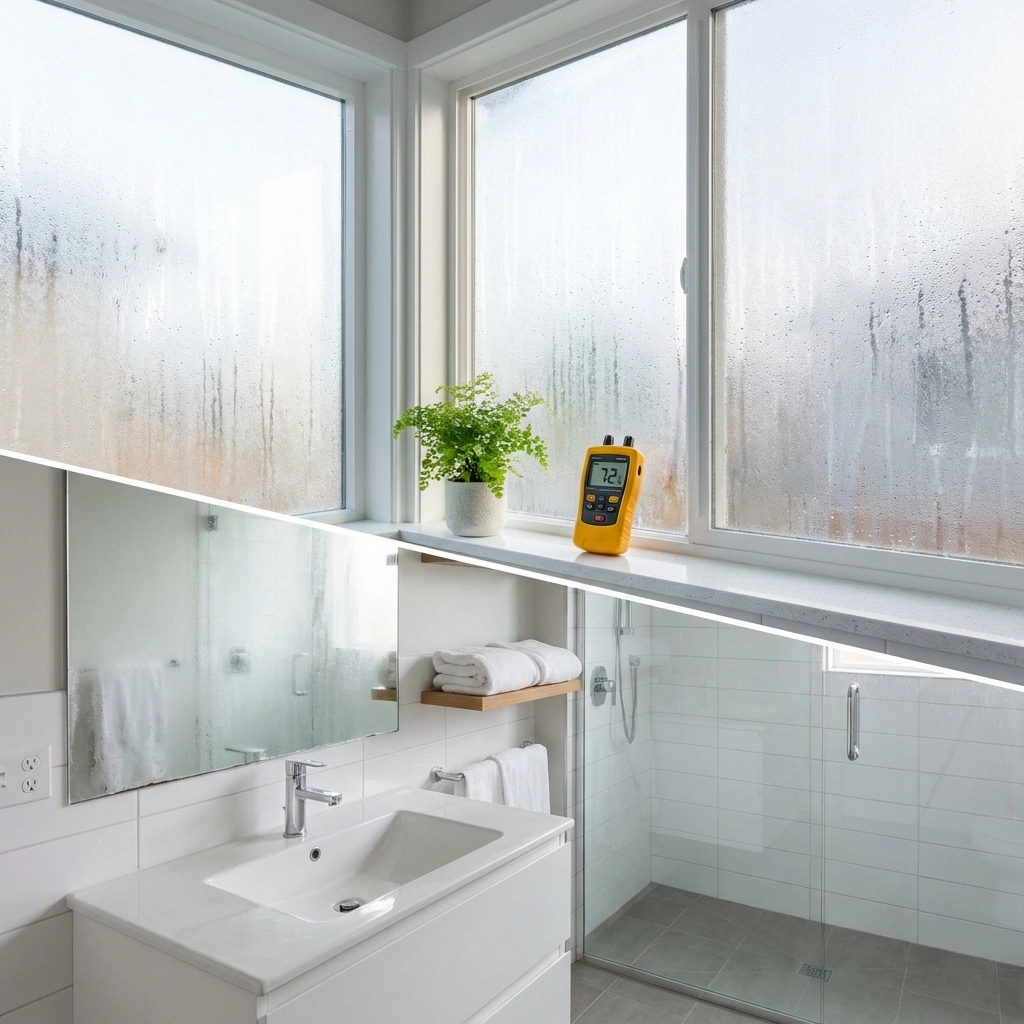
- Damp and moisture checks including areas where condensation might accumulate
- Structural assessments for potential water ingress points
- Heating system evaluations to prevent condensation-related mould growth
A generic template simply can't guide you through these specialized assessments. Missing a potential damp issue in your initial inventory could leave you liable for emergency remediation costs under the 24-hour rule.
Social Housing and Private Rentals: The Same Standards Apply
Don't assume Awaab's Law only affects social housing providers. The legislation is progressively extending to cover all rental properties, with enforcement timelines accelerating as local authorities receive additional powers.
By 2026, Awaab's Law will cover additional hazards including excess cold and heat. By 2027, it extends to all hazards under the Housing Health and Safety Rating System. Your inventory needs to be comprehensive enough to demonstrate ongoing compliance as these requirements expand.
The Cost of Getting It Wrong
Research shows that approximately 430,000 social rented homes in England currently fall below the Decent Homes Standard. With Awaab's Law enforcement ramping up, landlords who can't demonstrate proactive management face significant penalties.
A professional inventory might cost you a few hundred pounds upfront. A failed legal challenge due to inadequate documentation could cost you thousands in compensation, legal fees, and emergency remediation work.
When DIY Becomes Dangerous
The temptation to save money with a template is understandable, but consider what you're risking:
- Incomplete hazard identification that leaves you liable under Awaab's Law
- Inadequate photographic evidence that fails in deposit disputes
- Inconsistent terminology that undermines your legal position
- Missing compliance elements required under the Renters' Rights Bill
Professional inventory clerks understand the legal landscape and create documents designed to protect your interests within the current regulatory framework.
Your Next Steps
If you're still determined to attempt your own inventory, our free template will at least give you a starting point. But remember: it's just that, a starting point.
For landlords serious about protecting their investments and ensuring legal compliance, professional inventory services offer peace of mind that no template can provide.
The rental market is becoming increasingly complex, with tenant rights strengthening and landlord obligations expanding. Your inventory isn't just a formality anymore: it's your first and most important line of legal defense.
Consider the true cost of your time, the complexity of current legislation, and the potential financial consequences of getting it wrong. In most cases, professional inventory services pay for themselves by preventing even one disputed claim or compliance issue.
Ready to protect your property investment properly? Contact Evestaff Property Inventory Clerks to discuss how our professional services can safeguard your rental business under the new legislation.
Join The Discussion