
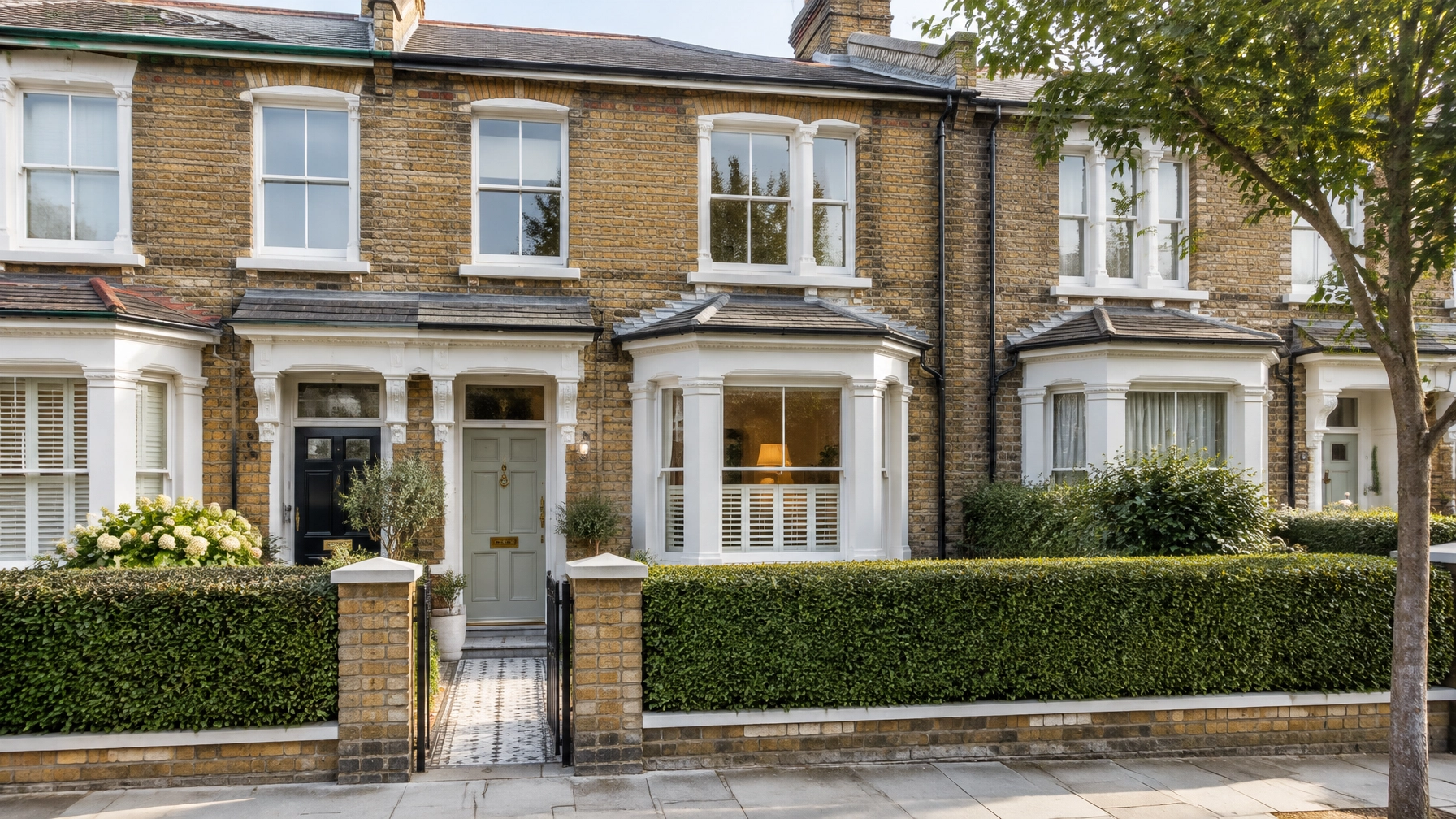
An empty property can attract attention for all the wrong reasons. A forced door, damaged window or unnoticed leak can turn a routine void into a serious headache for you and your client.
Physical security is a key part of preparing a home between tenancies. But boarding up is not always the right first move: some insurers may discourage it, and a rough-looking sheet of plywood can advertise that nobody is home. Check your insurer’s requirements before making changes, then focus on practical, well-maintained security.
1. Secure doors, locks and overlooked entry points
Start with the main entrance, then check every other potential route in. A strong front door is of limited use if a back door, side gate or accessible window is left vulnerable.
For the main entrance, use a five-lever mortice deadlock that meets BS 3621. Check that the frame is sound and the hinges are secure. On timber doors, consider key-operated bolts where suitable, and ask a qualified locksmith to advise on the right fittings for the door and frame.
Pay particular attention to back doors and less visible entrances. A side gate can provide cover and access to a rear door or window, so make sure it closes securely and cannot be lifted or forced easily.
Letterplates deserve a quick check too. If someone can reach a nearby latch through the opening, the door may be easier to open than it appears. Consider a suitable letterplate guard or internal security device, provided it does not obstruct safe use of the door.
A careful walk around the property often reveals the weak point before an opportunistic visitor does.

2. Think carefully before boarding up windows
If boarding is required and your insurer approves it, cover all accessible windows and doors, not only those at ground level. Remember upper-floor openings accessible from a flat roof, extension or adjoining structure.
For temporary boarding, insurer guidance may specify exterior-grade plywood at least 18mm thick. Fix it securely using suitable tamper-resistant fixings; a loose panel is neither reassuring nor particularly effective. Requirements can vary, so confirm the exact specification with your insurer or broker before work begins.
For properties in high-crime locations or expected to remain empty for a longer period, perforated steel screens may be a more durable option. They offer robust protection while allowing some light and ventilation. Choose an appropriate system and professional installation, particularly if the building is listed or has sensitive historic features.
Here is the counterintuitive part: boarding is not automatically the safest-looking choice. Some insurers do not want windows boarded because it can signal that the property is vacant, or conflict with the conditions of a particular policy. Crude boarding can also attract vandals or people looking for an empty building.
So, check first. If boarding is approved, make it neat, secure and professionally fitted. Treat plywood as a temporary measure, not a long-term security plan. For a prolonged void, ask whether steel screens or another insurer-approved measure is more suitable.

3. Keep alarms working and make the property look occupied
Maintain existing intruder and fire alarms throughout the void. If appropriate for the property, consider connecting an alarm to a monitoring centre accredited by the National Security Inspectorate (NSI) or the Security Systems and Alarms Inspection Board (SSAIB).
A visible, working alarm can provide a stronger deterrent than a dummy box. Do not rely on appearances alone: check that the system is operational, that any monitoring arrangements remain active, and that the person responsible knows what to do if it activates.
Timer lights or dusk-to-dawn sensors can create a more natural impression that someone is home. Use them sensibly: a lamp that switches on and off at the same time every day may look more like a timer than a tenant. And if utilities are isolated, ordinary lighting may not be available. Plan security lighting before disconnecting supplies, and use a qualified professional to install or adjust electrical equipment.
Good security combines a real response plan with visible signs of care. A convincing deterrent should not depend on a dummy alarm and crossed fingers.

4. Isolate utilities and protect against water damage
Security is not only about keeping people out. In a vacant home, a small leak can go unnoticed until it has affected ceilings, floors or neighbouring properties.
Disconnect mains electricity and gas unless you need them for approved security, lighting or heating arrangements. Arrange any isolation through the relevant supplier or a qualified professional; do not attempt work on gas or electrical systems yourself.
For water, consider isolating and draining down the system to reduce the risk of leaks and burst pipes. Use a competent professional where needed, especially if the heating system or plumbing needs specialist attention.
If the water system is not drained down and heating is needed to help protect the property, maintain a minimum temperature of around 10°C. Check the system and controls are suitable for the property, and make sure your approach fits the insurer’s requirements.
Plan utility arrangements as part of your security set-up, not as an afterthought once the lights have gone out.

5. Keep the exterior looking cared-for
An untidy frontage can signal that a property has been left unattended. Redirect post so it does not build up, keep the garden tidy, and trim hedges that could conceal someone approaching the building.
Clear gutters and remove obvious signs of neglect. If a garden service or keyholder is already visiting, agree who will manage these simple tasks and how often they should be done.
A property does not need to look staged for a viewing. It should simply look maintained: clear entrance, tidy boundaries and no post spilling out of the letterbox. Small details make a real difference to how exposed a vacant home appears.
Make regular physical checks part of the plan
Arrange internal and external checks at least weekly as a practical industry norm, while always following the inspection schedule set by your insurer. Look for damage to doors, windows, gates and screens; check for signs of attempted entry, leaks, storm damage or accumulated post. Record what you find and escalate problems promptly.
Evestaff’s vacant property security service supports property professionals with physical checks, utility-isolation support and documented reports. Our experienced clerks use modern technology to record property condition meticulously, with coverage across London and Kent.
Since 2012, Evestaff Property Inventory Clerks has supported landlords, letting agents and property managers with detailed, precision-focused property documentation. We are accredited members of ECMK and bring our Perfectionist standards to every instruction.
If you are a new customer, you can receive 10% off your first booking. And if you know someone who could use a reliable property service, feel free to pass along our Refer a Friend offer.
The safest empty property is not necessarily the one covered in plywood. It is the one with sensible, insurer-approved physical security, regular documented checks and an exterior that looks cared for.
Join The Discussion