

A mid-tenancy inspection is not simply a quick walk around the property to confirm that the tenant is still living there. Done properly, it is an early-warning system for maintenance problems, tenancy breaches and documentation gaps.
That matters because expensive property issues rarely arrive with a drumroll. A slow leak, a little mould or a loose handrail can sit quietly for months before becoming a repair bill worth thousands of pounds.
For landlords, property managers and letting agents, the purpose of a rental property inspection is not to catch tenants out. It is to identify developing risks while they are still manageable, record the condition accurately and keep communication clear.
Here are seven issues landlords routinely miss during a tenancy inspection, along with the warning signs you should look for.
1. Early damp and mould behind furniture
Most landlords check visible walls and ceilings. Fewer look closely at window reveals, corners, bathroom seals and the areas hidden behind wardrobes or sofas.
That is where damp and mould often begin.
Look for:
- Musty smells in bedrooms, hallways or cupboards
- Black or green spotting around window frames
- Blistering paint or peeling wallpaper
- Discolouration on ceilings and external walls
- Condensation collecting around windows
- Mould around shower seals, grout and bath edges
Do not dismiss a small patch as “just condensation”. It may be, but you need to document what you find and investigate the underlying cause. Poor ventilation, failed seals, penetrating damp and plumbing problems can look remarkably similar at first glance.
Ask the tenant whether they have noticed damp, condensation or unusual smells. A tenant may have stopped reporting the issue because they assume nothing will happen, which is hardly an ideal maintenance strategy.
Photograph the location, describe the extent and record any conversation or action that follows. Early evidence gives you a clear audit trail and allows you to arrange remedial work before a small problem becomes a serious one.
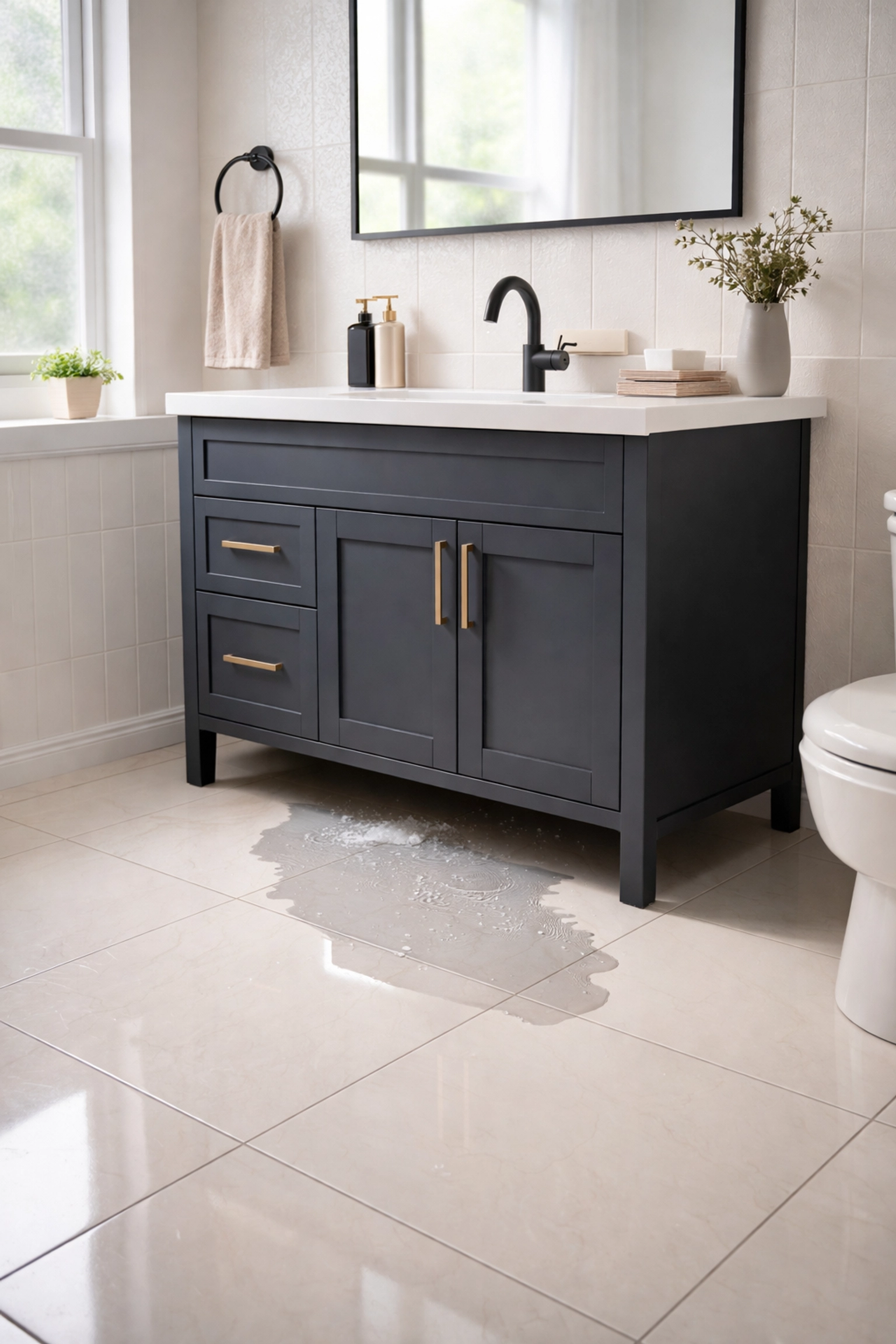
2. Minor plumbing leaks under sinks and appliances
A dripping tap is annoying. A slow leak behind a washing machine or beneath a kitchen sink is much more expensive.
During a property inspection, landlords often look at the visible plumbing and forget to open cupboards or check around appliance connections. That is where water damage tends to hide.
Check for:
- Damp or swollen cabinet panels
- Water staining around pipe joints
- Soft flooring beneath sinks
- Loose or deteriorated silicone
- Slow drains and standing water
- Drips around washing machine and dishwasher connections
- Discolouration around toilet bases
Run taps where appropriate, flush toilets and look beneath accessible pipework. You do not need to dismantle anything, but you should identify visible signs of moisture or deterioration.
A small leak can damage flooring, cabinets, plasterboard and electrical components. It can also create ideal conditions for mould. In other words, the £50 repair you postpone today may become a much less cheerful invoice later.
3. External water ingress and neglected drainage
The inside of a property often receives all the attention. The exterior is where many expensive warnings first appear.
Walk around the property and inspect what you can safely see from ground level. Pay attention to:
- Blocked or overflowing gutters
- Green staining around downpipes
- Cracked or damaged render
- Staining beneath gutters and window heads
- Missing or slipped roof tiles visible from the ground
- Damaged pointing around walls
- Loose paving, broken steps or trip hazards
- Overgrown vegetation touching walls or gutters
You should also check gardens, fences, outbuildings and bin areas where these are part of the tenancy or property management responsibility.
Blocked gutters can direct water into external walls. Damaged fencing can create security problems. Uneven paths can lead to accidents and liability concerns. None of these issues looks especially dramatic at the beginning, which is precisely why they are so easy to miss.
A thorough property inspection landlord process should always include an external visual check. Your property does not stop ageing at the front door.
4. Safety equipment that has been moved, damaged or ignored
A mid-tenancy visit is not a replacement for formal gas, electrical or fire safety checks. However, it is an opportunity to identify visible problems and confirm that safety equipment remains present and accessible.
Check whether:
- Smoke alarms are still installed
- Carbon monoxide alarms are present where required
- Alarm test buttons operate
- Devices have been covered, removed or damaged
- Escape routes are clear
- Communal lighting works where applicable
- Boiler warning lights or fault codes are visible
- Fire doors and closers appear to function properly in relevant properties
Record what you observe and refer technical matters to the appropriately qualified contractor. Do not attempt electrical or gas repairs yourself unless you are suitably qualified.
It is also sensible to review key compliance dates as part of your management process. A landlord property inspection checklist should prompt you to confirm when gas safety, electrical and other required checks are due, rather than relying on memory and a slightly optimistic diary.
The inspection is valuable because it connects the paperwork with the property’s actual condition.
5. Small changes that indicate unauthorised alterations
Tenants make their home their own. That is normal. Problems arise when changes are made without permission and create damage, safety concerns or difficulties at check-out.
Look for:
- Fresh paint in rooms that were originally neutral
- New locks or altered door furniture
- Shelving, brackets or fittings fixed to walls
- Removed light fittings or doors
- Garden structures or makeshift storage
- Signs of smoking indoors
- Evidence of an unauthorised pet
- More occupants than stated in the tenancy agreement
The goal is not to treat every picture hook as a five-alarm emergency. Context matters. A few removable fixings are different from extensive drilling, unapproved decorating or structural changes.
Compare what you see with the original inventory and tenancy agreement. If something needs clarification, raise it promptly and professionally. A calm conversation in month six is usually easier than a confrontation at the end of the tenancy.
6. Wear and tear that is actually developing damage
Fair wear and tear is a normal part of renting. However, gradual deterioration can become damage if it is ignored.
Examples include:
- A carpet beginning to fray at a doorway
- A loose stair rail
- Cracked sealant around a bath
- A chipped worktop edge allowing water beneath the surface
- A loose tile that may soon break
- A door scraping against the floor
- A small wall mark expanding because of moisture
These details matter because they create a timeline. A mid-tenancy inspection shows what changed, when it changed and whether action was recommended.
Use the original check-in report as your baseline. Capture wide photographs for context and closer images for specific defects. Avoid vague descriptions such as “damage to wall”. Instead, record the location, size, appearance and apparent severity.

Good documentation does not mean charging the tenant for every mark. It means making informed decisions and preventing avoidable deterioration.
7. The tenant’s unresolved maintenance concerns
One of the most valuable parts of a tenancy inspection is the conversation with the tenant. It is also one of the parts landlords most often rush.
Ask direct, practical questions:
- Is there anything that is not working properly?
- Have you reported an issue that has not yet been resolved?
- Does the heating or hot water operate as expected?
- Are there draughts, leaks, unusual smells or persistent condensation?
- Are any windows, locks or appliances difficult to use?
Tenants may not report minor problems because they do not want to seem troublesome. Others may assume a previous report has already been passed on. Give them space to explain what they have noticed, then record the response and agree the next step.
This approach also helps build a better landlord-tenant relationship. A professional visit should feel like responsible property management, not an interrogation with a clipboard.
Turn your inspection into an early-warning process
Before visiting, follow the notice requirements in the tenancy agreement and applicable legislation. In many standard arrangements, landlords provide at least 24 hours’ written notice and arrange access at a reasonable time. Keep a record of the notice and any agreed appointment.
During the inspection:
- Bring the original inventory and schedule of condition.
- Work through the property consistently, room by room.
- Include external areas and accessible storage spaces.
- Photograph concerns with enough context to identify their location.
- Separate urgent repairs from routine maintenance.
- Ask the tenant about issues that may not be visible.
- Send written follow-up actions promptly.
A digital report makes this process easier to manage across a portfolio. It gives you a consistent record that can be compared with the check-in and check-out reports.

For further guidance, read our article on mid-term inspections as an early-warning system for property maintenance.
Why professional documentation matters
A mid-tenancy inspection only protects your property if the findings are clear, dated and properly recorded.
Evestaff Property Inventory Clerks have been providing meticulous property inventory services since 2012. With 12+ years of experience, highly experienced clerks and modern technology, we create precise documentation for landlords, property managers and letting agencies across London and Kent.
Evestaff Property Inventory Clerks are accredited members of ECMK. That accreditation reinforces the professional standards behind our work, while our independent approach helps ensure that reports remain factual, consistent and useful.
Our role is to identify the details that are easy to overlook: the early leak, the developing stain, the missing alarm or the unexplained alteration. That is the Perfectionist approach to property documentation. Slightly meticulous? Absolutely. Much cheaper than discovering a preventable problem six months too late.

If you are arranging your next residential property inspection, professional reporting can give you a clearer condition timeline and greater confidence in your maintenance decisions.
Protect the property before the problem grows
The real value of a mid-tenancy inspection is not the checklist itself. It is the opportunity to act while an issue is still small, understandable and affordable to resolve.
Inspect beyond the obvious. Ask better questions. Compare the current condition with the original inventory. Record the facts and follow up quickly.
If you are new to Evestaff, you can receive a 10% discount on your first booking. You can also take a look at our Refer a Friend offer if another landlord, property manager or letting agent in your network could benefit from a more meticulous approach.
In property management, early warnings are valuable. The best repair bill is often the one you prevent.
Join The Discussion