

Let's cut through the noise: DIY inventory templates aren't dead. They're very much alive, readily downloadable, and still being used by landlords across the UK. The real question isn't whether they exist: it's whether they'll actually protect your deposit deductions when a dispute lands on an adjudicator's desk in 2026.
The answer might surprise you. And it might cost you.
What Deposit Adjudicators Actually Want to See
Deposit protection schemes: TDS, mydeposits, and DPS: have evolved their standards considerably over the past few years. When an adjudicator reviews your evidence in 2026, they're looking for specific elements that many DIY templates simply don't capture.
First, they want comprehensive photographic evidence with proper context. A photo of a marked wall means nothing without a clear reference point, proper lighting, and a corresponding written description. Your Excel template with a tick box for "walls: good condition" won't cut it.
Second, adjudicators expect timestamp verification. They need proof that your check-in report was completed when you say it was, not hastily assembled after the tenant moved out. Professional inventory reports include metadata, digital signatures, and verifiable audit trails. Your PDF export from a free template? Not so much.
Third, they're looking for detailed condition descriptions using industry-standard terminology. "A bit worn" isn't acceptable. "Light soiling to the carpet consistent with fair wear and tear" is. The difference between winning and losing a dispute often comes down to this level of precision.

The 2026 Regulatory Landscape Changes Everything
The regulatory environment has shifted dramatically. With the Renters' Rights Bill progressing through Parliament and increased scrutiny on deposit deductions, adjudicators are applying stricter standards than ever before. They're looking for evidence that would stand up in court, not just a landlord's good intentions.
Consider this: in 2026, adjudicators are seeing unprecedented volumes of disputes. The average decision time might be quick, but the quality threshold for evidence has risen sharply. They're rejecting poorly documented claims at rates we haven't seen before.
Your DIY template needs to meet the same evidential standards as a professionally prepared report. Can it? Honestly assess whether your template includes:
- High-resolution, time-stamped photographs from multiple angles
- Detailed room-by-room condition descriptions using consistent terminology
- Meter readings with photographic verification
- Appliance serial numbers and functionality tests
- Garden and external area documentation
- Full fixture and fitting schedules
Most free templates provide fields for some of this information. Few ensure you actually capture it to adjudicator-acceptable standards.
Where DIY Templates Fall Short in Practice
The problem isn't usually the template itself: it's the execution. Even a well-designed template requires expertise to complete properly. You need to know what to photograph, how to describe conditions accurately, and which details matter in a dispute.
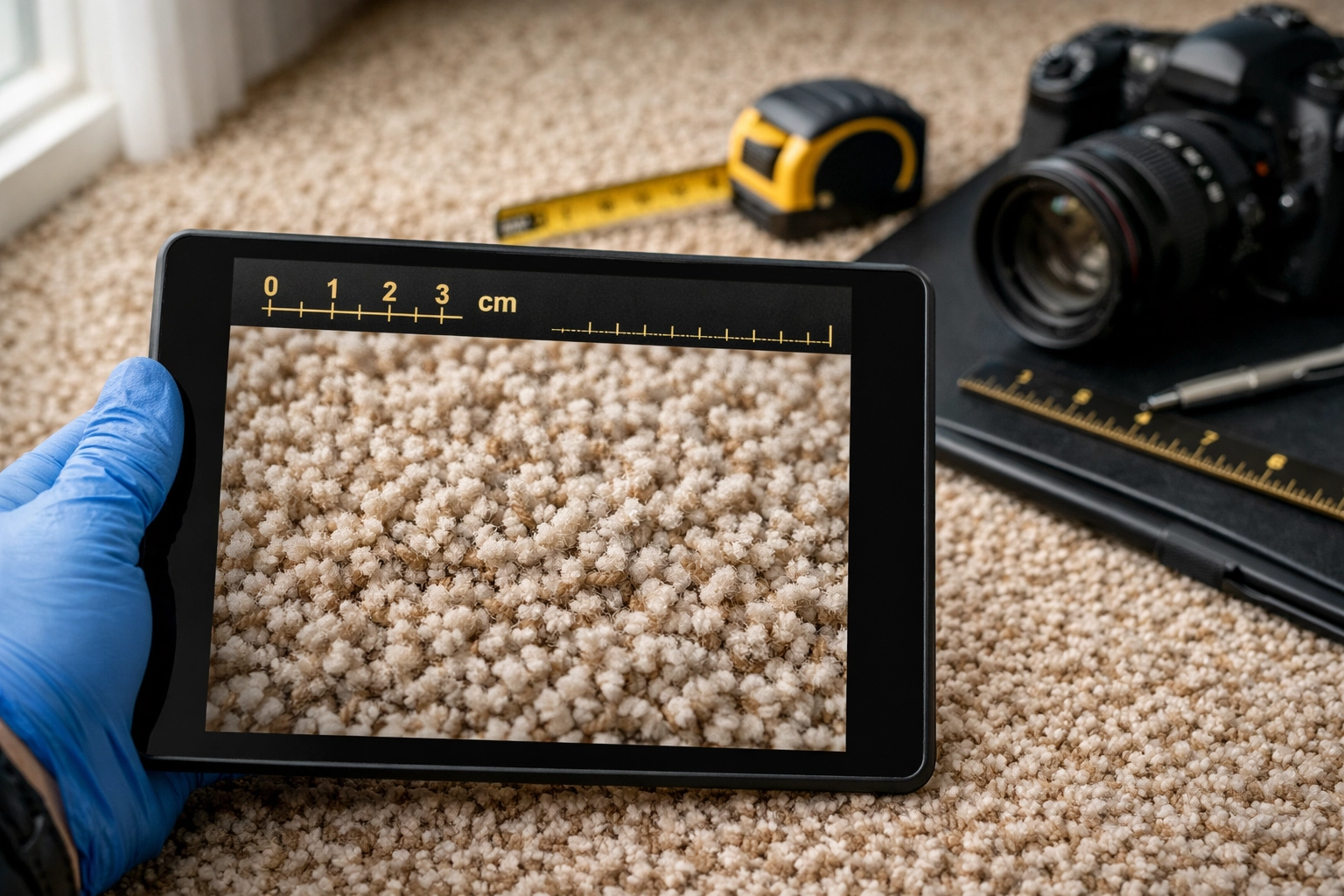
Consider the common scenario of carpet wear. A DIY approach might note "carpet worn." An experienced inventory clerk documents "medium pile carpet showing wear pattern consistent with furniture placement in high-traffic areas, with localised staining (approx. 50mm diameter) near doorway, photographed from three angles with measurement reference."
Guess which description wins the dispute?
The second weakness is consistency. If you're managing multiple properties, are your DIY reports consistent across your portfolio? Adjudicators notice when one property has meticulous documentation and another has sparse notes. It suggests the thorough report was completed retrospectively: and they'll discount both.
Third, DIY templates rarely account for legislative compliance. Professional inventory services stay current with regulatory changes, ensure reports meet current standards, and understand what adjudicators are emphasising this year versus last year. Your 2022 template might have worked brilliantly then. In 2026? It's potentially a liability.
The Professional Standard That Actually Wins Disputes
Professional property inventory services provide something DIY templates can't: expertise, technology, and accountability. At Evestaff Property Inventory Clerks, we've been preparing reports since 2012, and we've watched adjudication standards evolve in real-time.
Our reports include:
Comprehensive photographic evidence shot with professional equipment, properly lit, and catalogued with metadata that proves authenticity. Each image is tied to specific condition descriptions that use industry-standard terminology.
Digital verification systems that timestamp every entry, creating an unalterable audit trail. When an adjudicator questions when a report was completed, the metadata settles it instantly.
Experienced clerk assessment from professionals who understand what details matter. We know that documenting the grouting condition in a shower matters. We know that appliance model numbers become crucial when claiming for replacements. We know because we've seen thousands of disputes.
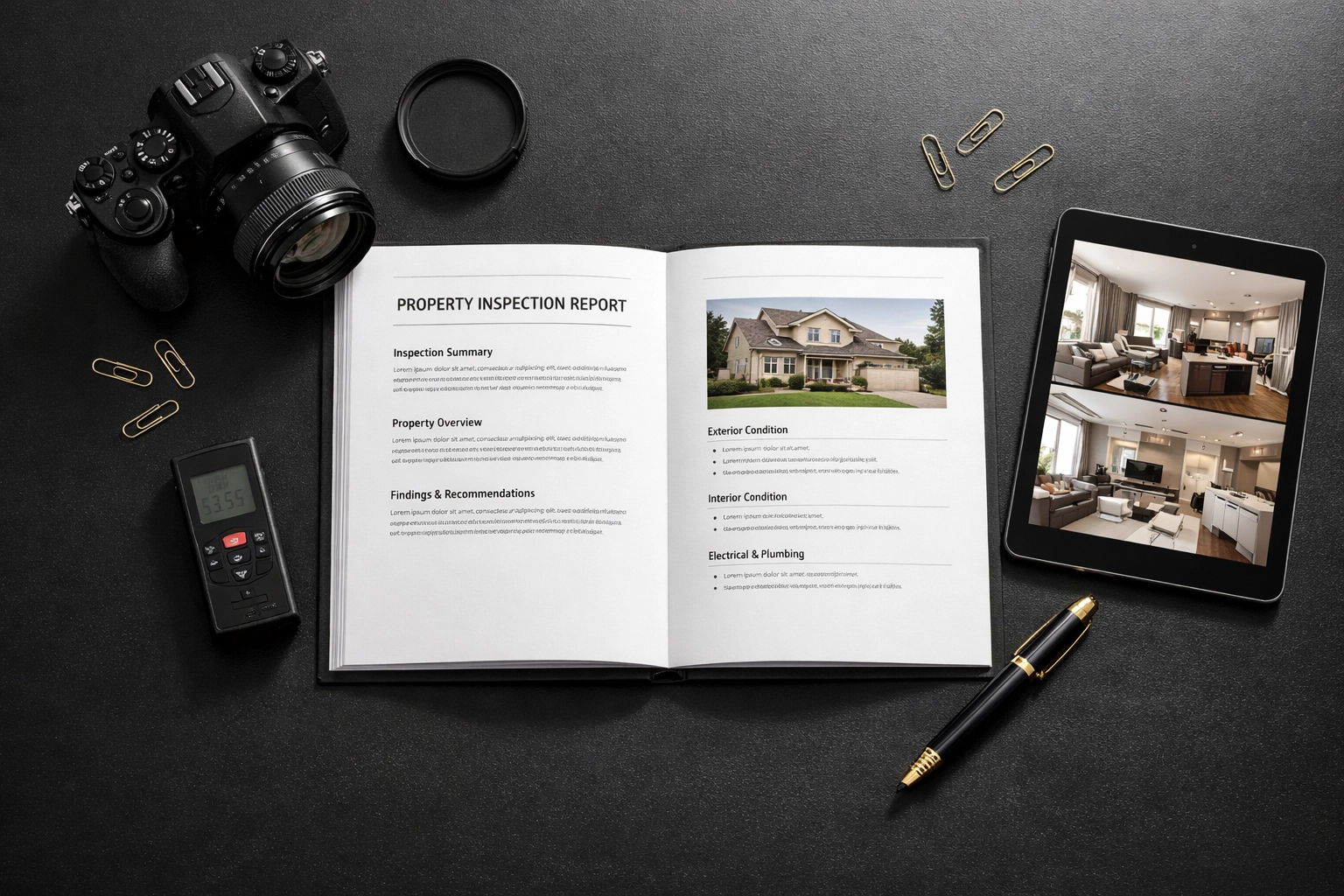
This expertise translates directly into successful deposit deductions. When you can demonstrate professional-grade documentation, adjudicators take your claims seriously. When you submit DIY evidence, you're immediately at a disadvantage: regardless of the validity of your claim.
The Real Cost of Getting It Wrong
Let's talk numbers. The average disputed deposit in 2026 sits around £800-£1,200. If your DIY inventory report fails to support your legitimate claim for carpet replacement (£600), cleaning (£200), and minor repairs (£150), you've just lost £950.
Now multiply that across your portfolio. If you manage ten properties with an average tenancy length of two years, you're potentially facing 5 turnovers annually. Lose just two disputes per year due to inadequate documentation, and you're looking at nearly £2,000 in unrecovered costs.
Compare that to professional inventory services. A comprehensive check-in report typically costs £150-£250 depending on property size. The mathematics is straightforward: one successful deposit deduction pays for multiple professional reports.
Beyond the immediate financial impact, consider the time cost. Preparing a truly comprehensive DIY inventory for a three-bedroom property takes 3-4 hours if done properly. That's time you're not spending on strategic portfolio management, tenant relationships, or property improvements.
When DIY Might Still Work (But Probably Shouldn't)
Honesty matters here. There are scenarios where DIY inventory templates might suffice: but they're narrower than you think.
If you're managing a single property with a long-term tenant relationship built on trust, and you're personally meticulous about documentation, a well-executed DIY approach could work. The emphasis is on "well-executed." You need to invest the same time and attention to detail that a professional would, photograph everything comprehensively, and write descriptions that would satisfy an adjudicator's scrutiny.
However, even in this scenario, you're taking an unnecessary risk. The peace of mind from knowing a professional has documented your property to industry standards is worth the relatively modest investment.
Making the Right Choice for Your Portfolio
The question isn't whether DIY templates are dead: it's whether they're fit for purpose in 2026's regulatory environment. The answer depends on your risk tolerance, your expertise, and the value of your time.
Consider three factors when making this decision:
Your dispute history: If you've lost deposit disputes in the past, your documentation strategy needs upgrading. Professional reports eliminate this vulnerability.
Portfolio size: Managing multiple properties exponentially increases the risk of inconsistent documentation. Professional services ensure standardisation across your entire portfolio.
Regulatory compliance: Are you confident your DIY approach meets current adjudication standards? If there's any doubt, the cost of professional services is insurance against much larger losses.
The reality is that deposit adjudication in 2026 demands professional-grade documentation. You can attempt to create this yourself, but the expertise gap between DIY attempts and professional services is wider than many landlords realise.
At Evestaff Property Inventory Clerks, we work across London and Kent, bringing over a decade of experience to every property we document. We understand what adjudicators expect because we track their decisions, adapt our methodology, and ensure every report meets current standards.
Your inventory report isn't just paperwork: it's your primary legal defence when deposit disputes arise. The question you need to answer is simple: can your DIY template provide the same level of protection as professional documentation?
The adjudicator's decision will give you that answer. Make sure you're comfortable with it before the dispute happens.
Join The Discussion