

Social landlords operate under intense scrutiny. One failed inspection, one missed hazard, one outdated boiler: and suddenly you're facing regulatory action, tenant complaints, and reputational damage that takes years to repair. The Decent Homes Standard isn't a suggestion. It's a legal baseline, and if you're managing social housing stock without watertight documentation, you're gambling with compliance.
Here's the reality: you can have the best intentions, the most diligent maintenance team, and a genuine commitment to tenant welfare. But without professional property condition reports that capture precise, defensible evidence of your homes' condition, you're building your compliance strategy on sand.
Let's talk about how to get it right.
What Actually Is the Decent Homes Standard?
The Decent Homes Standard sets the minimum acceptable condition for social housing across the UK. It's not about luxury: it's about basic safety, functionality, and dignity. Every property under social landlord management must meet four distinct criteria simultaneously. Miss one, and the entire property fails the standard.
Think of it as a gatekeeper test. Pass all four gates, and your property qualifies as decent. Fail any single gate, and you've got a compliance problem that needs immediate attention.
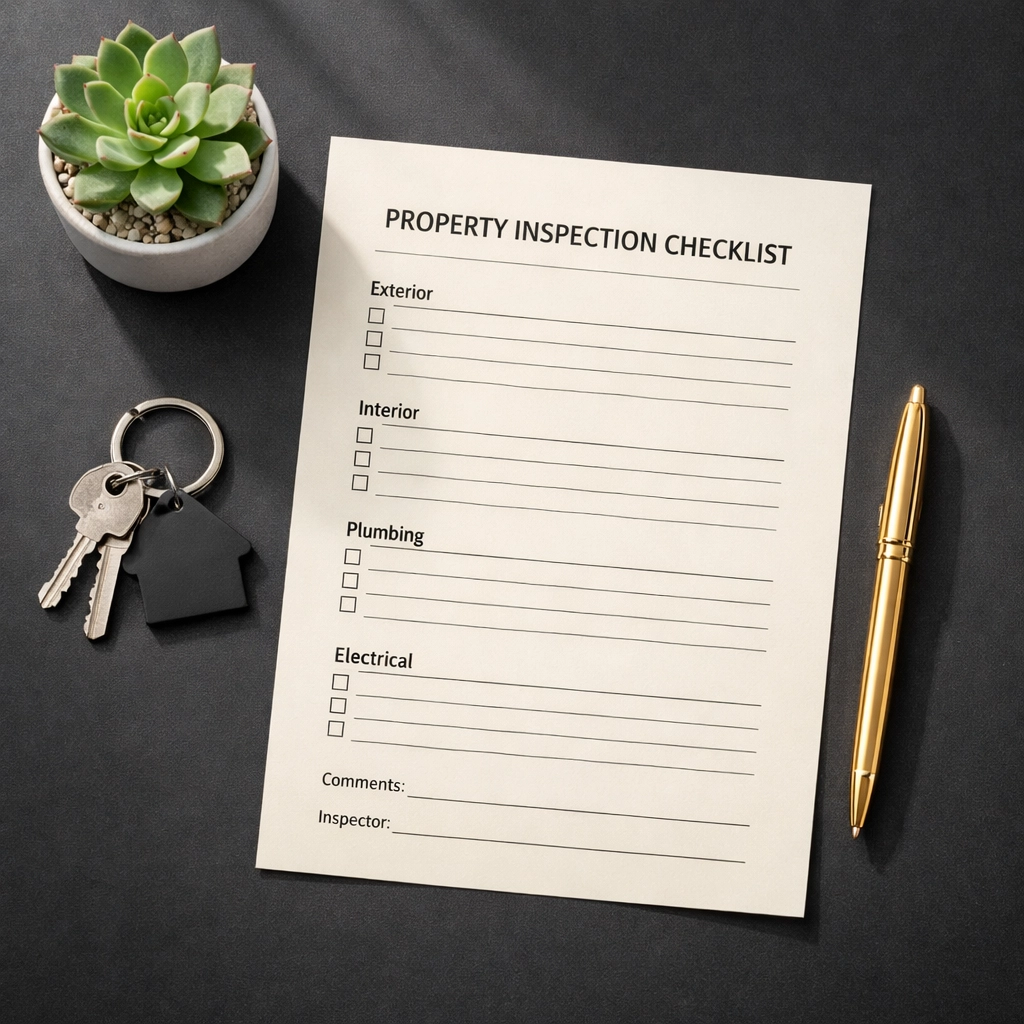
The Four Criteria That Define Compliance
Criterion A demands properties remain free from serious health and safety hazards. This assessment uses the Housing Health and Safety Rating System (HHSRS), which evaluates 29 potential hazards: from damp and mould to electrical risks and structural instability. One Category 1 hazard (the most serious classification) automatically fails this criterion.
Criterion B focuses on the state of repair. Your property needs to be in reasonable condition overall, with kitchens no older than 20 years and bathrooms no older than 30 years. "Reasonable" doesn't mean perfect, but it does mean functional, safe, and fit for purpose. A cracked sink that still drains might pass. A non-functional boiler in winter won't.
Criterion C examines facilities and services. Does the property have adequate heating, modern electrics, proper drainage, and sufficient space? This criterion catches outdated systems that technically work but fall below contemporary standards. Your 1970s storage heaters might heat the room eventually, but they likely won't meet today's efficiency expectations.
Criterion D addresses thermal comfort through effective insulation and efficient heating systems. With energy costs soaring and climate commitments tightening, this criterion has become increasingly stringent. Your tenants need to heat their homes affordably and effectively, full stop.
Why Professional Reporting Matters More Than Your Maintenance Schedule
You might have the most responsive maintenance team in the country. You might fix repairs within 24 hours and conduct annual inspections religiously. But without documented evidence prepared to professional standards, you're essentially asking regulators and tenants to trust your word.
That doesn't fly in 2026.
Professional property condition reports create a defensible record of your property's condition at specific points in time. They establish baselines, track deterioration, document improvements, and: critically: prove compliance when challenged.
The Documentation Gap That Gets Landlords in Trouble
Most social landlords conduct inspections. Far fewer produce reports that would withstand regulatory scrutiny or tribunal review. The gap between "we checked it" and "we can prove it met the standard" is where compliance failures breed.
A maintenance log noting "boiler serviced" doesn't demonstrate Criterion D compliance. A professional report documenting the boiler's make, model, service date, efficiency rating, thermostat functionality, and photographic evidence does. One protects you. The other just tells you what you already know.
Consider what happens when a tenant raises a complaint about damp (a classic Criterion A hazard). Without a detailed property condition report from tenancy commencement, you're debating their word against yours about whether the damp existed before they moved in. With a professional report, you have timestamped photographic evidence, moisture readings, and documented ventilation assessment. The conversation changes entirely.
What a Compliance-Grade Property Condition Report Actually Contains
Not all property reports are created equal. A compliance-grade report: the kind that actually protects you when regulators come knocking: goes far beyond basic room-by-room descriptions.
Comprehensive hazard assessment forms the foundation. Every room gets evaluated against HHSRS criteria, with specific attention to the 29 hazard categories. Your clerk identifies potential Category 1 and Category 2 hazards, documents their severity, and photographs evidence. This directly addresses Criterion A compliance.
Component age and condition tracking captures the age and operational status of major systems and fixtures. Kitchen fitted in 2008? Documented. Bathroom refurbished in 2019? Recorded with supporting photographs. This evidence directly supports Criterion B compliance and helps you plan replacement cycles before components age out of acceptable limits.
Thermal efficiency documentation measures heating system performance, insulation condition, window quality, and draught-proofing effectiveness. Modern reports should include thermal imaging where appropriate, documenting heat loss points and insulation failures. This builds your Criterion D compliance case.
Photographic evidence with context separates amateur snapshots from professional documentation. Every photograph should be clearly labelled, showing not just what's captured but where it was taken and why it matters. A photo of a radiator tells you nothing. A photo of a radiator with its thermostat reading, bleed valve condition, and wall mounting security tells you everything.
How Professional Clerks Spot What You Miss
Experience matters profoundly in property reporting. A junior staff member conducting a walkthrough might note "kitchen in good condition." A professional inventory clerk with a decade of experience notices the grout discolouration indicating historic water penetration, the slight warping of cabinet doors suggesting humidity problems, and the outdated electrical sockets that don't meet current regulations.
These distinctions determine whether your property passes or fails compliance assessments.
Professional clerks understand regulatory frameworks intimately. They know which details matter for Decent Homes Standard compliance and which are merely cosmetic preferences. They document systematically, ensuring every criterion receives appropriate attention without wasting time on irrelevant details.
At Evestaff, our clerks bring exactly this depth of expertise to every property condition report we produce. Founded in 2012, we've built our reputation on meticulous, precision-focused documentation that stands up to regulatory scrutiny. Our clerks don't just describe properties: they assess them against compliance frameworks, identify potential failures before they become critical, and create records that protect landlords in disputes.
The Reporting Cycle That Maintains Continuous Compliance
Compliance isn't a one-time achievement. Properties deteriorate. Systems fail. Standards evolve. Your reporting strategy needs to match this reality.
Baseline reports at tenancy commencement establish the starting condition. These comprehensive assessments document everything: from ceiling condition to appliance age to garden boundaries. They protect you against future disputes about pre-existing conditions and establish your compliance status at handover.
Periodic condition assessments track changes over time. Social landlords typically conduct these annually or biennially, depending on property age and condition. These reports identify emerging hazards, document maintenance effectiveness, and flag components approaching end-of-life before they fail compliance criteria.
Pre-exit reports before tenancy termination document the property's condition after occupation. They separate tenant-caused damage from natural wear, support deposit negotiations, and establish the baseline for the next tenancy cycle.
This three-phase approach creates an unbroken chain of documented evidence proving continuous compliance. When regulators audit your portfolio, you're not scrambling to remember maintenance dates or hunting for scattered photographs. You present a complete, professionally prepared record demonstrating systematic compliance management.
Technology That Transforms Reporting Accuracy
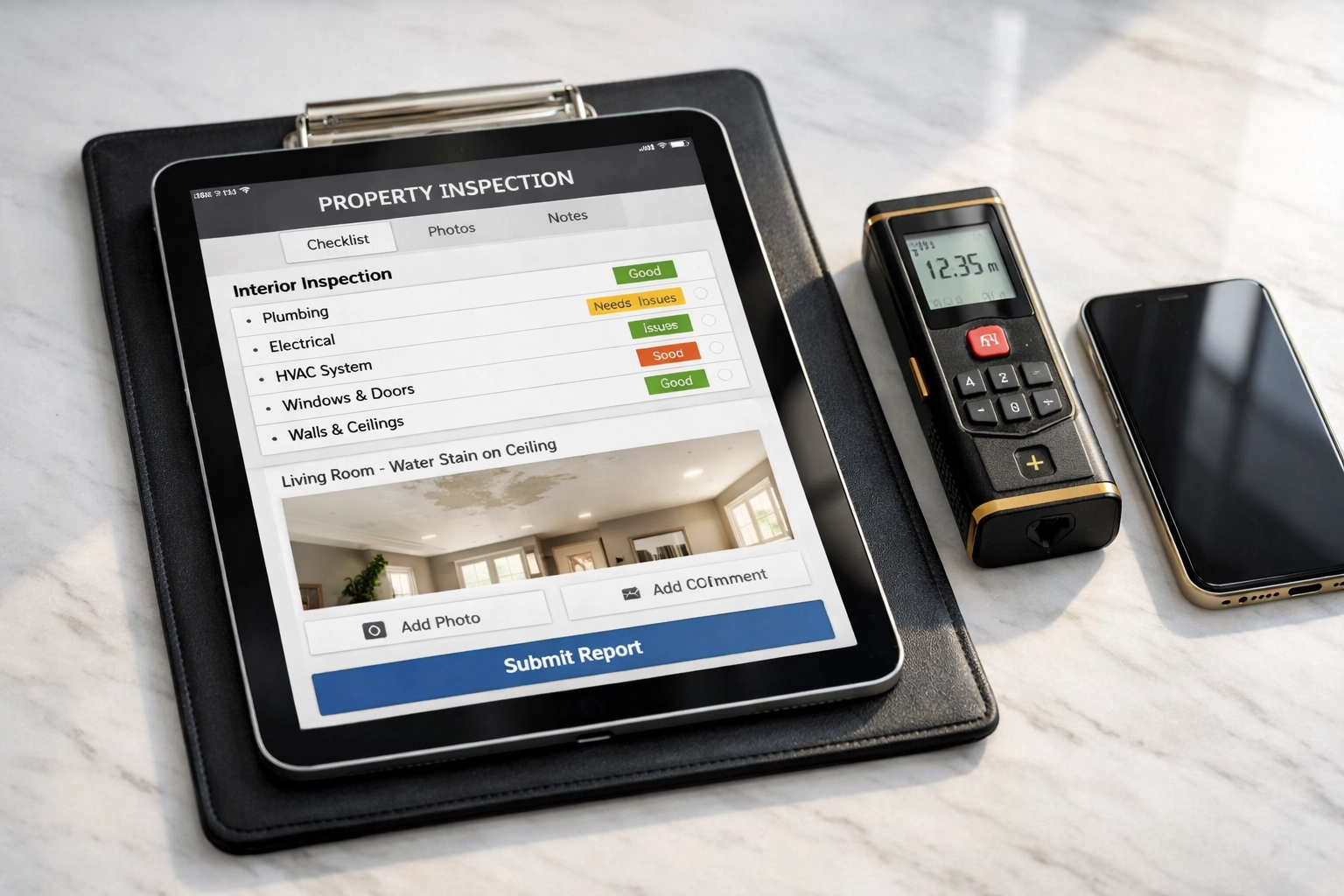
Modern property reporting leverages technology to eliminate the inconsistencies that plague manual documentation. Digital reporting platforms ensure systematic coverage, prevent missed areas, and create searchable, shareable records accessible to your entire compliance team.
Timestamped photographs with embedded metadata prove when and where images were captured. You can't fake this evidence, and it withstands scrutiny that traditional photographs don't. Thermal imaging reveals hidden insulation failures and moisture problems invisible to the naked eye, catching Criterion A hazards before they escalate into serious health risks.
Cloud-based report storage means your compliance documentation never goes missing. Fire destroys your office? Your reports remain accessible. Staff member leaves? Their reports stay in the system. Regulatory audit next week? You access your entire portfolio's documentation in minutes.
Evestaff integrates these technologies throughout our reporting process, combining advanced tools with experienced clerk assessment to deliver documentation you can actually use when compliance matters most.
Building Compliance That Lasts Beyond the Next Inspection
The Decent Homes Standard establishes minimum acceptable conditions, not aspirational targets. If you're aiming simply to pass the standard, you're building in zero margin for error. Properties deteriorate. One failed component can push you from compliant to non-compliant overnight.
Professional reporting creates the visibility you need to maintain consistent compliance margins. You spot deterioration early. You plan replacements proactively. You document improvements systematically. Your compliance isn't dependent on luck: it's built on evidence.
Social housing management carries profound responsibility. Your tenants deserve safe, warm, functional homes. Regulators demand proof you're delivering them. Professional property condition reports bridge that gap, transforming vague assurances into concrete, defendable evidence.
Get your reporting right, and compliance becomes manageable. Get it wrong, and you're constantly firefighting failures you should have prevented. The choice is yours, but the standard doesn't negotiate.
If you're managing social housing stock across London or Kent and need property condition reports that actually protect your compliance position, speak to the Evestaff team. We've spent over a decade perfecting the documentation that keeps social landlords compliant, and we know exactly what regulators expect to see.
Join The Discussion