


It seems logical enough. Your smartphone has a decent camera, the lighting looks fine, and you need to document your rental property before tenants move in. A few quick snaps, a folder on your laptop, and you're done. Job sorted.
Except it isn't.
When a deposit dispute lands on your desk months later, those casual smartphone photos rarely hold up to scrutiny. The resolution isn't quite there. The timestamps are questionable. The coverage is incomplete. And suddenly, what seemed like a time-saving shortcut has become an expensive lesson in why professional high-definition reporting exists.
For landlords, property managers, and letting agencies across London, Kent, and beyond, the difference between smartphone snapshots and a comprehensive property inventory report can mean thousands of pounds: and countless hours of stress.
The False Economy of DIY Documentation
Modern smartphones have undeniably impressive cameras. Marketing departments would have you believe they rival professional equipment. For holiday photos and social media posts, they absolutely deliver.
Property documentation is another matter entirely.
The fundamental issue lies in technical limitations that no amount of software processing can overcome. Smartphone sensors are significantly smaller than those found in professional cameras, which directly impacts performance in challenging lighting conditions. That north-facing bedroom with limited natural light? Your smartphone struggles to capture accurate detail. The utility cupboard tucked under the stairs? Good luck getting a clear shot of that boiler's condition.

Professional inventory clerks use specialised equipment designed specifically for detailed documentation. High dynamic range capabilities ensure that both bright windows and shadowed corners are captured with clarity in a single frame. This matters enormously when you need to prove the condition of window seals, skirting boards, or the grouting between bathroom tiles.
Resolution That Stands Up to Scrutiny
Consider what happens when a dispute arises over alleged damage to a kitchen worktop. The adjudicator needs to zoom in, examine the surface closely, and determine whether that mark existed at the start of the tenancy.
A smartphone image, even at its highest setting, begins to pixelate and blur when enlarged. Digital zoom: which most smartphones rely on: simply crops the image and stretches what remains. The result is a grainy, unclear mess that proves nothing definitively.
Professional high-definition photography maintains clarity under magnification. When a trained clerk captures your property inventory, they're creating evidence-grade documentation that remains sharp and detailed no matter how closely it's examined.
This isn't perfectionism for its own sake. It's practical protection for your investment.
The Expertise Behind the Lens
Equipment matters, but expertise matters more.
A smartphone in untrained hands produces inconsistent results. Angles vary. Lighting changes. Coverage gaps appear. One property might have forty photos of the kitchen and three of the bathroom. Another might miss the garden entirely.
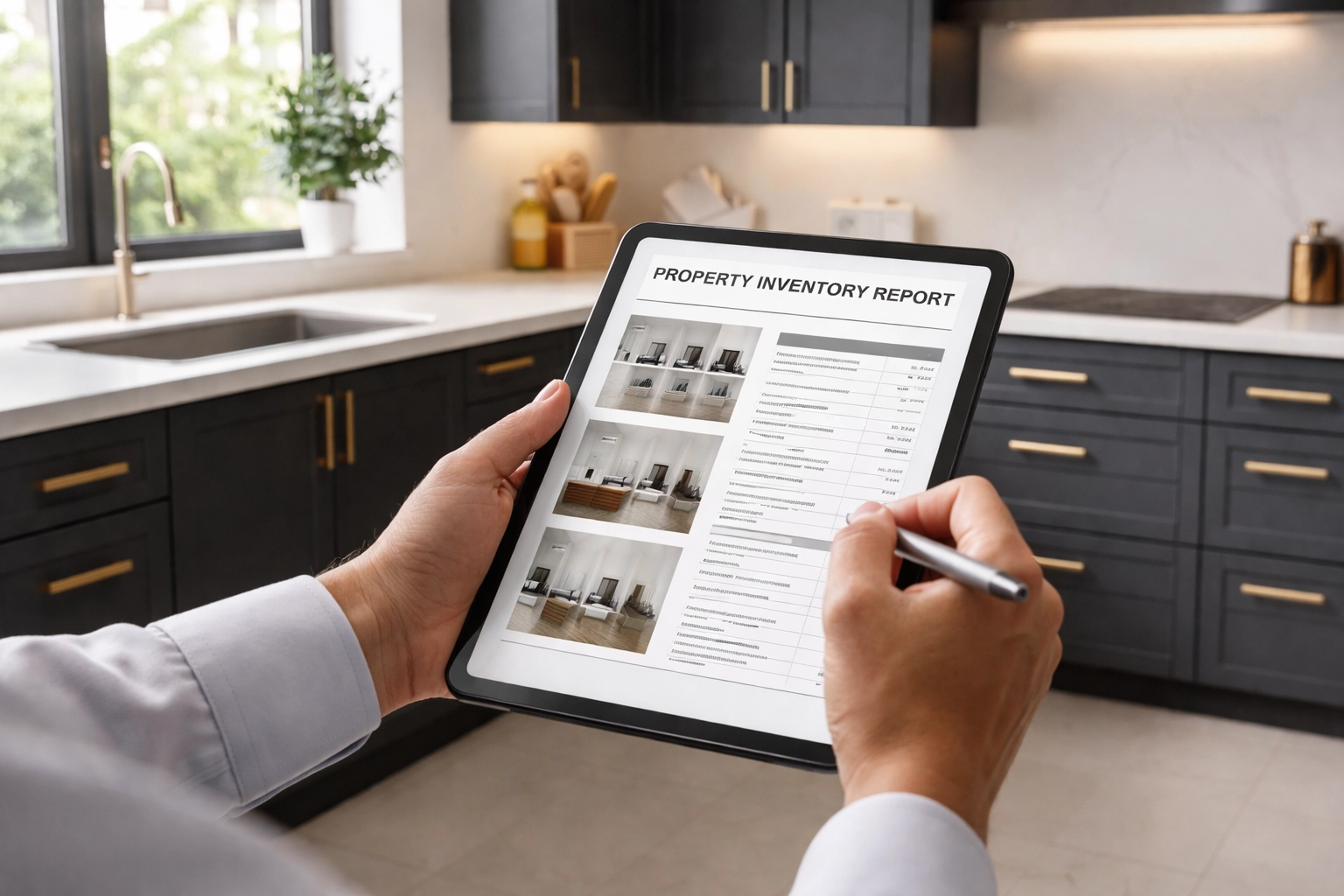
Professional inventory clerks follow systematic methodologies refined over years of practice. Every room receives comprehensive coverage. Every fixture, fitting, and finish is documented according to established protocols. Nothing gets missed because nothing is left to chance.
At Evestaff, our clerks bring over a decade of experience to every property check in report they produce. Founded in 2012, we've built our reputation across London and Kent on meticulous, precision-focused documentation that landlords and letting agencies trust implicitly.
That systematic approach creates consistency: and consistency creates credibility when disputes arise.
Metadata, Timestamps, and Legal Standing
Here's something most landlords don't consider until it's too late: metadata.
Every digital photograph contains embedded information about when, where, and how it was taken. Professional inventory reports include verified timestamps and location data that establish an unquestionable record of when documentation occurred.
Smartphone photos can be modified, edited, or have their metadata stripped: either intentionally or through routine file transfers. Even well-meaning landlords who email photos to themselves or upload them to cloud storage may inadvertently compromise the integrity of their evidence.
Professional reports maintain chain-of-custody integrity throughout. The documentation produced serves as a legally robust record that deposit protection schemes and adjudicators recognise and respect.
Lighting Conditions and Colour Accuracy
Walk through any rental property and you'll encounter a variety of lighting scenarios. Natural daylight streaming through south-facing windows. Fluorescent strips in kitchens. Warm-toned bulbs in living spaces. Dim corridors with no windows at all.

Smartphones attempt to compensate through automatic processing, but this often distorts colours in ways that become problematic later. That magnolia wall might appear cream in one photo and stark white in another. The wooden flooring looks honey-coloured near the window but orange under artificial light.
When a tenant disputes whether they've caused discolouration or staining, inconsistent colour representation undermines your position entirely.
Professional equipment combined with trained operators delivers accurate colour reproduction across varying conditions. The report reflects reality, not the smartphone's best guess at what reality should look like.
Comprehensive Coverage Beyond Photography
A professional property inventory extends far beyond photographs.
Detailed written descriptions accompany every image, noting specific observations about condition, cleanliness, and functionality. Metre readings are recorded. Appliance serial numbers are logged. Keys are counted and catalogued.
This comprehensive approach creates a baseline document that addresses disputes before they escalate. When tenants query their deposit deductions, the inventory report provides definitive answers backed by visual and written evidence.
Attempting to replicate this level of detail with a smartphone and a notepad is theoretically possible. In practice, it rarely happens: and the gaps become apparent precisely when you need complete documentation most.
The True Cost Calculation
Professional inventory services represent an investment, not an expense.
Consider the mathematics. A disputed deposit claim averaging £500-£1,000 can easily consume hours of your time gathering evidence, responding to adjudicator queries, and managing tenant communications. If the evidence proves insufficient, you absorb the loss entirely.
A professional property inventory costs a fraction of a single successful dispute resolution. More importantly, comprehensive documentation often prevents disputes from arising at all: tenants who see detailed check-in reports understand that the same scrutiny will apply at check-out.
For property managers handling multiple units across London, Maidstone, Sevenoaks, or anywhere across Kent, professional inventory services represent operational efficiency as much as risk management.
Technology That Serves a Purpose
Modern inventory clerks leverage technology extensively: but purposefully.
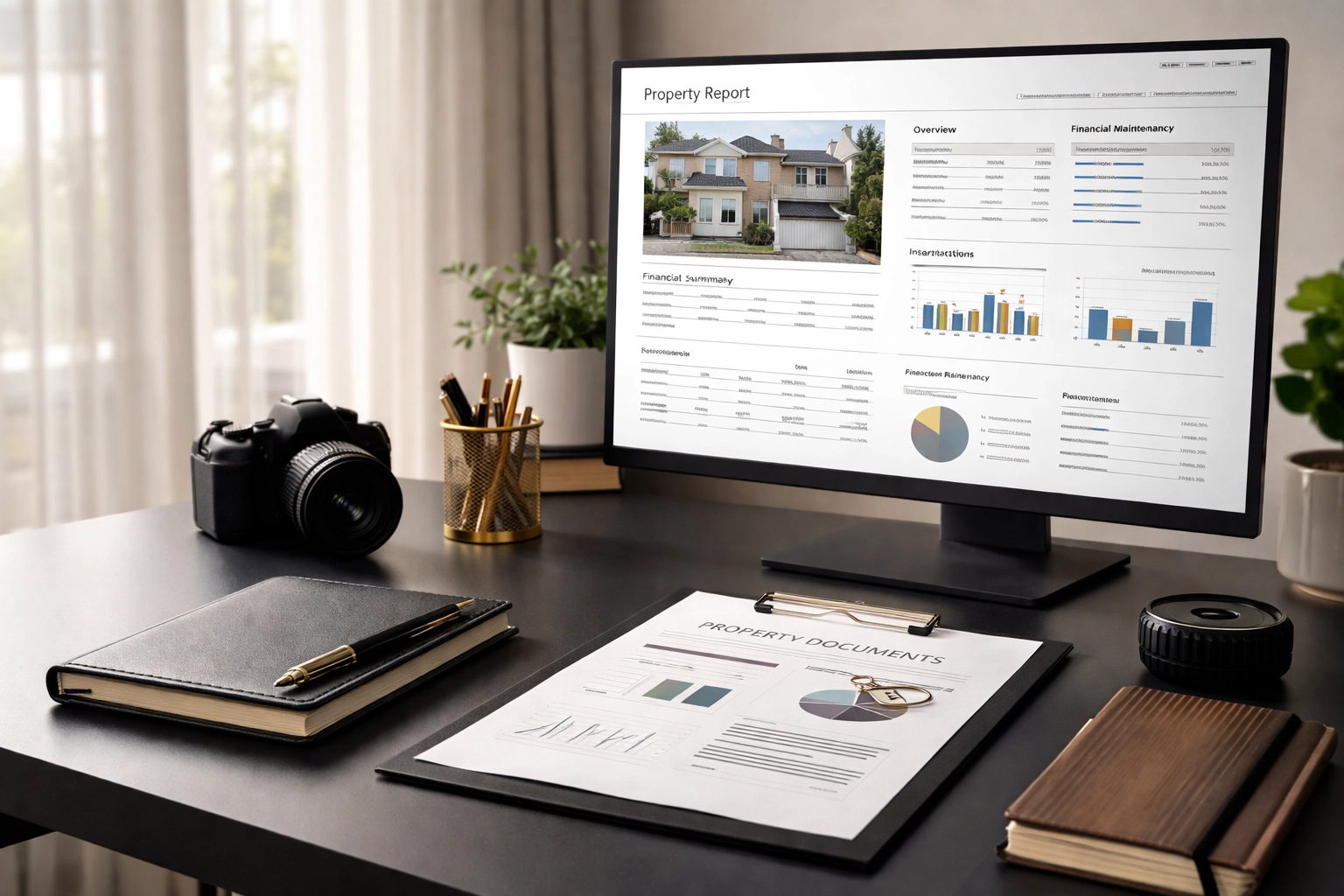
Cloud-based systems ensure reports are accessible, shareable, and securely stored. Digital delivery means landlords and agents receive documentation promptly. Integration with property management workflows streamlines the entire tenancy lifecycle.
This technological sophistication serves the documentation, not the other way around. The focus remains on creating accurate, comprehensive records that protect property owners and establish clear expectations for tenants.
It's worth noting that reliable IT infrastructure underpins these modern systems. Just as professional documentation protects your property investment, robust technical support protects your business operations: a parallel that property managers juggling multiple digital platforms understand well.
Making the Professional Choice
Smartphone cameras will continue improving. Processing algorithms will grow more sophisticated. The gap between consumer devices and professional equipment may narrow over time.
What won't change is the expertise, methodology, and systematic approach that professional inventory clerks bring to every property they document.
The question isn't whether your smartphone can take a decent photo. It's whether decent photos provide adequate protection for assets worth hundreds of thousands of pounds.
For landlords and property managers who understand the stakes, the answer is clear. Professional high-definition reporting isn't an indulgence: it's the standard that serious property professionals maintain.
Your smartphone has its place. Documenting the condition of rental properties isn't it.
Join The Discussion