

The property management landscape is about to undergo its most significant transformation in decades — a once-in-a-generation reset that demands you polish your processes to a gold-standard sheen. With the Renters' Rights Act Phase 1 commencing on 1 May 2026, alongside extensions to Awaab's Law and new building safety regulations, landlords and property managers face unprecedented compliance challenges that will fundamentally reshape how rental properties are managed across England.
These aren't minor administrative tweaks; they're substantial legal obligations with serious financial consequences for non-compliance. There are no bronze medals in compliance — aim for gold-standard documentation now. Understanding these changes and tightening your documentation processes isn't merely advisable; it's essential for protecting your investment and avoiding costly legal disputes.
Renters' Rights Act Phase 1: The Game-Changer Arriving May 2026

The most significant change arrives on 1 May 2026 when the Renters' Rights Act Phase 1 takes effect. This legislation completely overhauls the private rented sector in England, abolishing several long-standing practices that landlords have relied upon for decades.
Assured Shorthold Tenancies and Section 21 Evictions Abolished
The end of assured shorthold tenancies (ASTs) and section 21 "no-fault" evictions represents the most dramatic shift. Landlords will no longer possess the ability to regain possession without citing specific legal grounds. This fundamental change places enormous emphasis on accurate, detailed documentation from day one of every tenancy.
When you can no longer rely on no-fault evictions, your initial property condition reports become crucial legal documents. Every detail: from minor scuff marks to appliance conditions: must be meticulously recorded with professional-grade photography and comprehensive descriptions that will stand up to tribunal scrutiny.
Fixed-Term Tenancies Phased Out
All tenancies will transition to open-ended periodic arrangements, typically monthly or weekly rolling contracts. Whilst tenants can end agreements with two months' notice, landlords face significantly more complex procedures for regaining possession. This shift makes accurate baseline documentation even more critical, as you'll need ironclad evidence of any property damage or breach of tenancy conditions.
Revised Possession Grounds and Documentation Requirements
Landlords must now use section 8 grounds: such as tenant breach, selling the property, or moving in themselves: to regain possession. Each ground requires specific evidence standards, making professional inventory reports essential rather than optional.
For breach-related possession cases, you'll need detailed evidence showing exactly what damage occurred and when. Basic smartphone photos and handwritten lists simply won't suffice when facing tribunal proceedings that could determine whether you recover thousands in damages.
Annual Rent Increases and Market Rate Challenges
The new legislation caps rent increases to once per year and requires them to align with local market rates. Tenants gain the right to challenge excessive increases at the First-tier Tribunal, placing additional pressure on landlords to maintain properties in excellent condition to justify market-rate rents.
Professional inventory reports provide crucial evidence for demonstrating property value and condition when justifying rent levels. Detailed documentation of improvements, maintenance standards, and overall property condition becomes essential for supporting your rental pricing decisions.

Later 2026 Implementations: Building the Foundation for Greater Oversight
Private Rented Sector Database and Ombudsman Scheme
Later in 2026, the government will begin regional rollout of the Private Rented Sector (PRS) Database, requiring landlords to demonstrate compliance with legislation and provide transparency on property interests. Whilst mandatory ombudsman membership isn't expected until 2028, the database will scrutinise your compliance record from the outset.
This database isn't simply a registration system: it's a comprehensive compliance monitoring tool. Your inventory documentation, maintenance records, and tenant dispute history will likely form part of your compliance profile, making professional-standard record-keeping essential for maintaining your licensing status.
Technology Integration and Digital Compliance
Modern property management increasingly relies on robust digital infrastructure to handle complex compliance requirements. Many forward-thinking property managers are partnering with specialists like ITandconsultancy.co.uk to ensure their digital systems can handle the increased documentation and reporting requirements these new regulations demand.
Awaab's Law Extension: Damp, Mould, and Property Standards

Awaab's Law already imposes new duties on social landlords, with the Decent Homes Standard being updated to include specific criteria targeting damp and mould. Extension to the private rented sector is planned for Phase 3, with longer-term implementation targeted for 2035–2037.
However, smart property managers are preparing now. The legal precedent set by Awaab's Law establishes clear expectations for property condition standards that will inevitably influence tribunal decisions and tenant rights interpretations even before formal extension.
Proactive Documentation for Health and Safety Compliance
Professional inventory reports must now capture detailed environmental conditions, including potential damp or mould risks. This isn't just about visible damage: it's about documenting ventilation adequacy, heating functionality, and structural integrity that could contribute to health hazards.
When Awaab's Law eventually extends to private rentals, you'll need comprehensive baseline documentation proving your property met health and safety standards from the tenancy's commencement. Retrospective documentation is rarely acceptable in legal proceedings.
Building Safety Regulatory Changes
The Building Safety Regulator transitions from the HSE to a new public body in late January 2026, with transitional arrangements continuing through the end of 2026. Additionally, a Building Safety Levy takes effect from 1 October 2026, applying to most new residential developments of 10+ dwellings, including student accommodation and build-to-rent properties.
These changes primarily affect larger developments, but they establish precedents for safety documentation standards that will influence all rental property management. The emphasis on detailed safety records and compliance documentation creates additional requirements for thorough property condition reporting.
Why Professional Inventory Services Are Now Essential

These regulatory changes fundamentally alter the risk profile of property management. The combination of abolished no-fault evictions, enhanced tenant rights, and increased compliance monitoring makes professional inventory documentation crucial for several reasons:
Legal Evidence Standards
Tribunal proceedings require evidence that meets legal standards for accuracy, completeness, and professional presentation. Basic DIY inventories rarely survive legal scrutiny, particularly when facing experienced tenant representatives or legal aid solicitors.
Professional inventory clerks understand legal evidence requirements and create reports that stand up in formal proceedings. Founded in 2012, Evestaff Property Inventory Clerks is the premier inventory specialist for London and Kent; our highly experienced clerks average over a decade in the field and operate with a Perfectionist mindset — producing gold-standard, tribunal-ready evidence for possession and damage claims.
Comprehensive Risk Management
The new regulatory environment demands comprehensive risk management strategies. Professional inventory services provide detailed documentation that protects against multiple scenarios: from deposit disputes to possession proceedings to compliance audits.
Our meticulous documentation process captures thousands of data points per property, creating an evidentiary foundation that protects your interests across all possible legal challenges. This level of detail simply isn't achievable through DIY approaches or basic checklists.
Technology-Enhanced Accuracy
Modern professional inventory services leverage advanced technology to ensure accuracy and completeness. High-resolution photography, detailed condition descriptions, and systematic documentation processes create reports that exceed legal evidence standards whilst providing comprehensive protection against future disputes.
Preparing Your Portfolio for 2026 Compliance
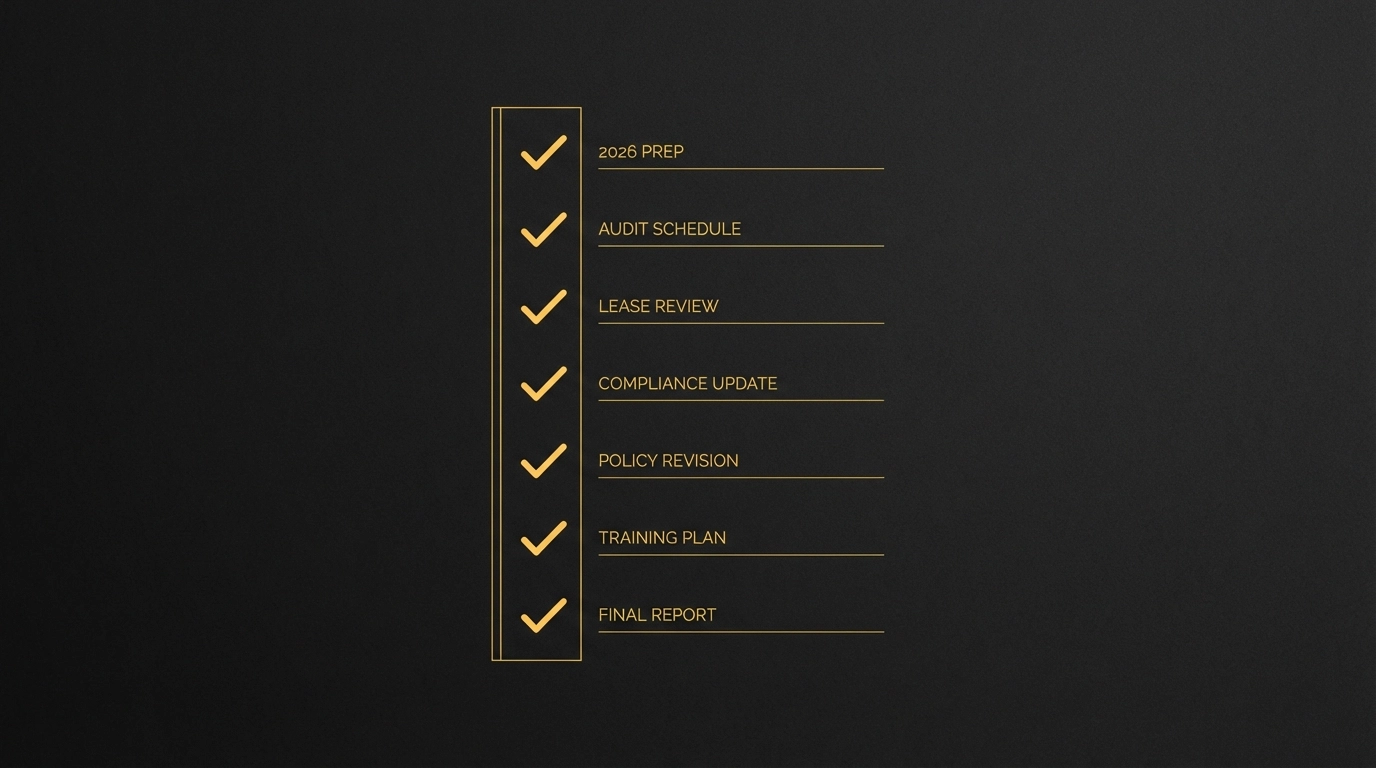
With only months remaining before these regulations take effect, act now and set a gold-standard baseline. Focus on these priority areas:
Upgrade Your Documentation Standards
Review your current inventory processes and upgrade to professional standards immediately. Every new tenancy from now forward should receive comprehensive professional inventory documentation that meets the elevated evidence standards these new regulations demand.
Establish Systematic Compliance Procedures
Develop systematic approaches to compliance monitoring and documentation. Regular professional inspections become more important when you can't rely on no-fault evictions to resolve problems quickly.
Build Professional Support Networks
Partner with experienced professionals who understand the new regulatory landscape. Property management in 2026 requires expertise across legal compliance, detailed documentation, and systematic risk management: areas where professional inventory clerks provide essential support.
The regulatory changes arriving in 2026 represent the most significant shift in private rental legislation for decades. Landlords and property managers who adapt their documentation and compliance procedures now will thrive under the new system. Those who delay risk facing substantial legal and financial consequences when these regulations take effect.
Professional inventory documentation isn't just about protecting deposits anymore; it's about maintaining your ability to manage properties effectively under a completely transformed legal framework. Invest in professional inventory services today to safeguard your position — particularly across London and Kent — and avoid far larger costs tomorrow.
Join The Discussion