

Deposit disputes are one of the most frustrating aspects of property management, and fair wear and tear arguments sit at the heart of most conflicts. Without proper documentation, you're essentially fighting blind when tenants challenge deductions or claim pre-existing damage. A comprehensive property check in report transforms this guesswork into clear, legally defensible evidence that protects your investment and maintains professional relationships with tenants.
The reality is stark: landlords lose thousands of pounds annually through poorly documented tenancy agreements. When you can't prove a property's initial condition, adjudicators default to tenant-favourable decisions, leaving you covering costs that weren't your responsibility. Professional property inventory services eliminate this risk by creating bulletproof documentation that stands up in deposit protection scheme disputes.
Understanding Fair Wear and Tear Versus Tenant Damage
Fair wear and tear represents the natural, gradual deterioration that occurs through normal everyday use of a property. Think faded paint in sunny rooms, carpet wear in high-traffic areas, or minor scuffs on walls from regular furniture placement. Legally, you cannot deduct deposit money for these inevitable changes – they're simply the cost of providing rental accommodation.
Tenant damage, however, stems from negligence, accidents, or misuse beyond reasonable expectations. Red wine stains on carpets, holes punched in walls, or broken fixtures fall into this category. The crucial distinction lies in proving which category applies to any given issue, and this is where documentation becomes your strongest ally.
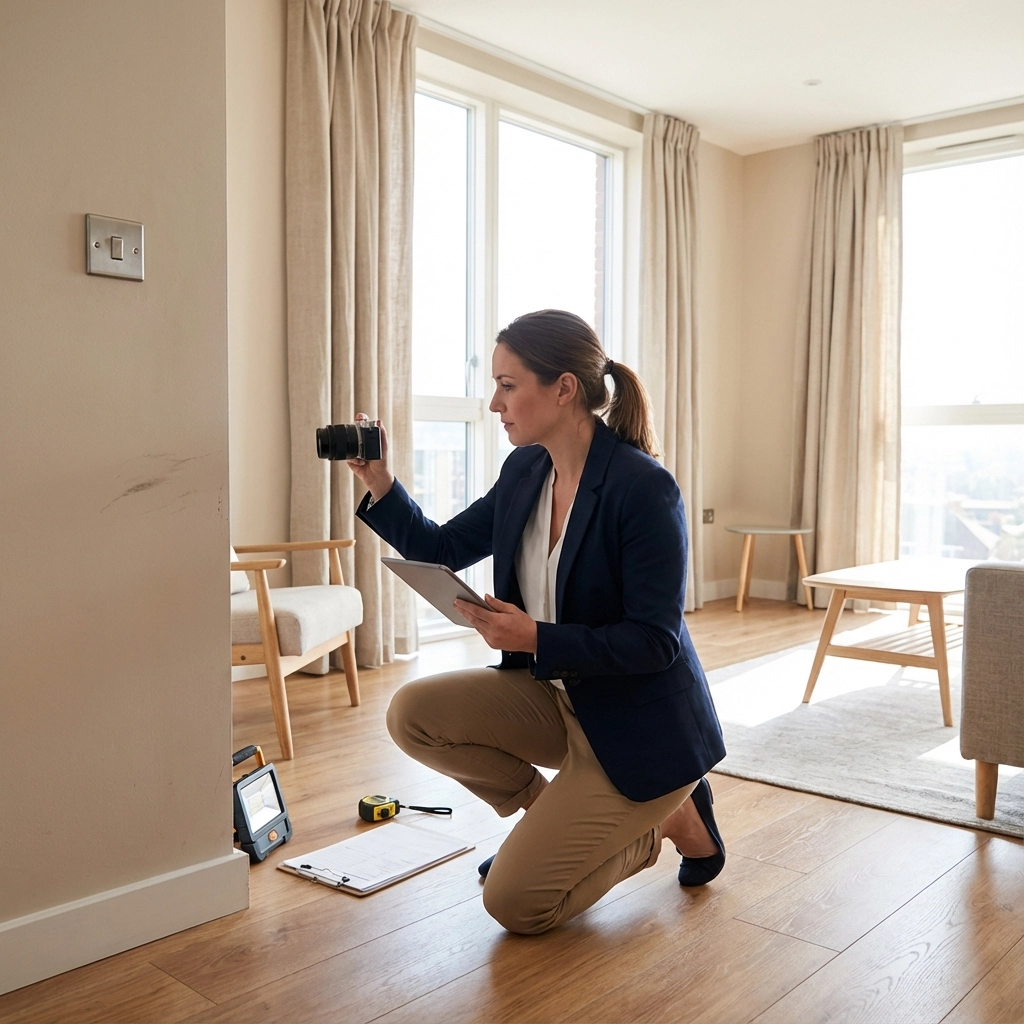
Without a detailed property check in report, you're left arguing subjectively about what constitutes reasonable wear. Was that carpet stain there originally? How extensive was the existing paint fade? These questions become impossible to answer definitively months after a tenancy begins, which is why creating a comprehensive baseline record is essential for protecting your interests.
The Legal Framework Supporting Documentation
Recent regulatory changes have strengthened the importance of thorough property documentation. The Renters' Rights Act 2026 places additional emphasis on transparent record-keeping, whilst Awaab's Law mandates more rigorous condition monitoring. These legal developments make professional inventory services not just advisable but increasingly necessary for compliance.
Deposit protection schemes consistently favour landlords who present clear, contemporaneous evidence over those relying on memory or incomplete records. Adjudicators require proof of initial conditions to validate any deduction claims, making your property check in report the cornerstone of successful deposit retention.
Consider the legal precedent: without documented evidence showing a property's move-in condition, you cannot demonstrate that any end-of-tenancy damage was tenant-caused rather than pre-existing. This burden of proof sits squarely on landlords' shoulders, making comprehensive documentation a legal necessity rather than administrative luxury.
Creating Comprehensive Check-In Documentation
Your property check in report should function as a forensic record of your property's condition at the tenancy start date. This means photographing every room from multiple angles, documenting existing wear patterns, and noting any pre-existing damage or maintenance issues. Professional property inventory services understand exactly what level of detail satisfies legal requirements whilst remaining practical for regular property management.
Focus on high-wear areas that commonly generate disputes: kitchen worktops, bathroom fixtures, carpet conditions, and wall surfaces near light switches. Document the condition of appliances, noting any existing scratches, dents, or operational quirks that might otherwise be attributed to tenant use later.

Include timestamp verification for all photographs and ensure they're taken in good lighting conditions that accurately represent colours and textures. Poor quality images that obscure details become worthless in dispute situations, so invest time in creating clear, comprehensive visual records that leave no room for interpretation.
Essential Elements of Professional Inventory Reports
A thorough property check in report extends beyond simple photography to include detailed written descriptions, measurements, and condition assessments. Professional inventory clerks document everything from paint colours and carpet pile direction to appliance model numbers and existing maintenance requirements.
Record the cleanliness standards at move-in, noting any areas requiring attention or professional cleaning. This baseline prevents arguments about cleaning deposit deductions and ensures tenants understand expected return conditions. Document any odours, staining, or wear patterns that might otherwise be attributed to tenant lifestyle choices.
Include external areas, gardens, and any included furnishings or appliances. Note the working condition of all electrical items, plumbing fixtures, and heating systems. This comprehensive approach prevents tenants from claiming pre-existing faults when reporting maintenance issues during their tenancy.
Common Documentation Mistakes That Cost Money
Many landlords create inadequate records that fail when tested in deposit disputes. Generic property descriptions without specific details provide insufficient evidence for adjudicators. Phrases like "good condition" or "some wear visible" lack the precision needed to distinguish between acceptable and excessive deterioration.
Timing mistakes also prove costly. Conducting check-ins weeks before or after tenancy start dates undermines the report's credibility and creates gaps where undocumented changes might occur. Professional property inventory services ensure precise timing that aligns with tenancy agreements and legal requirements.

Incomplete coverage represents another expensive error. Focusing solely on obvious high-value items whilst ignoring fixtures, fittings, and decorative condition leaves significant gaps in your evidence base. Comprehensive reports cover every aspect of the property that might reasonably change during a tenancy.
Real-World Applications and Success Stories
Consider a recent case where professional documentation saved a landlord £1,200 in disputed carpet replacement costs. The property check in report clearly showed existing staining and wear patterns that the tenant later claimed were caused by normal use. Without this baseline evidence, the landlord would have faced an automatic adjudicator decision against them.
Another example involved kitchen worktop damage where tenants claimed heat marks were pre-existing. Detailed photographs showing pristine surfaces at move-in enabled successful deduction of professional repair costs. These victories depend entirely on having comprehensive, professional documentation that eliminates ambiguity.
Property managers using thorough inventory services report significantly reduced deposit disputes and faster resolution when conflicts do arise. Clear evidence removes emotion from disagreements and focuses discussions on factual comparisons between documented conditions.
Best Practices for Long-Term Protection
Schedule regular interim inspections to document any changes during tenancies, ensuring your records remain current and comprehensive. This proactive approach identifies maintenance requirements early whilst creating an ongoing evidence trail that supports end-of-tenancy assessments.
Maintain consistent documentation standards across all properties to ensure reliable legal protection. Using professional property inventory services guarantees this consistency whilst providing expert knowledge about legal requirements and adjudicator expectations.

Store all documentation securely with multiple backup copies and ensure easy access when needed. Digital storage with cloud backup provides the reliability and immediate availability required for dispute resolution timelines.
Technology and Modern Inventory Practices
Modern inventory practices leverage technology to enhance accuracy and legal compliance. Professional services use calibrated cameras, standardised reporting templates, and timestamp verification to create legally robust documentation that exceeds traditional checklist approaches.
Digital integration ensures seamless communication between landlords, tenants, and property managers whilst maintaining comprehensive audit trails. These technological advantages provide superior protection compared to traditional paper-based systems that often lack the detail and verification needed for successful dispute resolution.
Cloud-based storage and instant access capabilities ensure your documentation remains available whenever needed, supporting quick response times for deposit scheme disputes and maintenance requirement verification.
Building Stronger Landlord-Tenant Relationships
Transparent documentation actually improves relationships with tenants by removing uncertainty about expectations and responsibilities. When both parties understand the property's initial condition clearly, disputes become less likely and resolution becomes more straightforward.
Professional property check in reports demonstrate your commitment to fair treatment whilst protecting your legitimate interests. This balanced approach builds trust and encourages responsible tenancy behaviour, ultimately reducing turnover costs and void periods.
Comprehensive documentation at the start of tenancies signals professionalism and attention to detail that quality tenants appreciate. This positive first impression often translates into better property care and longer tenancy durations.
Your property check in report serves as your primary defence against unfair deposit claims whilst ensuring compliance with evolving rental legislation. Professional property inventory services provide the expertise and attention to detail necessary for creating legally robust documentation that protects your investment and maintains positive tenant relationships. In today's regulatory environment, comprehensive property documentation isn't optional – it's essential for successful property management.
Join The Discussion